
 Русский
  English
  Français
  Español
  Deutsch
  Português
  العربية
  Italiano
In 2026, hematology analyzer price is no longer just a number on a quotation—it is a strategic lever that decides which distributors win long‑term service contracts and recurring test volume. Global demand for CBC and hematology testing continues to grow across primary care, chronic disease management, aging populations, and even fast‑growing veterinary segments. At the same time, buyers are under pressure to do more with less, which makes value‑based equipment decisions more important than ever.
While traditional 3‑part and 5‑part analyzers still account for a large installed base, this part of the market is becoming saturated and increasingly commoditized. Many hospitals can now compare hematology analyzer price across multiple “me‑too” devices with similar parameters, putting downward pressure on margins. In contrast, AI‑powered morphology systems and all‑in‑one Minilab or POC platforms are growing rapidly and reshaping expectations around what a hematology analyzer should deliver.
Distributors stand at the center of this shift but face three common challenges. First, there are too many models, parameter sets, and technical buzzwords for end users to fully understand, which makes it harder to differentiate offers. Second, pricing and profit margins are often opaque: discount structures, reagent contracts, and service costs can make a “cheap” analyzer expensive over its lifecycle. Third, many distributors are unsure whether to keep investing in traditional big brands, or to partner with new AI‑powered manufacturers whose technologies are still new to many labs.
If you continue to push only legacy products and purely price‑powered offers, you risk being locked into low‑margin competition. If you restructure your portfolio around clear technology tiers and value propositions now, you can use hematology analyzer price strategically—to open doors with entry‑level systems, and to defend premium pricing with AI and all‑in‑one solutions.
Technology Segments at a Glance: 4 Types of Hematology Analyzers You Must Understand
To make hematology analyzer price decisions that actually support your business, you need to understand how technology segments map to use cases, expectations, and willingness to pay. In practice, the market clusters into four main types.
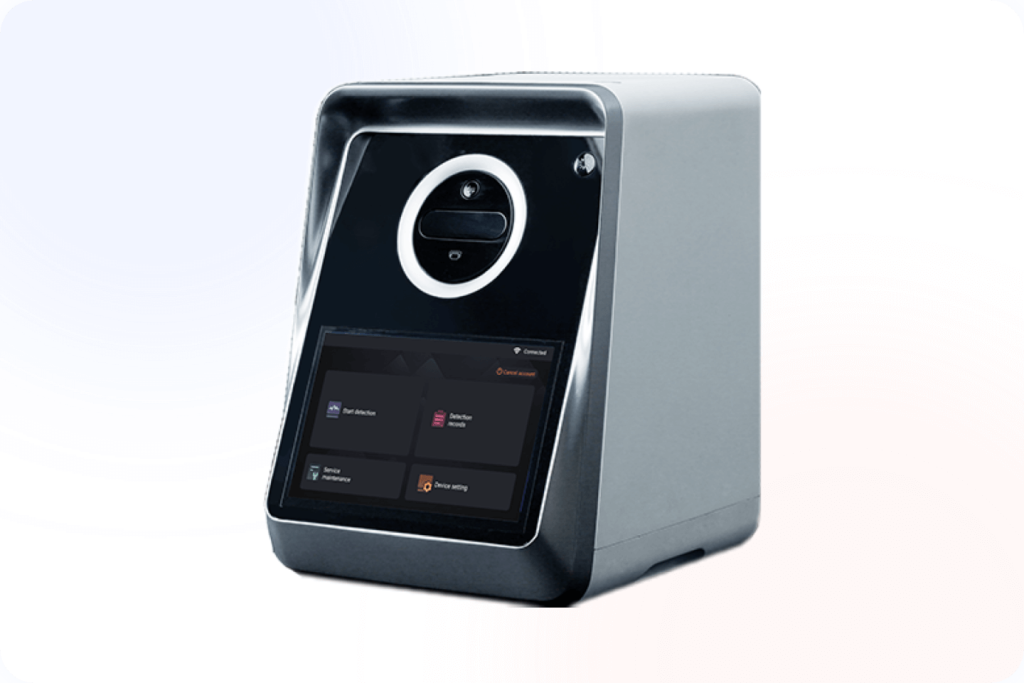
- Technology: 3‑part WBC differential using the impedance method, with a basic CBC parameter set.
- Typical customers: Primary care clinics, small local labs, community health centers, and highly price‑sensitive markets.
- Key features: Low capital cost, fewer parameters, relatively simple maintenance and workflow, but limited upgrade potential and lower clinical sophistication.
For this segment, hematology analyzer price is the primary decision factor. Buyers want a reliable CBC result at the lowest possible acquisition and per‑test cost. Distributors use these models as volume drivers and as a way to enter new accounts, but margins can be thin.
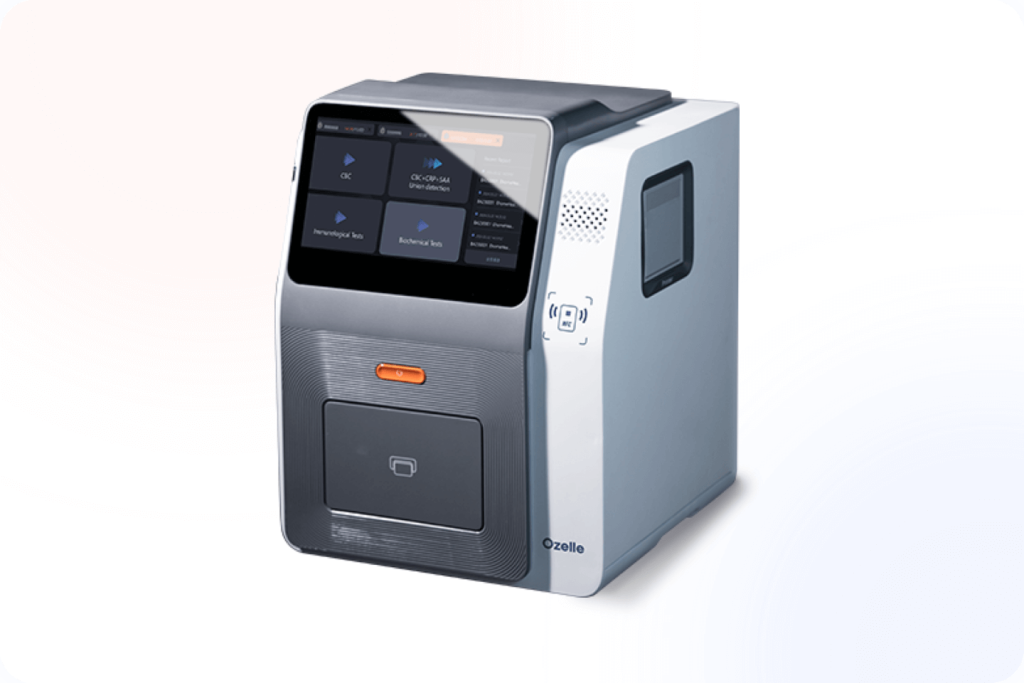
- Technology: 5‑part WBC differential with impedance plus optical or flow‑based methods, offering more detailed leukocyte classification.
- Typical customers: County‑ or city‑level hospital labs, private hospitals, and larger outpatient centers.
- Key features: The mainstream standard configuration, balancing deeper clinical information with manageable cost. This segment often becomes the distributor’s core “workhorse” line.
In this tier, hematology analyzer price must be justified by clear clinical advantage and workflow benefits. Buyers compare multiple brands side by side, but they are willing to pay more than entry‑level if they see tangible improvements in reporting, throughput, and connectivity.
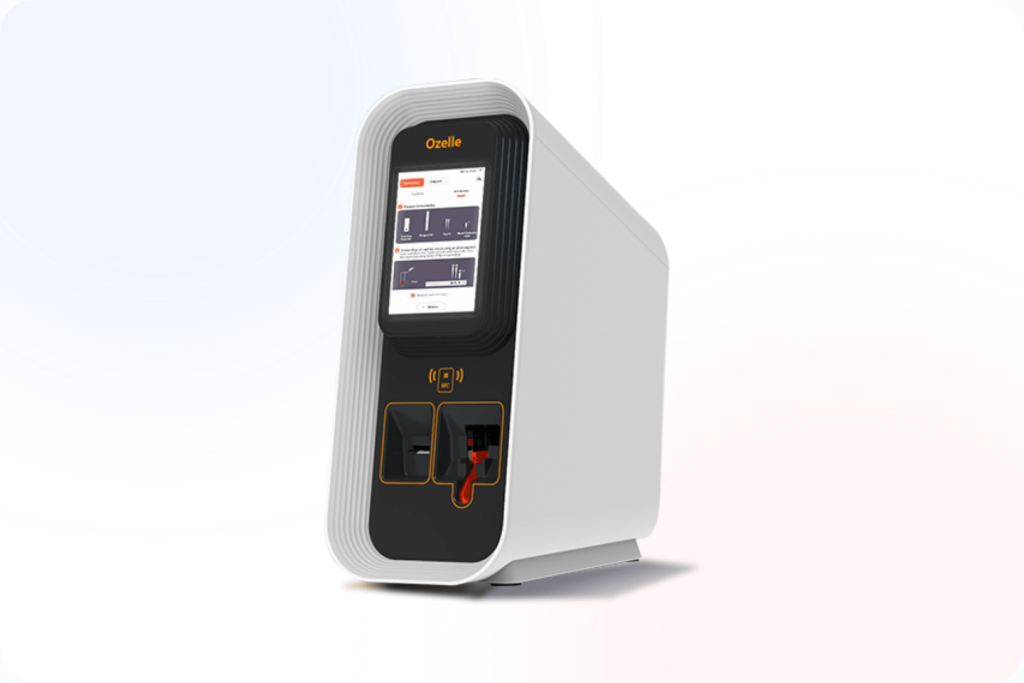
- Technology: 7‑part or higher WBC differential, often including extended parameters such as RET and NRBC. These are typically large platforms from established global manufacturers (for example, Sysmex, Beckman, Abbott, Siemens, and similar).
- Typical customers: Tertiary care hospitals, academic centers, and reference laboratories.
- Key features: Large project value, extended validation and evaluation cycles, strong competition, and a significant brand premium built on clinical evidence and service networks.
Here, hematology analyzer price sits at the top of the spectrum, but decisions are rarely about price alone. Purchasing committees consider total lab workflow, integration into automation lines, IT infrastructure, and long‑term reagent partnerships.
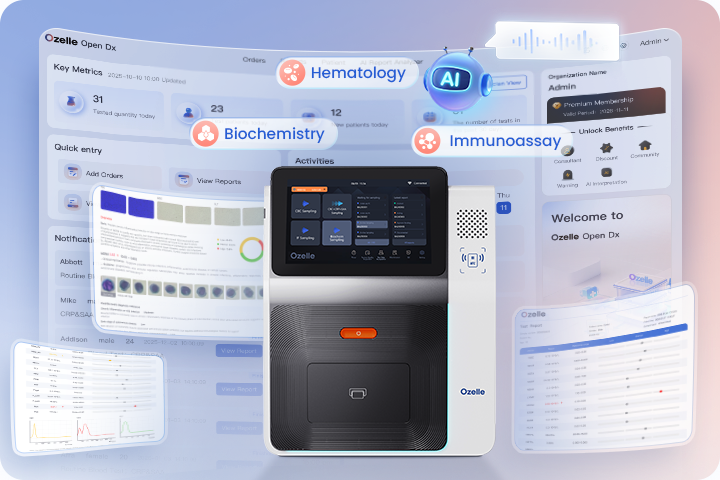
- Technology bundle:
- AI cell morphology with automated detection and classification of abnormal cells such as NST, NSG, NSH, and RET.
- CBC combined with immunoassay (for inflammation markers, cardiac markers, hormones, and more), dry chemistry image analysis. Ozelle’s EHBT‑50 Minilab is a typical example of this type of platform, integrating AI‑powered blood morphology with multi‑panel testing in one device, supported by a digital ecosystem available through the official website at https://ozellemed.com/en/.
- Typical customers: Primary and secondary hospitals, health check‑up centers, independent labs, mobile clinics, and emergency departments or ICUs that need rapid, multi‑parameter diagnostics.
- Key features: One device can replace multiple instruments, saving on capital investment, floor space, and maintenance; distributors can position these platforms as turnkey solutions rather than single analyzers.
For this segment, hematology analyzer price is framed as “price of a complete diagnostic node”, not just a blood counter. That makes it easier to defend a higher ticket while still delivering superior value on a per‑test and per‑function basis.
Price Range Overview: Where Each Segment Sits on the Ladder
Once the technological segments are clear, the next step is to understand how hematology analyzer price typically scales from entry‑level to AI all‑in‑one systems. Exact numbers vary by country, brand, and tender conditions, but common global price bands look roughly like this:
| Segment | Typical Configuration | Global Mainstream Price Band (USD) | Common Price Band in Emerging Markets |
| Entry‑Level 3‑Part CBC | 3‑part WBC, basic CBC parameters | 15,000–30,000 | ~2,500–6,500 USD equivalent |
| Mid‑Range 5‑Part CBC | 5‑part WBC, medium throughput | 30,000–80,000 | ~5,500–15,000 USD |
| High‑End 7‑Part / High‑Param | 7‑part WBC, extended parameters | 80,000–150,000+ | Highly variable by brand/configuration |
| AI + All‑in‑One Minilab | 7‑diff CBC + immunoassay + biochemistry + urine/feces | Around 35,000–65,000 | Depends on feature set and brand |
Two points are essential for distributors when discussing hematology analyzer price with customers:
- Same “5‑part” label, very different value and cost A 5‑part analyzer from a domestic or regional brand may sit at the lower edge of the mid‑range price band. A 5‑part system from a Japanese, US, or European brand with extensive validation, regulatory approvals, and a robust service network can be several times more expensive. The gap reflects brand premium, the cost of quality systems and regulatory compliance, and the scale of after‑sales support.
- Always frame price in terms of TCO and cost per test For serious buyers, hematology analyzer price has to be evaluated over the lifespan of the device. This includes reagents, consumables, calibration, maintenance, downtime, and integration into existing workflows. When you shift the conversation from “How much is the machine?” to “What is the total cost per reportable test over five years?”, you reposition yourself as a solutions partner rather than just a seller of hardware.
From a Distributor’s Perspective: How to Sell Each Segment and to Whom
Knowing the technology and price ladder is not enough. The real advantage comes from aligning each hematology analyzer price tier with the right positioning, messages, and sales tactics.
3‑Part Hematology Analyzer: Volume Driver and Entry Point
- Positioning: An entry‑level or replacement solution for older devices.
- Core message: Lower purchase cost, easier maintenance, quick to deploy, and enough for basic CBC needs. Frame it as a safe upgrade path for clinics that currently send samples out or rely on outdated counters.
- Risk: If you compete only on hematology analyzer price in this tier, you end up in pure price wars with minimal margin. Upsell potential is limited because many buyers in this segment have narrow budgets and simple requirements.
Use 3‑part systems to open new accounts, then plan for future upsell to 5‑part or AI‑based platforms as the customer’s service scope expands.
5‑Part Hematology Analyzer: The Traditional Core Cash Cow
- Positioning: The balanced, mainstream solution for most hospital labs.
- Core message: Delivers more clinically meaningful differentiation of white cells, supports broader diagnostic pathways, and meets the expectations of accreditation bodies and clinicians.
- Bundling strategy: Combine the analyzer with long‑term reagent and control contracts, LIS integration, and staff training. This makes hematology analyzer price part of a broader service agreement and increases stickiness.
Here, distributors can still achieve solid margins if they articulate the added value of better parameters, improved workflow, and reliable service—rather than letting the conversation slip back to “Who is the cheapest 5‑part on the market?”
High‑End 7‑Part / High‑Parameter: Project‑Driven and Brand‑Led
- Positioning: Strategic platforms for large hospitals and reference labs that need extended parameters.
- Core message: Focus on clinical breadth, automation compatibility, and the ability to serve as the backbone of a hematology testing line. Brand reputation, scientific publications, and global installed base matter a lot in this conversation.
- Sales role: In this tier, a distributor is more of a project integrator—helping design pre‑analytics, select automation modules, integrate middleware, and set up quality control schemes.
Hematology analyzer price is high, but decision makers expect a full project value analysis. Supporting site visits, demo installations, and clinical validation can make the difference between winning and losing these deals.
AI + All‑in‑One Minilab: Building a Differentiated Offering
- Positioning: A next‑generation, AI‑enhanced diagnostic node that consolidates multiple testing disciplines into one compact platform.
- Typical selling points (using AI platforms such as Ozelle’s Minilab line as reference):
- A single device can cover CBC, immunoassay and biochemistry analysis, replacing two or three legacy instruments and reducing the number of vendors a lab must manage.
- Single‑use cartridges and maintenance‑free designs significantly cut downtime and reduce site visits from engineers.
- AI morphology reports enhance clinicians’ ability to flag abnormal samples, which improves clinical confidence and increases reliance on the platform.
- Sales approaches:
- For newly built or expanding small labs, package the system as a complete “all‑in‑one mini‑lab”, including installation, initial reagent stock, and workflow training.
- For resource‑constrained private hospitals, frame the hematology analyzer price around a three‑pillar value proposition: save on CAPEX (fewer machines to buy), save on maintenance (simplified service model), and upgrade institutional image (modern AI‑powered diagnostics that patients and clinicians notice).
Because the offer is clearly differentiated, distributors can justify a stronger margin on AI + all‑in‑one systems than on traditional standalone analyzers.
How to Select Products: Traditional Giants vs. New‑Generation AI Players
To explain why this guide does not focus only on one brand, you can present a simple product‑selection framework based on three groups.
Traditional Giants
Examples: Sysmex, Beckman, Abbott, Siemens Horiba, and similar.
- Strengths: Strong brand recognition, complete product portfolios, extensive guideline and literature support, and large service networks.
- Best use cases: Target large hospitals, build automation lines, and participate in national or regional tenders where references and brand weight matter as much as hematology analyzer price.
Value‑Oriented Segment
Examples: Many domestic or regional manufacturers positioned on cost‑effectiveness.
- Strengths: Lower device prices and lower cost per parameter, ideal for replacement and upgrade projects in price‑sensitive markets.
- Best use cases: Community and secondary hospitals, smaller private facilities, and tenders where budget ceilings are strict.
AI Morphology + Multi‑Functional All‑in‑One Segment
Representative approach: Companies like Ozelle that combine AI morphology with multi‑functional Minilab capabilities and digital connectivity, as described on their official site at https://ozellemed.com/en/.
- Positioning: Represents the next‑generation route for CBC morphology and POC all‑in‑one solutions, rather than just a marginal improvement over standard 3‑ or 5‑part systems.
- Value for distributors:
- Provides a way to escape pure price competition by offering clear technological differentiation and solution‑level value.
- Allows you to build an entire “primary care digital diagnostics” line around a single core device, integrating point‑of‑care testing with remote consultation or cloud‑based reporting.
By combining products from all three groups, you can tailor hematology analyzer price points and value stories to different customer segments without diluting your brand promise.
Practical Example: A Recommended Product Portfolio for Distributors
To turn all of this into action, consider structuring your portfolio into three lines and populating each with specific models.
Basic Line (Price‑Sensitive)
- 1–2 entry‑level 3‑part CBC analyzers from domestic or regional brands.
- 1–2 cost‑effective 5‑part analyzers positioned as upgrades for growing labs.
Role: Drive volume, open new accounts, and protect your presence in highly competitive, price‑powered segments. Hematology analyzer price is used here as a tactical tool to gain market access.
Flagship Line (Brand and Project‑Oriented)
- One high‑end 5‑part or 7‑part platform line from a global brand (for example, an XN‑class or DxH‑class system).
Role: Build your reputation as a serious partner for tertiary hospitals and reference labs, and give you a credible offer for large tenders and automation projects.
Innovation Line (Differentiation and High Margin)
- 1–2 AI morphology + multi‑functional Minilab systems, similar in concept to Ozelle’s EHBT‑50 or EHBT‑75.
- 1-2 multi‑functional veterinary analyzer, such as the analyzers EHVT‑50 and EHVT-75, to extend your reach into animal hospitals and veterinary diagnostic centers.
Role: Deliver higher margins and strong differentiation, enabling you to position hematology analyzer price as part of a broader story about AI, digital diagnostics, and all‑in‑one efficiency.
Across these lines, emphasize that:
- The basic line drives installed base and short‑term volume.
- The flagship line supports brand building and large project access.
- The innovation line underpins profit growth and strategic differentiation.
You can then adjust the relative weight of each line based on local hospital tiers, reimbursement rules, and your own service capabilities.
Conclusion: New Opportunities in Hematology Analyzer Price Strategy
The era when “the cheapest device wins” is slowly disappearing in hematology. AI‑powered morphology, multi‑functional Minilab platforms, and mobile CBC/POC systems are changing how laboratories and clinics evaluate both technology and value. As a distributor, your core competitive advantage is shifting from buying low and reselling hardware, to designing integrated solutions and delivering long‑term service.
If you want hematology analyzer price to work for you instead of against you, now is the time to:
- Add at least one or two truly innovative AI or all‑in‑one platforms to your product matrix.
- Train your sales team to talk about total cost of ownership, cost per test, workflow, and clinical impact—not just model numbers and list prices.
Which of the four segments do you feel you understand least right now—entry‑level 3‑part, mid‑range 5‑part, high‑end 7‑part platforms, or AI all‑in‑one Minilabs—and would you like to dig deeper into that one next?