
 Русский
  English
  Français
  Español
  Deutsch
  Português
  العربية
  Italiano
Точный анализ крови составляет основу современной диагностики, позволяя медицинским работникам выявлять инфекции, лечить хронические заболевания и принимать важнейшие клинические решения. Однако перед руководителями лабораторий, занимающихся закупкой оборудования, встает одна серьезная задача: разобраться в ценах на аппараты CBC, не запутавшись в спецификациях, скрытых расходах и агрессивном маркетинге поставщиков.
Анализаторы полного анализа крови (CBC) Автоматизируют трудоемкий процесс анализа клеток крови, превращая то, что раньше требовало участия квалифицированных патологоанатомов и многочасовой микроскопии, в стандартизированный и быстрый диагностический процесс. Однако аппараты для анализа крови резко различаются по сложности и стоимости - от компактных систем начального уровня, предназначенных для небольших клиник, до передовых высокопроизводительных платформ, обслуживающих огромные сети больниц. Разница в цене не является произвольной, она отражает фундаментальные различия в уровне автоматизации, диагностических возможностях, пропускной способности и общей стоимости владения.
Это практическое руководство разъясняет цены на анализаторы CBC для лабораторий любого размера. Вместо того чтобы просто перечислять ценники, этот ресурс рассматривает критический вопрос, с которым сталкивается каждый руководитель лаборатории: Во что вы на самом деле вкладываете деньги и какая система обеспечивает наилучшее соотношение цены и качества для конкретного объема и сложности анализа в вашей лаборатории? Понимание сегментации рынка, ключевых ценообразующих факторов, сравнения брендов и рамок выбора позволит вам принимать разумные с точки зрения бюджета решения, которые оптимизируют как первоначальные капитальные затраты, так и долгосрочную операционную эффективность.
Понимание ценообразования на машины CBC: Рыночный ландшафт
Во что вы инвестируете
Анализатор полного подсчета крови (CBC) - это нечто большее, чем просто счетчик клеток. Современные системы автоматизируют подготовку образцов крови, окрашивание, визуализацию, анализ и выдачу результатов - процесс, который исторически требовал использования нескольких приборов, высококвалифицированного технического персонала и 30 с лишним минут на образец. Сегодняшние передовые анализаторы позволяют получить исчерпывающие результаты за считанные минуты и при этом избавляют от многих традиционных забот по обслуживанию.
Почему цены так сильно различаются, зависит от четырех важнейших факторов: уровня автоматизации (от полуавтоматического до полностью автономного), производительности диагностики (обработка 10 образцов в час против 200 с лишним образцов в час), глубины параметров (определяет ли система только основные типы лейкоцитов или продвинутые незрелые клетки и морфологические аномалии) и возможностей интеграции (совместимость с лабораторными информационными системами, многофункциональными модулями тестирования и облачными платформами).
Контекст глобального рынка
Рынок гематологических анализаторов отражает эту ценовую динамику на макроскопическом уровне. В 2025 году объем рынка составил 5,31 миллиарда долларов США, а к 2032 году, по прогнозам, достигнет 8,82 миллиарда долларов США, что соответствует среднегодовому темпу роста (CAGR) 7,5%. Такое активное развитие отражает приоритетное внимание систем здравоохранения во всем мире к автоматизации диагностики, вызванное ростом заболеваемости (только анемией страдают более 1,2 миллиарда человек), старением населения и растущим спросом на экспресс-диагностику в децентрализованных медицинских учреждениях.
Региональные различия в ценах говорят о многом. На индийском рынке, характерном для многих стран с развивающейся экономикой, стоимость аппаратов для компьютерной томографии варьируется от ₹229 000 до ₹870 000 (примерно $2 750-$10 450 долларов США), что отражает сегмент рынка начального и среднего уровня. В отличие от этого, цены на передовые системы в Северной Америке достигают $80 000-$150 000+ из-за сложности регулирования, позиционирования премиальных брендов и распространенности диагностических центров с высокой интенсивностью работы. Такой географический арбитраж открывает новые возможности: учреждения на чувствительных к затратам рынках могут получить доступ к сложной диагностике по ценам, которые значительно улучшают доступ к качественной медицинской помощи.
Разбивка по ценовым уровням
Рынок анализаторов CBC четко разделяется на три отдельные категории, каждая из которых предназначена для различных типов объектов и экономических реалий:
Системы начального уровня (3-компонентный дифференциальный анализ): Эти компактные анализаторы, предназначенные для клиник, семейной медицины и центров первичной медико-санитарной помощи, позволяют проводить основной скрининг полного анализа крови с базовой дифференциацией лейкоцитов (нейтрофилы, лимфоциты, моноциты). Аппараты начального уровня обычно обрабатывают 10-15 образцов в час, требуют минимального обучения персонала и занимают компактные размеры, идеально подходящие для помещений с ограниченным пространством. Диапазон цен: $15,000-$30,000 USD (или ₹230,000-₹470,000). Идеально подходит для предприятий с ограниченными объемами и простыми потребностями в тестировании.
Системы среднего диапазона (дифференциальный анализ из 5 частей): Эти платформы, предназначенные для региональных больниц, диагностических центров и специализированных клиник, предлагают подробное профилирование лейкоцитов (добавление эозинофилов и базофилов к основному трехкомпонентному подсчету), более высокую степень автоматизации и умеренную производительность (20-70 образцов/час). Анализаторы среднего класса часто интегрируют модули иммуноанализа или базовой биохимии, объединяя отдельные лабораторные приборы в единые платформы. Диапазон цен: $30,000-$80,000 ДОЛЛАРОВ США. Наиболее экономически эффективны для предприятий, обрабатывающих 50-200 образцов в день.
Системы премиум-класса (большой объем/продвинутый дифференциальный анализ): Эти сложные платформы, ориентированные на крупные третичные больницы и референс-лаборатории, обеспечивают максимальную производительность (100+ образцов в час), расширенные параметры, включая количество незрелых клеток (палочки/полоски нейтрофилов), ретикулоцитов и ядросодержащих эритроцитов, а также широкую автоматическую интеграцию с информационными системами больниц. В системах премиум-класса часто используются передовые технологии - морфологический анализ с использованием ИИ, проточная цитометрия или визуализация высокого разрешения - для выявления тонких патологических маркеров, пропущенных при традиционном подсчете на основе импеданса. Диапазон цен: $80,000-$150,000+ ДОЛЛАРОВ США. Необходим для крупносерийных учреждений, где глубина диагностики и быстрота выполнения напрямую влияют на клинические результаты.
Основные драйверы цен
Понимание того, что на самом деле определяет стоимость CBC-машины, позволяет менеджерам вести стратегические переговоры и не переплачивать за ненужные функции:
Пропускная способность (образцы в час): Самый прямой фактор стоимости. Система, обрабатывающая 200 образцов в час, стоит в 3-5 раз дороже устройства начального уровня с производительностью 10 образцов в час, поскольку она заменяет рабочую силу, консолидирует пространство и позволяет эффективно работать диагностическим центрам с высокой интенсивностью. Для учреждения, обрабатывающего всего 50 образцов в день, повышенная пропускная способность представляет собой напрасную трату капитала.
Дифференциальные возможности (3 части против 5 частей против 7 частей+): Каждый дополнительный уровень классификации клеток увеличивает оптическую точность, вычислительные алгоритмы и сложность реагентов. Дифференциальный анализ, состоящий из трех частей, стоит значительно меньше, чем системы, определяющие 7+ незрелых и морфологических вариантов клеток, но это оправдано только в том случае, если в вашей клинической практике требуется расширенная дифференциация (например, в онкологии, гематопатологии, центрах инфекционных заболеваний).
Уровень автоматизации и простота использования: Полностью автоматизированные механические манипуляторы, интегрированная система обработки образцов, управление одним нажатием кнопки и интерпретация результатов с помощью искусственного интеллекта - все это требует высокой цены, поскольку снижает зависимость от трудозатрат, минимизирует расходы на обучение и повышает надежность. И наоборот, полуавтоматические системы требуют вмешательства техника, но стоят дешевле.
Репутация бренда и гарантийная поддержка: Известные производители (Sysmex, Beckman Coulter) устанавливают высокие цены благодаря узнаваемости бренда, глобальным сервисным сетям, обширной клинической проверке и воспринимаемой надежности. Новые конкуренты могут снижать цены, обеспечивая при этом сопоставимую точность, что является критически важным моментом дифференциации для лабораторий, заботящихся о своих расходах.
Общая стоимость владения (TCO): Наиболее часто упускаемый из виду фактор ценообразования. Оборудование стоимостью $50 000, требующее больших ежемесячных затрат на обслуживание, дорогие картриджи с реагентами и короткий срок хранения реагентов, может стоить на 40-60% дороже, чем системы, разработанные с учетом низкого бремени обслуживания. Дальновидные лаборатории ведут переговоры, основываясь на стоимости всего срока службы, а не только на цене оборудования.
Лучшие бренды машин CBC и сравнение цен
Sysmex: Превосходная производительность для крупносерийных лабораторий
Положение на рынке: Корпорация Sysmex, штаб-квартира которой находится в Японии, занимает непревзойденное доминирующее положение на рынке гематологической диагностики премиум-класса. Широкий ассортимент продукции компании, передовые технологические платформы и глобальная дистрибьюторская сеть позволили Sysmex стать отраслевым стандартом для крупных больниц и исследовательских центров.
Основные модели и спецификации:
| Модель | Пропускная способность | Дифференциальный | Размер выборки | Лучшее для |
| XN-2000 | 200 образцов/час | 6-7 часть + расширенные параметры (всего 44) | 5-100 мкл | Ультра-премиум; крупнейшие больницы, референс-лаборатории, исследовательские центры |
| XN-550 | 60-70 образцов/час | Дифференциал из 6 частей | 25-70 мкл | Средние и крупные региональные больницы, диагностические центры с высокой интенсивностью работы |
| XP-300/330 | 60 образцов/час | Дифференциал из трех частей | Разнообразные | Вторичное/резервное тестирование, небольшие объекты |
Диапазон цен: $80,000-$150,000+ (оценка на основе рыночного уровня и опубликованных данных о ценах).
Ключевые преимущества: Высочайшая точность диагностики за счет проточной цитометрии, обширный анализ параметров, обеспечивающий более глубокое клиническое понимание, глобальная сервисная сеть с быстрым реагированием, доказанная клиническая валидность за 40 с лишним лет присутствия на рынке, бесшовная интеграция с информационными системами больниц.
Лучше всего подходит для: Крупные больницы, референс-лаборатории, исследовательские центры и учреждения, где комплексность диагностики и надежность работы в режиме 24/7 не являются обязательными условиями.
Beckman Coulter: Надежность среднего и высшего класса
Положение на рынке: Beckman Coulter, входящая в состав корпорации Danaher, обеспечивает значительное присутствие на рынке в сегменте от среднего до премиум-класса благодаря серии гематологических анализаторов и интегрированных диагностических систем DxH. Компания известна своей технологией, основанной на импедансе, высокой пропускной способностью, обширной клинической валидацией и позиционированием на среднем рынке.
Основные модели и спецификации:
| Модель | Пропускная способность | Дифференциальный | Размер выборки | Лучшее для |
| DxH 900 | 100 образцов/час | Дифференциал из 5 частей + премиальная аналитика | Разнообразные | Крупные диагностические лаборатории, высокоинтенсивное тестирование |
| DxH 800 | Большой объем | Удобный интерфейс, надежный 5-компонентный анализ | Разнообразные | Лаборатории среднего размера, которым требуется баланс между производительностью и простотой использования |
| DxH 500 | 60 образцов/час | Компактный дифференциал из 5 частей | Разнообразные | Средние предприятия, диагностические центры |
Диапазон цен: $50,000-$120,000 (оценка на основе спецификаций и сравнительных данных рынка).
Ключевые преимущества: Баланс производительности, простоты использования и всесторонней аналитики; технология, основанная на импедансе, обеспечивает проверенную надежность; сильная клиническая валидация в многоцентровых исследованиях; региональное присутствие на развитых рынках; отличная стабильность цепочки поставок реагентов.
Лучше всего подходит для: Для крупных диагностических лабораторий и многотиражных лабораторий, где операционная эффективность, простота обучения и стабильная работа важны не меньше, чем глубина диагностики.
Ozelle: новая инновация в гематологии с использованием искусственного интеллекта
Положение на рынке: Компания Ozelle, поставщик услуг цифровой диагностики из Кремниевой долины, представляет самый быстрорастущий сегмент инновационных аппаратов для КС: морфологический анализ на основе искусственного интеллекта в сочетании с многофункциональной консолидацией тестов. Основанная в 2014 году, компания Ozelle работает на научно-исследовательской и производственной базе площадью более 8 700 м², имеет более 500 патентов на технологии, 50 000+ установленных аппаратов, обслуживающих более 40 миллионов пациентов по всему миру, и имеет сертификаты CE, FDA и CQC.
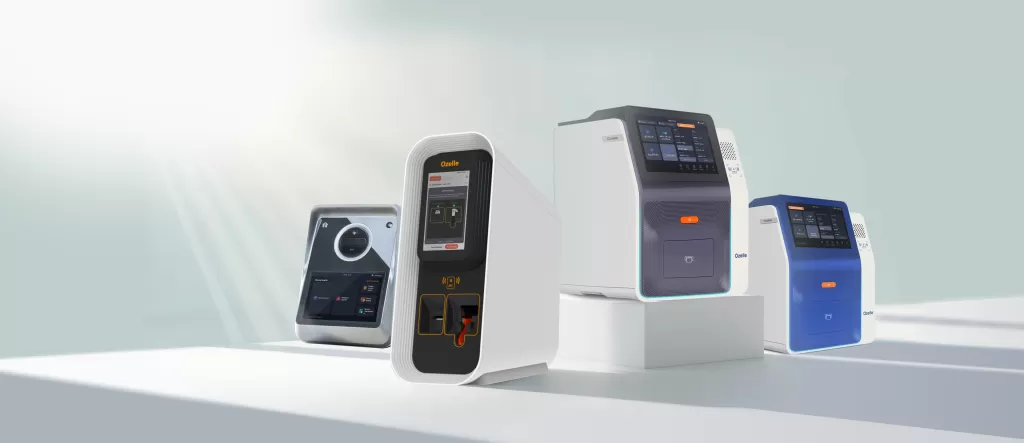
Основные модели и спецификации:
| Модель | Пропускная способность | Дифференциальный | Основные технологии | Лучшее для | Основные характеристики |
| EHBT-75 | 10 тестов/час | Дифференциальный анализ из 7 частей + расширенная морфология | AI + полная морфология крови (CBM) | Больничные лаборатории с высокой интенсивностью работы | Расширенная идентификация незрелых клеток (NST, NSG, NSH, RET, ALY, PAg); окрашивание на основе жидкости; результаты за 6 минут; 37+ параметров |
| EHBT-50 | 10 тестов/час | 7 частей дифференциала + многофункциональный | AI + CBM + Иммуноферментный анализ + Биохимия | Больницы среднего размера, диагностические центры | Все в одном: CBC + иммуноферментный анализ + сухая химия + моча/кал; 40+ параметров; необслуживаемая конструкция картриджа; хранение при комнатной температуре |
| EHBT-25 | 10 тестов/час | Дифференциал из трех частей | Компактный AI + CBM | Небольшие клиники, центры первичной медико-санитарной помощи, аптеки | Доступность на начальном уровне; портативность; возможность использования в точках оказания медицинской помощи; упрощенное управление |
| EHVT-50 | - | Дифференциал из 7 частей | ИИ + МД для ветеринарных образцов | Ветеринарные клиники, лаборатории диагностики животных | Специализированный для анализа крови животных; референсные диапазоны для конкретных видов |
Стратегия ценообразования (Карибский бассейн и развивающиеся рынки): Компания Ozelle использует конкурентоспособную многоуровневую ценовую политику, направленную на демократизацию доступа к передовой диагностике. Модели начального уровня EHBT-25 ориентированы на клиники и аптеки, их цена значительно ниже традиционных конкурентов, а EHBT-50 и EHBT-75 предлагают передовые системы с высокой пропускной способностью по среднерыночным ценам. Конкретные цены доступны через прямых дистрибьюторов.
Ключевые преимущества:
- Точность на основе искусственного интеллекта: Обученные на 40 с лишним миллионах реальных образцов пациентов, алгоритмы достигают точности 97%+ в классификации клеток, что соответствует экспертному анализу патологоанатома без ручной проверки
- Не требует обслуживания: Одноразовые картриджи исключают риск перекрестного заражения, сокращают количество обращений в сервисную службу и поддерживают хранение при комнатной температуре, что упрощает логистику холодных цепей
- Многофункциональная консолидация: EHBT-50 объединяет 3-5 отдельных приборов (CBC, иммуноферментный анализ, биохимия, анализ мочи), сокращая площадь лаборатории на 40-60% и упрощая рабочий процесс
- Прозрачная совокупная стоимость владения: Модель ценообразования Ozelle четко разделяет затраты на оборудование, реагенты и обслуживание, позволяя лабораториям прогнозировать истинные расходы на протяжении всего срока службы, а не сталкиваться со скрытыми сюрпризами при обслуживании.
- Быстрое глобальное масштабирование: 50 000+ установленных устройств демонстрируют возможность масштабирования в различных географических регионах и типах объектов.
Лучше всего подходит для: Клиники, диагностические центры и больницы среднего размера, стремящиеся к передовой диагностике на основе искусственного интеллекта, многофункциональной консолидации тестов и прозрачным долгосрочным прогнозам расходов. Особенно актуально для развивающихся рынков, где приоритетом является доступность без ущерба для глубины диагностики.
Выбор оборудования, соответствующего бюджету и потребностям вашей лаборатории
Выбор оптимального аппарата для CBC требует систематической оценки по пяти важнейшим параметрам. Вместо того чтобы выбирать, основываясь исключительно на цене оборудования, передовые лаборатории следуют структурированной системе оценки, которая учитывает объем операций, клиническую сложность, требования к интеграции, размер учреждения и надежность поставщика.

Шаг 1: Определите объем и сложность вашей лаборатории
Начните с честной количественной оценки вашей работы:
- Ежедневная пропускная способность: Посчитайте среднее количество ежедневных анализов CBC за репрезентативный месяц, а затем заложите буфер роста в 10%. Для клиники, обрабатывающей 30 образцов в день с резервным объемом 10%, необходима система с максимальной производительностью 35-40 образцов в час - как правило, для этого подходят платформы начального уровня. Региональная больница, обрабатывающая 300 образцов в день, нуждается в системах среднего или премиум-класса, способных обеспечить пиковую пропускную способность 100+ образцов в час.
- Требования к меню анализов и сложность диагностики: Проводят ли в вашем учреждении рутинный анализ крови (достаточно дифференциального анализа из 3 частей) или специализированную гематологию с определением незрелых клеток, подсчетом ретикулоцитов или выявлением морфологических аномалий (требуется дифференциальный анализ из 5 или 7 частей)? Онкологические центры, лаборатории гематопатологии и диагностики инфекционных заболеваний нуждаются в передовых системах; клиники первичной медицинской помощи редко прибегают к ним.
- Возможности персонала и необходимость обучения: Системами начального уровня с интуитивно понятным сенсорным интерфейсом могут управлять медсестры и неспециалисты-лаборанты с минимальной подготовкой. Высокотехнологичные системы со сложными протоколами контроля качества и интерпретацией параметров требуют опытных лаборантов. Соотносите сложность системы с имеющимся опытом.
Шаг 2: Рассчитайте общую стоимость владения (TCO)
Самая большая ошибка, которую совершают руководители лабораторий, - это изолированное сравнение цен на оборудование. Фактические эксплуатационные расходы включают в себя четыре аспекта:
| Категория затрат | Воздействие | Типичный процент от ТСО |
| Покупка или аренда оборудования | Первоначальный капитал или ежемесячные лизинговые платежи | 20-30% |
| Обслуживание и калибровка | Плановое профилактическое обслуживание, замена деталей, контроль качества | 15-25% |
| Реагенты и расходные материалы | Тестовые картриджи, калибровочные материалы, карты контроля качества, утилизация отходов | 40-60% (часто 60-70% от общего количества) |
| Соглашения об обслуживании и поддержка | Контракты на техническую поддержку, обслуживание по вызову, аварийный ремонт, обучение | 5-15% |
Важнейший момент: Стоимость реагентов и расходных материалов доминирует в долгосрочных расходах. Система с более низкой ценой оборудования, но дорогими ежемесячными расходами на картриджи будет стоить значительно дороже в течение 5-7 лет, чем система с более высокой ценой, рассчитанная на экономичные расходные материалы. Запрашивайте подробные цены на 5-летнее использование реагентов; не соглашайтесь на расплывчатые ответы типа "свяжитесь с нами, чтобы узнать цену".
Шаг 3: Оцените потребности в системной интеграции
Работа современной лаборатории зависит от бесперебойного потока данных:
- Совместимость с LIS и EMR: Интегрируется ли анализатор с вашей лабораторной информационной системой (LIS) и электронной медицинской картой (EMR)? Ручная транскрипция результатов приводит к ошибкам, замедляет создание отчетов и отнимает время технического персонала. Требуйте проверки совместимости, прежде чем принимать решение.
- Управление данными и емкость хранилища: Как система будет хранить и извлекать исторические данные? Облачные платформы обеспечивают доступность и аналитику в режиме реального времени; хранение данных на устройствах ограничивает исторические тенденции.
- Возможность подключения в режиме реального времени и функции отчетности: Можно ли автоматически передавать результаты на рабочие места врачей? Поддерживают ли информационные панели мониторинг контроля качества, анализ тенденций и показатели эффективности?
Шаг 4: Подберите тип машины в соответствии с размером помещения
Это критическое соответствие предотвращает как перерасход средств на ненужные функции, так и недорасход средств на возможности:
Крупные больницы (250+ ежедневных образцов):
- Рекомендуется: 7-дифференциальный морфологический анализатор Ozelle EHBT-75 для крупносерийной диагностики на основе искусственного интеллекта с 37+ параметрами; альтернативные варианты: Sysmex XN-1000/2000 или Beckman Coulter DxH 900 для систем премиум-класса на основе проточной цитометрии
- Обоснование: высокая производительность (минимум 100+ образцов в час), расширенные возможности дифференцирования, контроль качества с поддержкой ИИ и интеграция с ЛИС.
- Ожидаемый срок окупаемости инвестиций: 2-3 года за счет сокращения трудозатрат, ускорения оборота, улучшения результатов лечения пациентов и консолидации инструментов.
Лаборатории среднего размера (50-150 ежедневных образцов):
- Рекомендуется: Многофункциональная платформа Ozelle EHBT-50 с 7 диффузорами для сбалансированной пропускной способности, интеграции ИИ и объединения нескольких параметров; альтернативный вариант - Beckman Coulter DxH 500/800 для надежности на среднем рынке
- Обоснование: Производительность 10-70 образцов в час соответствует типичным объемам среднего рынка; многофункциональный дизайн (CBC + иммуноферментный анализ + биохимия) позволяет консолидировать отдельные приборы, сокращая пространство и упрощая обслуживание.
- Ожидаемая окупаемость инвестиций: Окупаемость за 3-4 года за счет операционной эффективности, многофункциональной консолидации и умеренных затрат на расходные материалы
Небольшие клиники и частные практики (20-50 образцов в день):
- Рекомендуется: 3-дифференциальный анализатор начального уровня Ozelle EHBT-25, отличающийся доступностью, простотой и компактностью; альтернативный вариант - Mindray BC-20 или аналогичные 3-компонентные системы
- Обоснование: Компактные размеры, минимальные требования к обучению, доступная цена и возможность использования в пунктах оказания медицинской помощи позволяют быстро получить результат без сложного обслуживания
- Ожидаемая окупаемость инвестиций: Окупаемость в течение 4-5 лет за счет ускорения процесса, позволяющего консультировать пациентов в тот же день.
Шаг 5: Приоритет надежности и поддержки поставщика
Цена оборудования ничего не значит, если система неожиданно выходит из строя или исчезает поддержка поставщика:
- Время отклика и доступность услуг: Запросите гарантии SLA (соглашение об уровне обслуживания). Поставщики премиум-класса обязуются отвечать на запросы в течение 4-8 часов; новые поставщики могут требовать 24-48 часов. В отделениях неотложной помощи эти часы имеют решающее значение.
- Обучение и поддержка при вводе в эксплуатацию: Обеспечит ли поставщик установку на месте, обучение персонала и проверку компетентности? Для систем высокого класса ожидается 2-5 дней поддержки на месте; для систем начального уровня может потребоваться удаленное обучение.
- Долгосрочная дорожная карта и обновления продукта: Активно ли производитель разрабатывает новые алгоритмы, нормативные функции и клинические модули? Например, платформа AI + CBM компании Ozelle поддерживает обновления по воздуху (OTA), добавляя новые параметры тестирования без замены оборудования.
- Прозрачные цены на обслуживание и ремонт: Наиболее надежные поставщики раскрывают все цены заранее. Ozelle открыто публикует общую стоимость владения; избегайте поставщиков, использующих расплывчатые структуры ценообразования, которые скрывают растущие расходы.
Общие ошибки и лучшие практики
Ошибки, которых следует избегать
Выбор исключительно на основе первоначальной стоимости без учета общей стоимости владения - самая распространенная и дорогостоящая ошибка. Машина стоимостью $20 000 с дорогими ежемесячными картриджами ($500+) за 7 лет обойдется дороже, чем система стоимостью $40 000 с эффективными и недорогими расходными материалами ($150 в месяц). Всегда рассчитывайте общие расходы за 5-7 лет.
Игнорирование возможностей интеграции с существующими лабораторными системами. Ручная транскрипция данных приводит к ошибкам, замедляет выдачу результатов и отнимает время лаборантов. Проверьте совместимость LIS/EMR/HIS перед приобретением.
Игнорирование надежности поставщика и возможностей постоянной поддержки. Сложная машина ничего не стоит, если обслуживание занимает несколько недель или запчасти недоступны в вашем регионе. Отдавайте предпочтение поставщикам с развитой местной сервисной сетью или международными гарантиями поддержки.
Покупка без поддержки валидации или надлежащего обучения. Ожидайте, что поставщик проведет параллельную валидацию, сравнивая результаты новой системы с результатами вашего текущего анализатора (для существующих объектов) или эталонной методики (для новых установок). Не принимайте результаты без документации.
Не планировать масштабируемость на будущее по мере роста объема лаборатории. Выбирайте системы с возможностью модернизации, а не только замены. Системы начального уровня, которые нельзя модернизировать, требуют дорогостоящих повторных закупок при увеличении объема.
Принятие скрытых расходов на обслуживание или географических арбитражных сборов. Некоторые поставщики предлагают низкие цены на оборудование, а затем взимают дополнительную плату за обслуживание, запчасти и расходные материалы - особенно на развивающихся рынках. Настаивайте на прозрачном, детализированном ценообразовании по всем категориям затрат.
Лучшие практики
Запросите котировки у 3-5 поставщиков с идентичными характеристиками (одинаковая пропускная способность, дифференцированные возможности, ожидаемый ежемесячный объем). Такое сравнение "яблоко к яблоку" выявит истинную разницу в стоимости, а не инфляцию характеристик, скрывающую цены.
Заключайте соглашения об обслуживании и обучении как часть пакета оборудования, а не как отдельное дополнение. Пакетные предложения часто снижают общую стоимость приобретения на 10-20% по сравнению с покупкой по отдельности.
Проверка соответствия требованиям CLIA и поддержка аккредитации. В Соединенных Штатах Америки сертификация в соответствии с поправками по улучшению клинических лабораторий (CLIA) не подлежит обсуждению. Убедитесь, что поставщик понимает требования аккредитации вашего учреждения (CLIA, CAP, NAACLS или международные эквиваленты).
По возможности запрашивайте демонстрацию продукта и пробные периоды. Многие поставщики предлагают 30-90-дневную пробную эксплуатацию, позволяющую проверить реальные условия до принятия обязательств. Используйте эту возможность, чтобы оценить простоту использования, качество результатов, нагрузку на обслуживание и отзывчивость поставщика.
Документируйте все сертификаты, историю технического обслуживания (для подержанного оборудования) и сервисные записи. Это обеспечит подотчетность и защитит ваше предприятие в случае возникновения споров в будущем.
Стремитесь к прозрачным моделям ценообразования, в которых все расходы раскрываются заранее. Явное информирование о TCO и модульная структура ценообразования Ozelle являются примером такой прозрачности, позволяя лабораториям точно прогнозировать расходы на протяжении всего срока службы, а не обнаруживать скрытые расходы спустя годы.
Заключение
Выбор оборудования для CBC - одно из самых ответственных решений, с которым сталкиваются руководители лабораторий и которое влечет за собой многомиллионные расходы в течение всего срока службы. Вместо того чтобы ориентироваться на узнаваемость бренда или самую низкую цену оборудования, необходимо провести систематическую оценку с учетом требований к объему, сложности диагностики, потребностей в интеграции, размера помещения и надежности поставщика, чтобы обеспечить оптимальную стоимость.
Современный рынок CBC-машин предлагает беспрецедентный выбор: системы начального уровня с искусственным интеллектом, обеспечивающие точность экспертного уровня по цене клиники, платформы среднего уровня, консолидирующие множество лабораторных функций в одном приборе, и высокопроизводительные системы премиум-класса, обслуживающие крупнейшие диагностические сети. Новые конкуренты, такие как Ozelle, демократизируют доступ к ранее дорогостоящим диагностическим возможностям, в то время как признанные производители, такие как Sysmex и Beckman Coulter, продолжают внедрять инновации в премиальных сегментах.
Передовые лаборатории подходят к закупкам стратегически: сравнивают 5-летнюю совокупную стоимость владения, а не цены на оборудование, проверяют интеграцию системы до принятия решения, сопоставляют возможности оборудования с реальным объемом работы и отдают предпочтение поставщикам, которые придерживаются прозрачных цен и надежной поддержки. Следуя этим принципам, вы будете уверенно инвестировать в системы CBC, которые уравновешивают доступность на начальном этапе и долгосрочную эффективность работы - в конечном итоге обеспечивая более быструю и точную диагностику для пациентов, находящихся в вашем учреждении.