
 Русский
  English
  Français
  Español
  Deutsch
  Português
  العربية
  Italiano
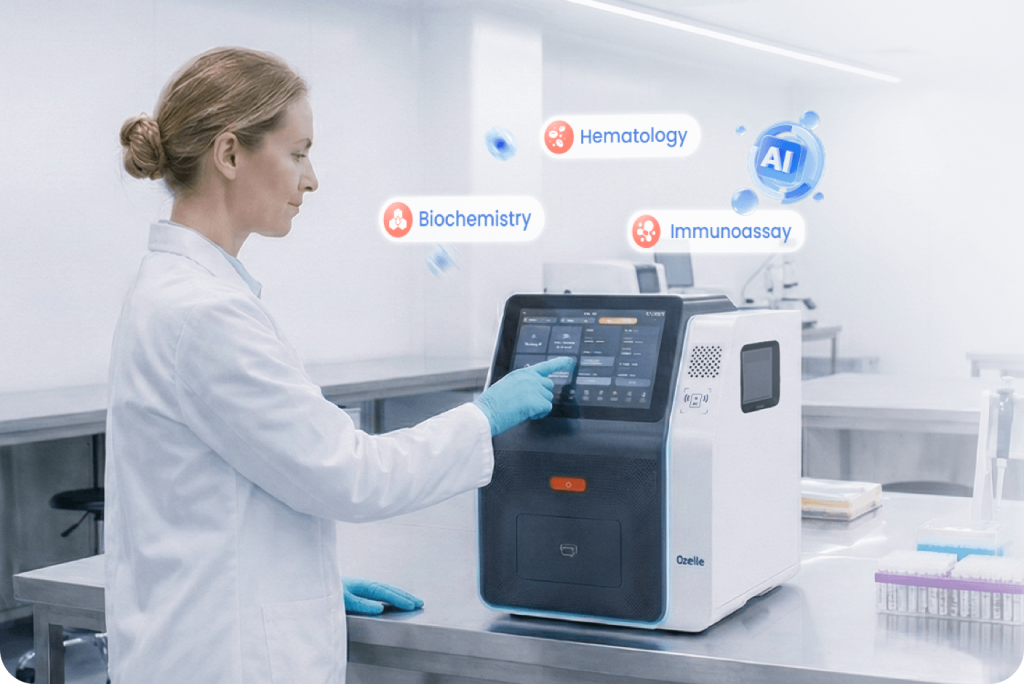
В районных педиатрических клиниках Европы и США анализ крови часто является самой эмоционально насыщенной частью визита. Больной ребенок уже может быть уставшим, раздраженным или напуганным, и вид иглы может быстро превратить рутинное обследование в борьбу для всех присутствующих в комнате. У родителей каждый укол вызывает вопросы: Насколько это будет больно? Придется ли нам идти в другое учреждение? Когда мы получим результаты? Для групп первичной медицинской помощи, работающих в условиях жесткого графика и соблюдения целевых показателей качества, каждый дополнительный шаг - бронирование места для флеботомии, печать бланков для внешней лаборатории, организация последующего приема - создает дополнительное операционное и финансовое давление.
Мини-лабораторный гематологический анализатор EHBT-50 от Ozelle разработан с учетом этих реалий. Компактный анализатор, работающий на базе искусственного интеллекта, который позволяет получить полный анализ крови, маркеры иммуноферментного анализа и ключевые параметры биохимии из небольшого капиллярного образца, привносит лабораторные знания непосредственно в кабинет педиатра. Сочетая в себе отбор проб из пальца, одноразовые наборы для тестирования и полностью автоматизированный анализ, гематологический анализатор EHBT-50 превращает анализ крови в более короткую, щадящую и эффективную часть ухода за ребенком, а не в причину для направления к врачу и задержки.
От взятия венозной крови к взятию проб из кончиков пальцев
Во многих системах здравоохранения Европы и США большинство детей получают первую медицинскую помощь в педиатрических или семейных клиниках, а не в амбулаторных отделениях больниц. Тем не менее, когда требуется кровь, стандартный путь часто все еще включает забор венозной крови, выполняемый либо в практике обученным персоналом, либо в сторонней флеботомической службе. Это может означать более длительный прием, привлечение дополнительного персонала, поездку в другое место или второй визит, если лаборатория не находится на месте.
Гематологический анализатор EHBT-50 построен на основе малообъемного капиллярного отбора проб. Примерно 30 микролитров из кончика пальца достаточно для 7-дифференциального полного анализа крови с расширенными морфологическими параметрами, и при клинических показаниях его можно сочетать с иммуноферментным анализом и биохимическими тестами. Кровь собирается непосредственно в герметичный одноразовый тест-набор, что позволяет избежать использования открытых пробирок, ручного пипетирования или общих контейнеров с реагентами. Для маленьких пациентов это означает короткий укол пальцем, а не более инвазивный забор венозной крови; для практиков это снижает зависимость от внешних флеботомических служб и помогает сохранить диагностику в рамках первичной медицинской помощи.
Поскольку капиллярные образцы можно быстро получить в смотровом кабинете или в соседней процедурной зоне, врачи могут интегрировать тестирование в обычный клинический процесс вместо того, чтобы планировать отдельные визиты в лабораторию. Это особенно актуально в системах, где семьям приходится преодолевать большие расстояния, чтобы добраться до больничных учреждений, или где пропущенные визиты в лабораторию могут привести к пробелам в диагностике и последующем наблюдении.
Рабочий процесс, соответствующий реальности первичной медицинской помощи

Европейские и американские педиатрические клиники работают в условиях жестких ограничений: короткое время приема, ограниченный технический персонал, строгие требования к инфекционному контролю и растущие обязательства по отчетности. Любая диагностическая технология, предназначенная для таких условий, должна быть не только точной, но и практичной и устойчивой в ежедневном использовании.
Гематологический анализатор EHBT-50 был разработан с учетом этих требований:
- Анализатор работает без технического обслуживания В анализаторе используются индивидуальные одноразовые тестовые наборы, объединяющие реагенты и счетные камеры, что позволяет отказаться от жидкостных трубопроводов, требующих регулярной очистки, заливки или дезинфекции. Это сокращает время простоя, минимизирует риски биологической безопасности и обеспечивает стабильную работу без ежедневного обслуживания.
- Простой и понятный пользовательский интерфейс 10,1-дюймовый сенсорный экран с графическими подсказками помогает оператору загрузить капиллярный образец и набор для тестирования. Медсестры, ассистенты врачей и помощники врачей могут научиться проводить тесты после краткого обучения, что очень важно для небольших практик, не имеющих штата лабораторных сотрудников.
- Время выполнения, сопоставимое со стандартным визитом При пропускной способности около 10 образцов в час и времени выполнения каждого теста около шести минут врачи могут заказать, выполнить и просмотреть результаты в течение одного приема. Это позволяет обсуждать диагноз и планы лечения в присутствии семьи, а не по телефону несколько дней спустя.
- Компактные размеры и современные возможности подключения Гематологический анализатор EHBT-50 занимает мало места на столе и подключается к системам управления практикой, LIS или HIS через локальную сеть и опциональный Wi-Fi, что соответствует требованиям к цифровой документации и качеству первичной медицинской помощи в Европе и США.
На практике это означает, что педиатр может принять ребенка с высокой температурой, запросить анализы, получить результаты и согласовать с родителями план лечения, не прибегая к услугам внешней лаборатории. Это способствует как удовлетворению потребностей семьи, так и повышению эффективности практики.
Единая платформа для решения повседневных педиатрических вопросов
Большинство педиатрических консультаций вращается вокруг относительно небольшого набора клинических вопросов: Является ли эта инфекция вирусной или бактериальной? Нет ли у ребенка анемии? Влияет ли хроническое заболевание или его лечение на функции органов? Требует ли этот пациент немедленной эскалации помощи или его можно безопасно наблюдать по месту жительства?
Гематологический анализатор EHBT-50 поддерживает эти решения с помощью интегрированного меню тестов:
- Гематология (7-диффузная ХБП с морфологией) Система обеспечивает стандартные показатели CBC и 7-дифференциальный анализ лейкоцитов, а также расширенные морфологические параметры, такие как NST (незрелые нейтрофилы), NSG (зрелые сегментированные нейтрофилы), NSH (гиперсегментированные нейтрофилы), ALY (атипичные лимфоциты), PAg (агрегаты тромбоцитов) и RET (ретикулоциты). Эти параметры помогают отличить вирусные инфекции от бактериальных, оценить реакцию костного мозга и выявить потенциальные гематологические отклонения, которые могут потребовать обращения к специалисту.
- Маркеры воспаления и инфекции С помощью иммунофлуоресцентного анализа гематологический анализатор EHBT-50 может измерять такие маркеры, как С-реактивный белок (CRP), сывороточный амилоид А (SAA), интерлейкин-6 (IL-6) и прокальцитонин (PCT), которые широко используются для поддержки принятия решений о применении антибиотиков и госпитализации у лихорадящих детей.
- Биохимия для лечения хронических и острых заболеваний Сухие химические карты позволяют оценить уровень глюкозы, липидов и основных маркеров функции почек и печени, что способствует наблюдению за хроническими заболеваниями (например, у детей с ожирением или риском диабета), мониторингу приема лекарств и оценке обезвоживания или поражения органов при острых заболеваниях.
Поскольку все эти тесты можно выполнять на одной платформе, врачам не нужно приобретать и обслуживать несколько анализаторов. Клиницисты также могут объединять тесты в специальные панели, соответствующие местным рекомендациям, например, CBC + CRP/PCT при лихорадке или CBC + HbA1c + глюкоза при подозрении на диабет, что помогает согласовать диагностику с научно обоснованными схемами лечения.
Морфология с улучшенным искусственным интеллектом: Привнесение понимания на уровне специалиста в клинику
Точечная диагностика полезны только в том случае, если их результаты достаточно надежны, чтобы влиять на реальные клинические решения. Гематологический анализатор EHBT-50 использует технологию морфологии клеток на основе искусственного интеллекта Ozelle, разработанную на основе десятков миллионов реальных образцов пациентов и признанную на Всемирной конференции по искусственному интеллекту, чтобы обеспечить такой уровень уверенности.
Система сочетает в себе оптику высокого разрешения, жидкофазное окрашивание и передовое получение изображений для получения детальных изображений клеток крови. Затем алгоритмы глубокого обучения анализируют эти изображения для классификации и количественной оценки различных типов клеток, включая такие тонкие субпопуляции, как гиперсегментированные нейтрофилы и незрелые ретикулоциты, которые могут указывать на ранние или развивающиеся процессы заболевания. Исследования линейности и точности показывают, что ключевые параметры, такие как количество лейкоцитов, эритроцитов, гемоглобина и тромбоцитов, тесно коррелируют с установленными эталонными анализаторами в клинически значимых диапазонах.
Для участковых педиатров и семейных врачей это означает, что анализ образца, взятого из пальца на гематологическом анализаторе EHBT-50, может дать не только основные показатели, но и сведения о морфологии, не требуя ручного анализа мазков в большинстве рутинных случаев. Если результаты указывают на нетипичные находки, врачи все равно могут направить образцы или пациентов на вторичное медицинское обслуживание, но они сделают это, получив больше информации в первой точке контакта.
Расширение доступа к сети педиатрических клиник
Дети в сельских или малообслуживаемых городских районах могут иметь ограниченный доступ к больничным лабораториям, а семьи могут сталкиваться со значительными препятствиями для посещения анализов крови вне места жительства, включая время в пути, отсутствие на работе и финансовые расходы. В таких условиях возможность проведения комплексного тестирования в местной педиатрической или семейной практике может существенно повлиять на то, как быстро выявляются и лечатся заболевания.
Гематологический анализатор EHBT-50 отличается компактными размерами, Наборы для тестирования при комнатной температуре и не требующая обслуживания работа делают его подходящим для широкого спектра учреждений первичной медицинской помощи:
- Независимые педиатрические практики и крупные групповые практики
- Клиники семейной медицины со значительным педиатрическим контингентом
- Центры неотложной помощи и внеурочные услуги
- Мобильные или аутрич-подразделения, работающие с уязвимыми сообществами
Гематологический анализатор EHBT-50 позволяет ответить на большее количество диагностических вопросов при первом обращении, что способствует достижению целей системы здравоохранения, связанных с ранней диагностикой, сокращением количества ненужных направлений в больницу и более справедливым доступом к высококачественной диагностике для детей, независимо от их географического положения.
Более добрый и разумный способ тестирования детей
Для детей пальцевое тестирование с помощью гематологического анализатора EHBT-50 может превратить пугающий поход в больничную лабораторию в короткую часть привычного визита к врачу. Родители получают своевременные ответы и четкий план действий еще до того, как покинут клинику, что уменьшает неопределенность и необходимость в последующих звонках или дополнительных визитах. Для врачей и руководителей клиник она объединяет множество необходимых анализов на одной платформе, снижает зависимость от внешних лабораторий и добавляет понимание морфологии с помощью искусственного интеллекта в повседневные решения.
Компания Ozelle специализируется на цифровой диагностике для первичного звена здравоохранения, сочетая искусственный интеллект, передовую визуализацию и практичный дизайн устройств для поддержки клиницистов по всему миру. Педиатрические и семейные клиники, желающие внедрить многопараметрическое тестирование на кончиках пальцев в свою модель оказания медицинской помощи, могут изучить подробную информацию о EHBT-50 или связаться с Ozelle по официальным каналам для получения информации о наличии и нормативном статусе в конкретном регионе.