
 Русский
  English
  Français
  Español
  Deutsch
  Português
  العربية
  Italiano
Выбор factory-direct CBC analyzer is not simply a capital-equipment decision. For clinical laboratories, outpatient facilities, primary-care settings, and other healthcare organizations, adding a CBC analyzer means more than placing another instrument into the daily testing workflow. It also introduces related operational steps involving sample collection, consumables management, quality control, staff training, reporting procedures, connectivity, technical support and applicable local regulatory requirements..
Direct engagement with a manufacturer can provide procurement teams with access to product-level technical information and clearer visibility into product configuration, consumables, training and support options. In many markets, however, local distributors, importers or authorized service partners may still play essential roles in registration, delivery, installation and after-sales support. It does not remove the need for a structured assessment. The appropriate analyzer is the one that fits the laboratory’s intended test menu, expected workload, quality-management process, and available operational resources.
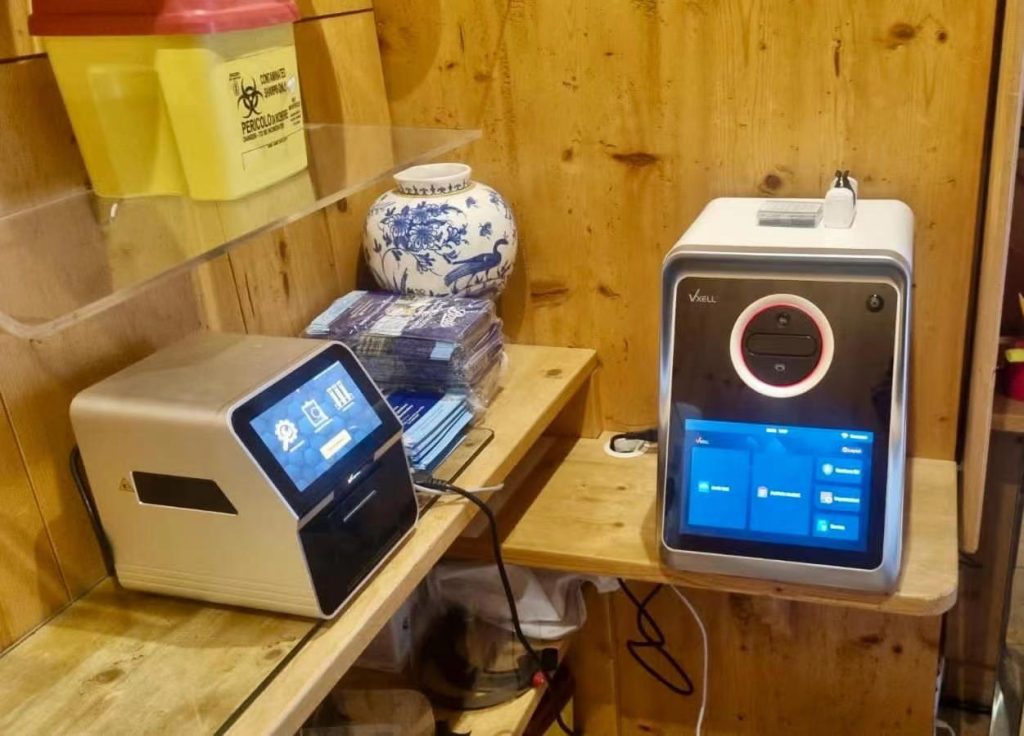
For organizations assessing compact hematology solutions, Ozelle’s human diagnostic portfolio illustrates how analyzers may be configured for different clinical testing needs. The procurement process, however, should begin with the laboratory’s own requirements rather than a product list.
Define the Laboratory Workflow
A CBC request may seem routine, but the workflow behind it varies between facilities. A community clinic may need a compact analyzer for daily whole-blood testing with a manageable operating routine. A specialist outpatient service may require extended white-cell differentiation and morphology-related information. A small laboratory may also need to consider how CBC testing fits alongside other selected laboratory services.
Before purchasing an analyzer, procurement teams should document the laboratory’s expected workload on a typical working day. This review can include anticipated sample volume, patient flow, sample-collection practices, staff availability, available bench space, and existing reporting procedures.
The same analyzer may fit one setting but not another. A facility with stable staffing and established laboratory procedures may evaluate the instrument differently from a newly established clinic, a decentralized care setting, or a laboratory operating with limited local technical support. The maturity of hematology workflows may also vary by country, institutional type, funding model, and local laboratory requirements.
This preparation helps avoid a common procurement problem: selecting an instrument with attractive specifications but a poor fit for expected workload, staffing structure, available space, or established testing procedures. Procurement should therefore begin with a practical question: what does the laboratory need to perform reliably on an ordinary day?
Assess the Analytical Scope
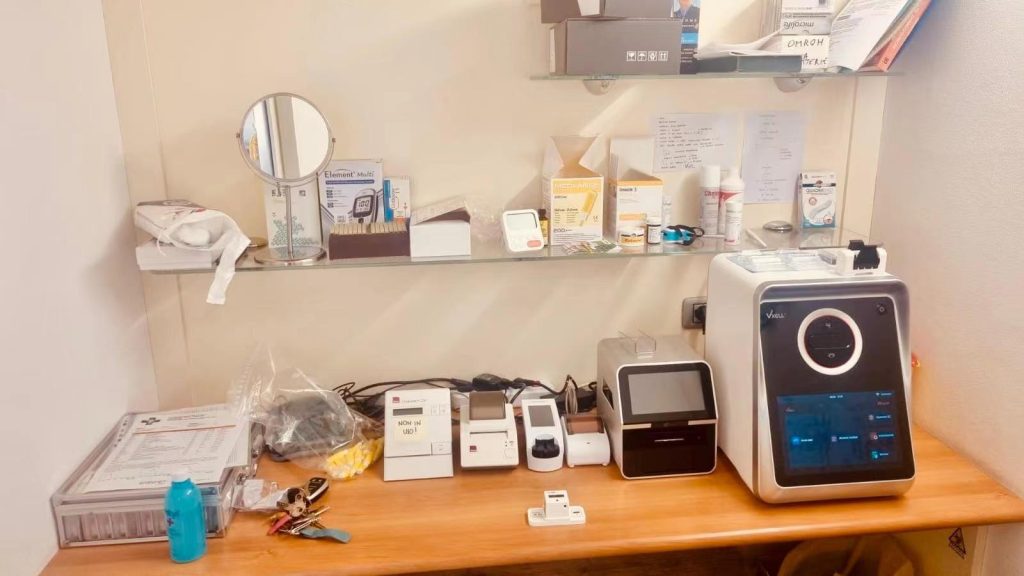
Matching CBC Analyzer Capabilities to Clinical Testing Needs
Some community clinics and primary-care outpatient settings may focus mainly on routine measurements, including white blood cells, red blood cells, hemoglobin, hematocrit, platelets, and related indices. Larger hospitals, specialist services, and laboratories may require analyzers that provide more extensive white-cell differentiation, reticulocyte-related information, platelet aggregate information, or image-based morphology support.
These differences in service scope can expand the analytical requirements of the laboratory. Rather than treating a broader parameter set as universally necessary, procurement teams should assess whether the available information corresponds to the institution’s testing responsibilities, reporting procedures, staffing structure, and intended clinical workflow.
Reviewing Differential and Morphology-Related Information
A facility with a defined need for 7-diff hematology and morphology-related information may assess whether an analyzer such as the EHBT-75 7-Diff Auto Hematology Analyzer fits its intended workflow. EHBT-75 combines 7-diff hematology with Complete Blood Morphology (CBM). It uses cell morphology for CBM and photoelectric colorimetry for hemoglobin measurement. Its listed reportable information includes standard CBC parameters as well as NST, NSG, NSH, ALY, PAg, and RET.
This does not mean that every laboratory requires the same analytical scope. Procurement teams should determine whether available parameters and morphology-related information correspond to their established test menu, operator training arrangements, and result-review procedures. More reportable information is useful only when the facility has a defined process for incorporating it into routine laboratory work.

Key Questions When Comparing CBC Analyzer Outputs
| Evaluation area | Procurement question | Operational relevance |
| Routine CBC reporting | Which core WBC, RBC, HGB, HCT, and platelet parameters are available? | Confirms alignment with the intended routine test menu |
| Differential information | What level of white-cell differentiation does the analyzer provide? | Helps determine fit with clinical service needs and reporting practices |
| Morphology-related output | Does the analyzer provide cell images, morphology-related parameters, or morphology-related flags for laboratory review? | Requires defined review criteria, appropriate operator training, and integration into the laboratory’s morphology-review workflow. |
| Требования к образцам | Which sample types and volumes are supported? | Affects collection practices and daily workflow |
| Reporting process | How are results displayed, reviewed, and documented? | Helps determine compatibility with existing result-review, documentation, and LIS/reporting workflows. |
A direct-from-manufacturer discussion can be valuable at this stage because it allows buyers to request technical explanations before making assumptions based on a product name or a short parameter list.
Review Consumables Locally
Consumable Planning for Factory-Direct CBC Analyzer Procurement
When evaluating a factory-direct CBC analyzer, procurement teams should request a clear explanation of the consumable model before comparing quotations. The practical importance of consumable planning may vary by country, local supply arrangements, import procedures, and the type of healthcare organization involved.
Assessing Supply Conditions Across Local Markets
In markets with established local distribution and predictable replenishment schedules, laboratories may manage consumables through regular ordering cycles. In other settings, where delivery lead times, import processes, storage capacity, or local service arrangements require closer planning, buyers may need to consider initial stock levels and replenishment procedures more carefully.
A useful review should consider the following areas:
- Consumables required for each test, batch, or maintenance activity
- Storage conditions and shelf-life management
- Suggested initial inventory for installation and routine use
- Ordering process, forecast cycle, and minimum order requirements
- Lot tracking and available documentation
- Local procedures for shipment delays, damaged goods, or supply interruptions
- Sample-volume requirements and supported sample types
- Repeat-testing and result-review procedures where applicable
Single-use integrated consumables may affect routine maintenance, contamination-control procedures, waste handling, and storage practices. Their operational value should be assessed in relation to the laboratory’s test volume, available staff, local supply conditions, and existing inventory-management process rather than through one universal purchasing model.
Reviewing Sample Handling and Integrated Test Configurations
Сайт EHBT-50 Minilab provides an example of why these questions should be reviewed together. It supports capillary or venous whole blood, serum, and plasma, with a listed sample-volume range of 30–100 µL. It is designed to support configurable single, dual, or triple test combinations across 7-diff hematology, immunoassay, and biochemistry.
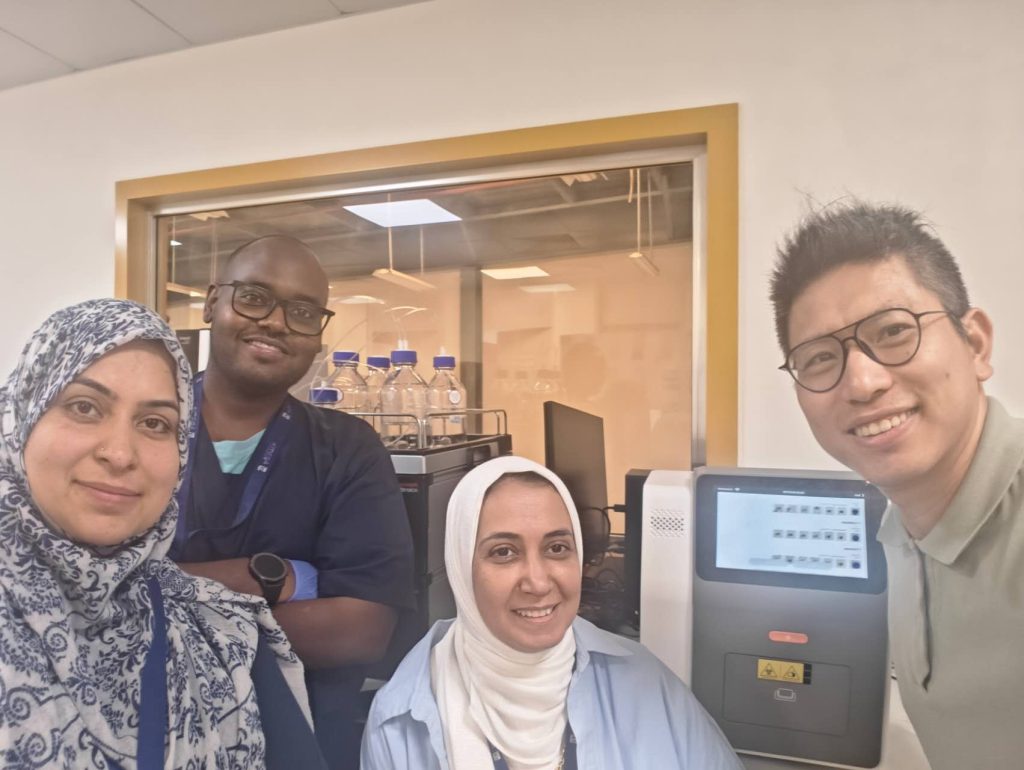
For facilities considering this type of combined workflow, the assessment should extend beyond the analyzer itself. Buyers may need to consider whether local service arrangements, the consumables-ordering process, staff training, and the expected test mix can support the selected combination of testing channels.
Initial instrument cost should also be interpreted carefully. A lower purchase price may be relevant, but it is only one part of the overall decision. Consumable availability, shipment conditions, training arrangements, maintenance requirements, and local support can influence how smoothly an analyzer fits into daily operation.
Consider QC and Support
Aligning QC and Calibration With Local Requirements
Internal QC, calibration, method verification and external quality assessment are related but distinct parts of laboratory quality management. Quality-control and calibration arrangements are relevant procurement considerations, but the specific procedures may differ according to local regulations, laboratory accreditation requirements, institutional policies, and the intended use of the analyzer. A system that appears technically appropriate may still require additional planning if its QC materials, calibration approach, documentation requirements, or operator responsibilities do not align with the laboratory’s existing quality-management process.
Before purchase, laboratories can review how the analyzer’s QC and calibration options may fit local procedures. Depending on the setting, this review may include available QC materials, storage requirements, calibration methods, recordkeeping practices, operator training, and technical support arrangements.

QC Questions to Review Before CBC Analyzer Purchase
Relevant questions may include:
- Which QC materials are available, and what storage conditions apply?
- Is calibration performed manually, automatically, or through defined service procedures?
- How can QC results be recorded, reviewed, and retained within the laboratory’s documentation process?
- Which team member is responsible for reviewing QC findings that require follow-up?
- What training is available for routine QC procedures?
- What technical guidance can the supplier provide when QC or calibration questions arise?
- How will QC be managed following a new consumable lot, service activity, or workflow change where required by local procedures?
The goal is not to select an analyzer based on one QC feature. It is to determine whether the available QC and calibration approach can be managed appropriately within the laboratory’s staffing model, working hours, documentation practices, and applicable requirements.
For example, EHBT-50 lists dry-type QC cards, liquid QC, and automatic calibration among its specifications. Whether these options suit a particular laboratory depends on its own quality procedures and the requirements applicable in its market.
Clarifying Supplier Responsibilities for Direct Procurement
Direct sourcing also requires a clear division of responsibilities before a purchase order is issued. The buyer should understand what the manufacturer, local distributor or importer, and healthcare organization will each manage during delivery, installation, training, routine operation, and technical support.、
*“Factory-direct” may refer to direct technical and commercial engagement with the manufacturer, even when local importation, registration, installation or service is handled by an authorized partner.
| Procurement stage | Responsibility to clarify |
| Technical review | Product information, configuration, consumable requirements, and intended-use documentation |
| Regulatory and market access | Local registration status, importer requirements, customs/import procedures, labeling requirements, and responsibility of the manufacturer, importer, or distributor |
| Installation | Site readiness, instrument setup, and acceptance arrangements |
| Training | Routine operation, sample handling, QC procedures, and escalation pathways |
| Supply continuity | Consumable ordering, delivery coordination, and available local stock arrangements |
| Ongoing support | Warranty coverage, service response times, spare-parts availability, remote or on-site support, software updates, and technical escalation contacts |
A factory-direct relationship is most useful when these responsibilities are documented rather than assumed. The buyer should know who will respond if an installation is delayed, an operator requires additional instruction, a consumable shipment is disrupted, or a technical issue requires escalation.
Make a Sustainable Choice
A factory-direct CBC analyzer should be evaluated as part of a sustainable laboratory workflow rather than as an isolated equipment purchase. The decision process should begin with the required analytical scope, then examine sample handling, consumable arrangements, QC procedures, training needs, and the responsibilities attached to direct supply.
There is no single procurement model that applies to every clinical laboratory. The appropriate choice may differ according to local healthcare infrastructure, laboratory staffing, regulatory conditions, supply-chain arrangements, and the clinical services an organization intends to provide.
A structured review helps procurement teams move beyond a comparison of instrument specifications or quoted prices. It creates a clearer basis for deciding whether an analyzer can be introduced, supported, and managed within the facility’s actual operating conditions.
If you are evaluating CBC analyzer solutions for your market or customer portfolio, please contact the Ozelle team or email us at info@ozellepoct.com. Our team works with distributors and local partners to assess market needs, target application scenarios, local operating conditions, and service requirements, helping identify suitable analyzer configurations for different customer needs.