
 Italiano
  English
  Français
  Русский
  Español
  Deutsch
  Português
  العربية
Veterinary clinics now expect faster in-house diagnostics for routine bloodwork, gastrointestinal complaints, urinary abnormalities, and inflammatory cases. That shift creates new opportunities for distributors, but it also raises the standard for veterinary hematology analyzer selection. A strong portfolio now depends on more than CBC performance alone; distributors need to compare workflow fit, maintenance requirements, test menu breadth, consumable logic, and clinic-level positioning before deciding which analyser to promote.
A practical portfolio usually needs more than one product tier. Some clinics want a compact veterinary hematology analyzer that combines 7-diff hematology with urine and feces testing in a small footprint, while others want a broader platform that also supports immunoassay testing for canine and feline cases. In Ozelle’s veterinary range, EHVT-75 e EHVT-50 serve these two distribution scenarios with different test configurations.
Ozelle places both models within its AI-powered veterinary diagnostics portfolio, which brings together veterinary hematology and, depending on the model, urine, feces, and immunoassay workflows for everyday animal care.
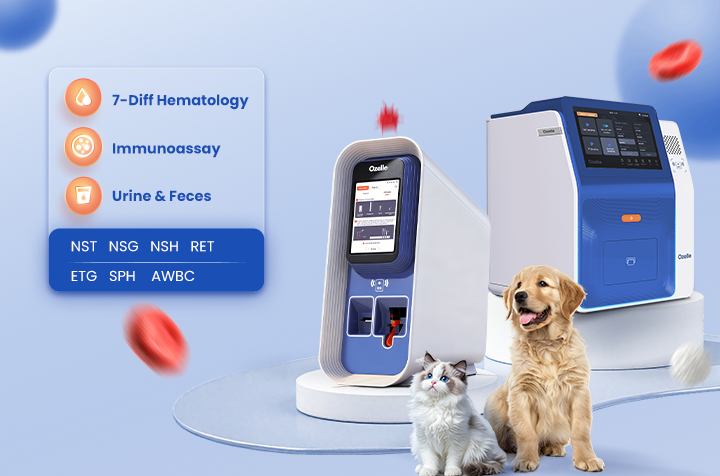
Why this veterinary hematology analyzer category matters
Veterinary hematology remains one of the most frequent diagnostic workflows in companion animal practice, especially for first-line assessment, symptomatic cases, follow-up monitoring, and routine screening. Clinics that keep more of this work in house can shorten turnaround time and support faster clinical decisions in daily practice. For distributors, that demand supports a product line with regular analyser usage, repeat consumable demand, and room for portfolio expansion into broader veterinary diagnostics.
This category also allows distributors to segment accounts more precisely. A small clinic with limited space will not evaluate a veterinary hematology analyzer in the same way as a busy hospital that wants hematology, urine, feces, and selected immunoassays on one platform. A useful buying guide therefore starts with customer type rather than only headline specifications.
Start with clinic segmentation
Distributors should first define which clinic profiles they want to serve. That step improves analyser selection and gives sales teams a clearer qualification path.
Three customer groups usually matter most:
- Small companion animal clinics, which often need a compact analyser, straightforward operation, limited maintenance, and efficient use of bench space.
- Growing general hospitals, which often want broader routine testing and may prefer one analyser that covers more than CBC alone.
- Emergency or referral hospitals, which often value a wider in-house menu for cases involving vomiting, diarrhoea, lethargy, urinary abnormalities, or inflammatory conditions.
This segmentation helps distributors position each analyser more accurately. EHVT‑75 suits clinics that want compact 7-diff hematology together with automated urine and feces analysis in one veterinary analyser. EHVT‑50 suits clinics and hospitals that want the same core veterinary testing plus an added immunoassay layer for broader in-house coverage.
Compare veterinary hematology analyzer options by role
Distributors should compare veterinary hematology analyzer options by intended role, not by isolated parameter counts alone. EHVT‑75 and EHVT‑50 illustrate this clearly because they support different clinic discussions even though both belong to the same veterinary family.
| Modello | Main role | Core test scope | Specie | Volume del campione | Distributor use case |
| EHVT-75 | Compact veterinary analyser for routine diagnostics | 7-diff hematology, urine, feces | Canino, felino | 100 μL for hematology, 200 μL for urine and feces | Small clinics and routine-care settings with limited space |
| EHVT-50 | Broader veterinary analyser for menu expansion | 7-diff hematology, immunoassay, urine, feces | Canino, felino | 100-200 μL | Clinics and hospitals that want broader in-house testing |
This comparison creates a workable portfolio logic. EHVT‑75 gives distributors a compact analyser for routine veterinary diagnostics, while EHVT‑50 gives them a broader analyser for clinics that want to expand testing within one platform.
Evaluate analytical scope carefully
EHVT‑75 scope
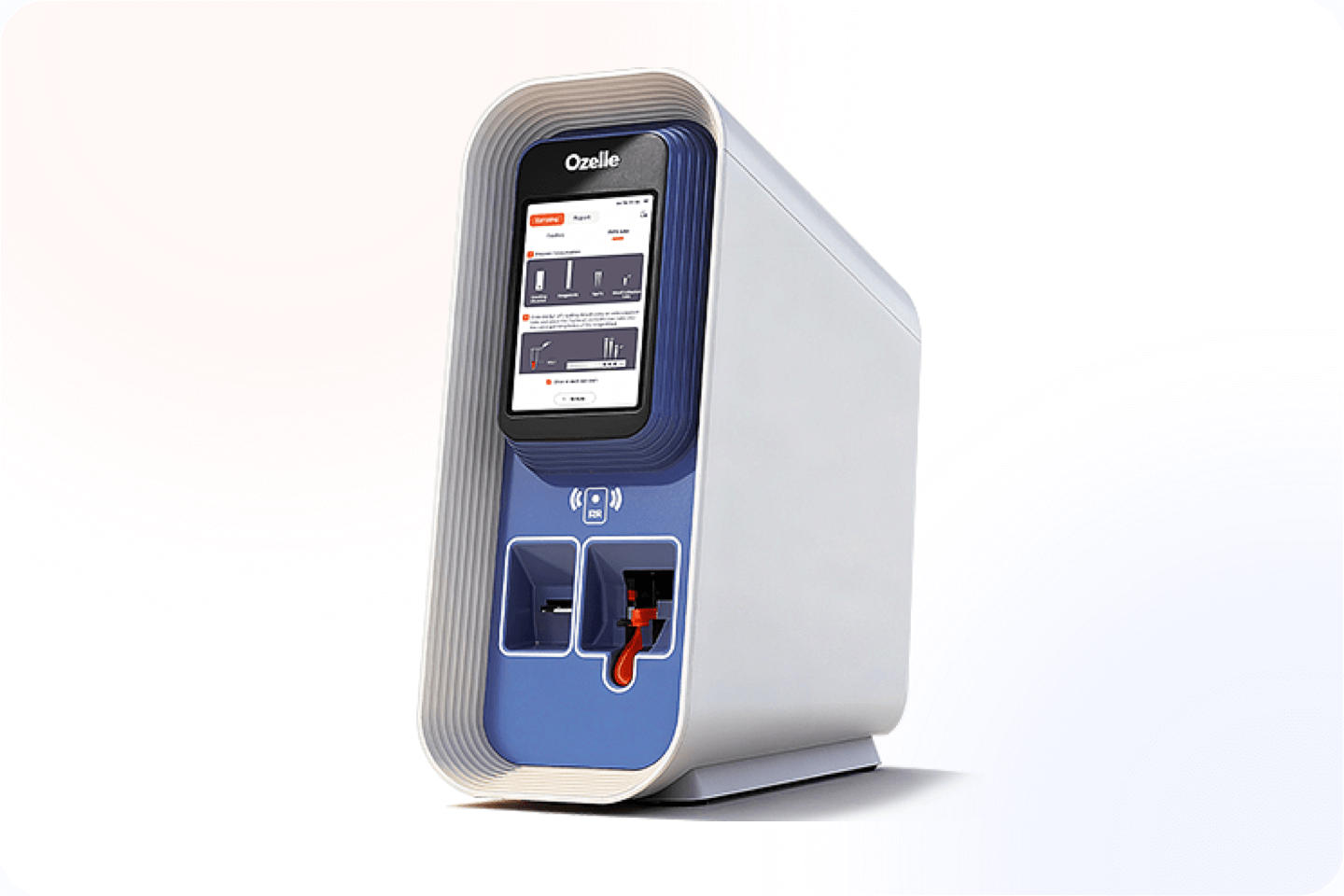
Distributors should examine what each analyser actually covers in day-to-day clinical work. EHVT‑75 combines 7-diff hematology with automated urine and feces analysis in a compact veterinary format. It supports canine and feline samples and covers 42 CBM parameters together with 29 urine parameters and 29 feces parameters. That structure gives distributors a strong option for clinics that want routine blood, urine, and fecal testing in one compact veterinary hematology analyzer without moving into a broader immunoassay menu.
EHVT‑75 also fits clinics that need broader routine diagnostics but still work with limited space and staffing. Its integration of blood, urine, and feces workflows makes it relevant for practices that want practical coverage of everyday veterinary cases in one analyser footprint.
EHVT‑50 scope
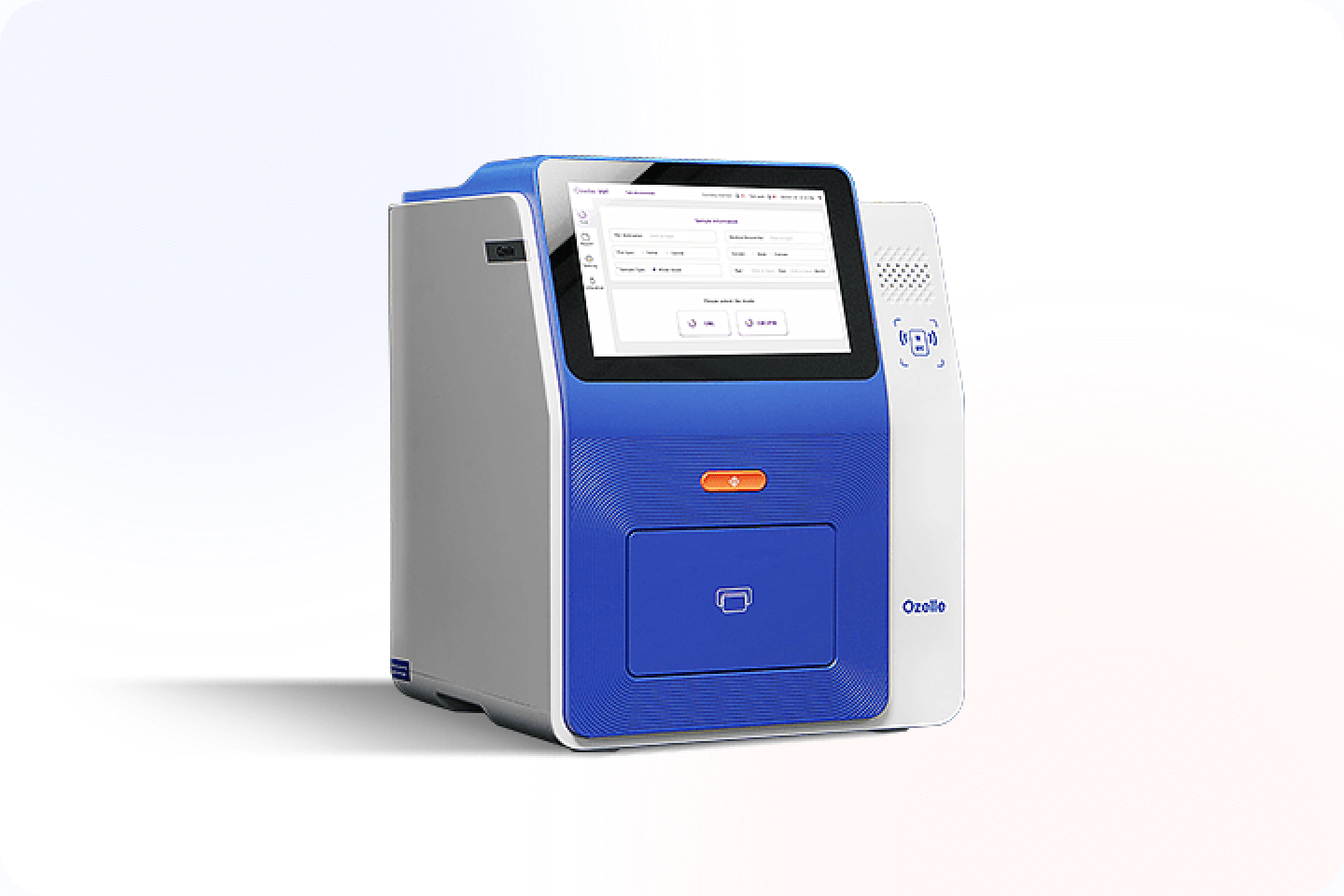
EHVT‑50 uses a broader clinical positioning. It combines 7-diff hematology, immunoassays, and urine and feces testing in one veterinary platform for canine and feline care. EHVT‑50 supports 42 CBM parameters together with 29 urine parameters and 29 feces parameters, and its immunoassay menu includes cCRP, fsAA, cPL, fPL, cT4, fT4, cProg, and cNT-proBNP.
For distributors, that broader menu changes the value proposition. EHVT‑50 supports a wider in-house testing conversation because it brings together hematology, selected inflammatory markers, selected pancreatic markers, selected hormone markers, selected cardiac markers, urine testing, and feces testing within one analyser workflow. That positioning often fits hospitals and advanced clinics better than a routine hematology-focused pitch.
Check workflow and maintenance model
Installation and daily workflow
Distributors should compare how an analyser behaves in everyday use, not only how it looks in a specification table. Workflow design affects training time, service burden, consumable planning, and user consistency.
EHVT‑75 supports a compact installation profile with an 8 kg body weight and dimensions suited to limited bench space. It combines hematology, urine, and feces workflows in one analyser, which can simplify routine testing in clinics that want fewer separate operating steps.
EHVT‑50 supports a broader diagnostic workflow by combining hematology, urine, feces, and immunoassay testing within the same analyser platform. For distributors, this creates a stronger fit for clinics that want to centralize more routine testing without spreading workflows across multiple separate analysers.
Maintenance and support considerations
EHVT‑75 uses a no-fluid-path architecture and single-use reagent cartridges. It also supports automatic calibration, a dry QC card workflow, and connectivity through LIS, USB, and LAN. These features help distributors position it as a practical analyser for accounts that want lower routine maintenance complexity.
EHVT‑50 follows a similar maintenance direction. It uses a no-fluid-path architecture, single-use sealed reagent kits, room-temperature reagent storage, automatic operation, dry QC card support, and automatic calibration. It also supports LIS, USB, and LAN connectivity and includes built-in printing support.
These details matter commercially because distributors need analysers that simplify training, reduce routine maintenance demands, and support stable consumable planning across accounts. An analyser that uses sealed or single-use reagent logic and avoids complex fluid-path servicing can lower operational friction for both clinics and channel partners.
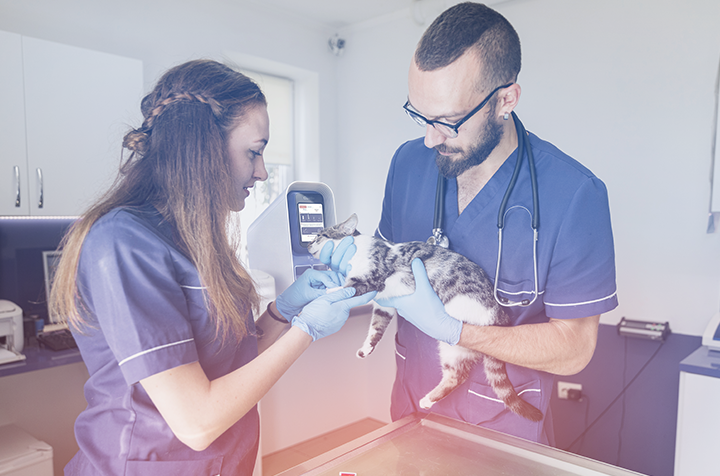
Match each analyser to the right account
A veterinary hematology analyzer buying guide becomes useful when it helps a distributor choose the right analyser for a real sales conversation. Account-level positioning makes that easier.
| Profilo della clinica | Typical need | Recommended analyser | Reason |
| Small animal clinic with limited bench space | Compact routine diagnostics with blood, urine, and feces testing | EHVT‑75 | Combines 7-diff hematology, urine, and feces in a compact 8 kg platform |
| Growing clinic upgrading from a basic CBC workflow | Broader first-line diagnostics without adding several separate analysers | EHVT‑75 | Supports morphology-led hematology together with automated urine and feces workflows |
| Busy clinic that wants broader in-house testing | CBC plus selected immunoassays, urine, and feces in one workflow | EHVT‑50 | Adds immunoassay menu to 7-diff hematology, urine, and feces testing |
| Animal hospital handling more complex symptomatic cases | Wider menu for inflammatory, gastrointestinal, urinary, and systemic evaluation | EHVT‑50 | Supports broader veterinary testing on one platform, including cCRP, fsAA, cPL, fPL, cT4, fT4, cProg, and cNT-proBNP |
This matrix helps distributors present a clearer choice. EHVT‑75 works well as a compact routine-care analyser, while EHVT‑50 supports broader in-house veterinary diagnostics with an additional immunoassay layer.
What distributors should verify before committing
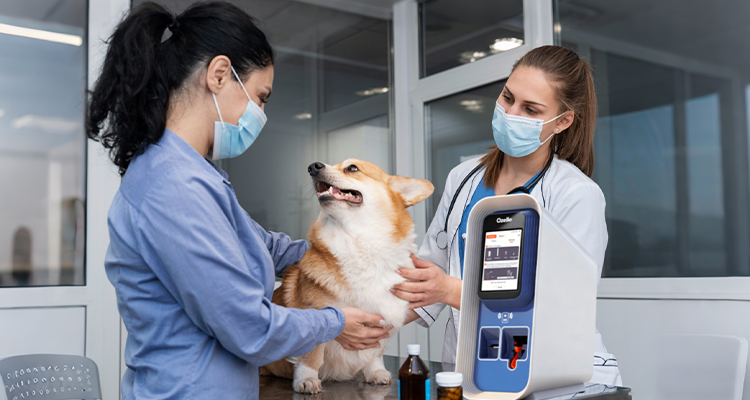
Before adding any veterinary hematology analyzer to a portfolio, distributors should use a structured checklist. That checklist should stay practical and account-facing.
Key questions include:
- Does the analyser’s test scope match the clinic types in the target region?
- Does the analyser use a maintenance model that the service team can support efficiently?
- Does the sample volume suit canine and feline workflows in routine practice?
- Does the connectivity support LIS and basic reporting expectations?
- Does the analyser create a clear tier difference in the portfolio, or does it overlap too heavily with another model?
For Ozelle’s veterinary line, the distinction remains clear. EHVT‑75 supports compact 7-diff hematology, urine, and feces testing for routine veterinary diagnostics, while EHVT‑50 adds an immunoassay menu and supports a broader in-house diagnostic discussion with clinics and hospitals.
Domande frequenti
What species do these analysers support?
EHVT‑75 and EHVT‑50 both support canine and feline testing. For distributors, this means both analysers align well with the needs of companion animal clinics, where dogs and cats make up most routine diagnostic volume.
How should distributors decide between a compact analyser and a broader analyser?
Distributors should start with clinic workflow, available space, and expected test mix. EHVT‑75 fits accounts that mainly need routine hematology together with urine and feces analysis in a compact format, while EHVT‑50 fits accounts that also want selected immunoassays within the same analyser workflow.
Which analyser is easier to position in space-constrained clinics?
EHVT‑75 is easier to position in space-constrained clinics because it combines 7-diff hematology, urine, and feces analysis in a compact 8 kg analyser designed for that environment.
What operational factors matter most to procurement teams besides the test menu?
Procurement teams usually look closely at maintenance model, reagent format, connectivity, training burden, installation footprint, and ongoing service requirements. EHVT‑75 and EHVT‑50 both use no-fluid-path architecture and support dry QC card workflows, while EHVT‑50 also extends the test menu into immunoassays for accounts that want broader coverage.
How can distributors reduce overlap between the two models in their portfolio?
Distributors can reduce overlap by assigning each analyser a clear commercial role. EHVT‑75 can anchor the compact routine-diagnostics tier, and EHVT‑50 can anchor the broader in-house diagnostics tier for clinics and hospitals that want an added immunoassay layer.
What should distributors clarify before the first order?
Distributors should confirm target clinic type, expected test mix, local service capability, reagent planning, and whether the market needs a compact analyser first or a broader analyser with additional test categories. Early alignment on these points usually leads to a cleaner product-positioning strategy.
Conclusione
This veterinary hematology analyzer buying guide gives distributors a practical way to match analyser choice with clinic workflow, service capacity, and market demand. EHVT‑75 and EHVT‑50 create two clear veterinary analyser positions: one for compact routine diagnostics and one for broader in-house testing that includes immunoassays.
For distributors planning their veterinary hematology analyzer portfolio, the next practical step is to talk to Ozelle about local market needs, reagent planning, and which analyser mix fits their target clinic base.