
 Deutsch
  English
  Français
  Русский
  Español
  Português
  العربية
  Italiano
Across Southeast Asia, hematology is entering a new phase of development shaped by hospital expansion, rising testing volumes, and stronger expectations around laboratory efficiency, diagnostic standardization, and digital integration. CBC testing remains one of the most widely used diagnostic tools in the region because it supports infection assessment, chronic disease management, oncology workflows, emergency care, and routine clinical screening across multiple levels of the healthcare system.These priorities vary across Southeast Asia, where advanced hospital networks in markets such as Singapore and Malaysia coexist with rapidly expanding diagnostic infrastructure in Indonesia, Vietnam and the Philippines.
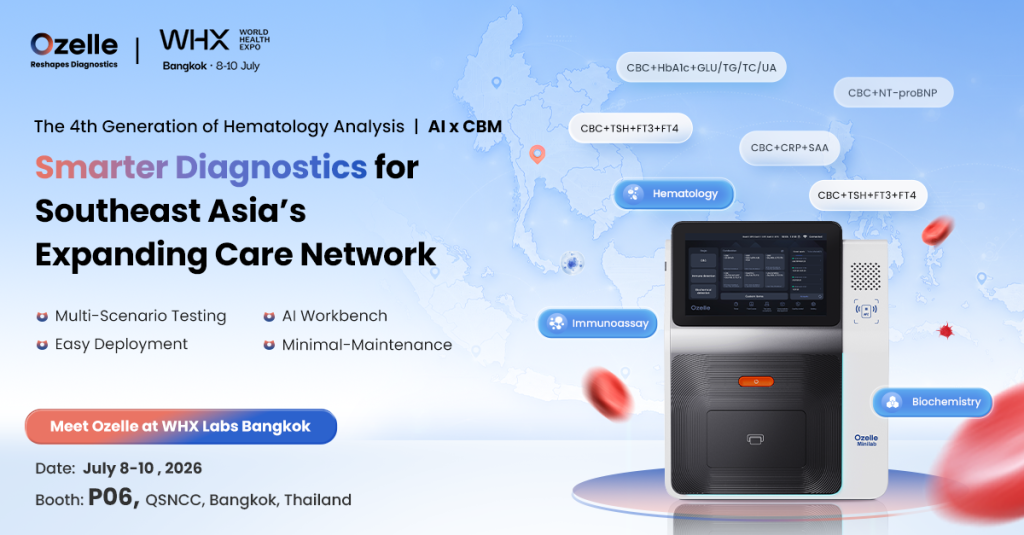
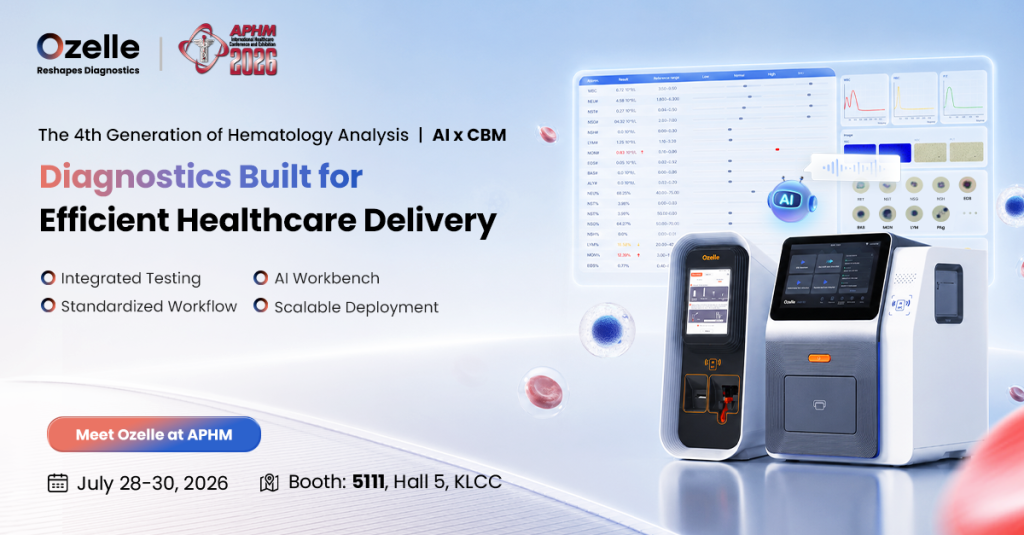
Regional exhibitions offer a useful view of how these priorities are being translated into technology choices. WHX Labs Bangkok is one of the regional platforms where laboratory professionals and suppliers discuss diagnostic technologies, while APHM International Healthcare Conference & Exhibition 2026 frames healthcare technology within broader questions of quality, efficiency, and performance measurement. Together, these forums provide a useful reference point for observing how laboratory technologies, including hematology analyzers, are being positioned within broader discussions on operational efficiency, digital integration, and healthcare performance.
Regional market context
The global hematology analyzer market was valued at approximately USD 4.33 billion in 2025 and has been projected to reach around USD 7.28 billion by 2034. Asia‑Pacific is identified as one of the fastest‑growing regions, with published estimates pointing to about 8.2% compound annual growth rate through 2034, driven by healthcare infrastructure expansion and growing diagnostic demand.
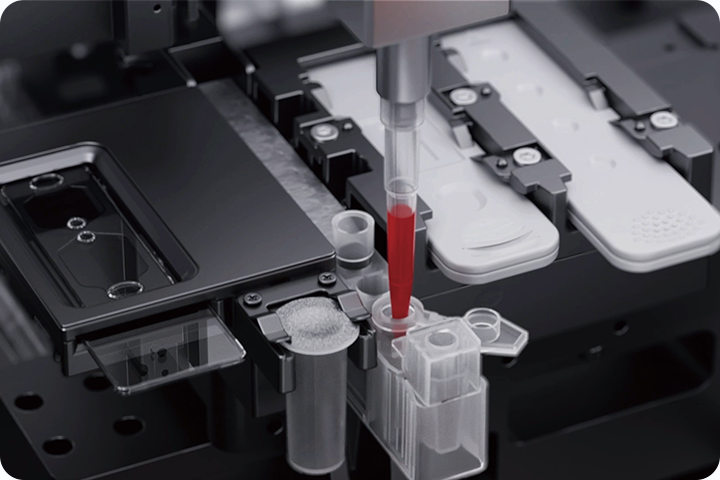
Within Southeast Asia, this growth plays out across a highly varied healthcare landscape that includes tertiary hospitals, private hospital groups, regional laboratories, community hospitals, and decentralized testing sites. As a result, hematology analyzers are being assessed not only by analytical performance, but also by how well they fit local staffing models, laboratory space, maintenance capacity, and information system requirements.
Exhibition signals from Southeast Asia
WHX Bangkok and WHX Labs Bangkok are among Southeast Asia’s leading exhibition platforms for healthcare and medical laboratory technologies, bringing together healthcare providers, laboratory professionals, suppliers, and decision‑makers from across the region. The scope of these events includes diagnostics, laboratory technologies, digital health, and healthcare infrastructure, which places hematology within a broader context of system modernization rather than isolated instrument procurement.
APHM International Healthcare Conference & Exhibition 2026 places its emphasis on “From Volume to Value: Measuring What Matters in Healthcare Performance,” with discussion areas that include collaboration, operational improvement, affordability, and quality of care. In that setting, laboratory technologies such as CBC analyzers and related hematology platforms are increasingly relevant as part of wider institutional conversations about measurable performance, resource use, and clinical workflow design.
Taken together, these events suggest that hematology is being discussed less as a narrow equipment category and more as a component of diagnostic capacity, digital integration, and healthcare delivery performance across Southeast Asia.
Technology direction in CBC and cbc analyzer machine systems
From numerical CBC to AI‑assisted morphology
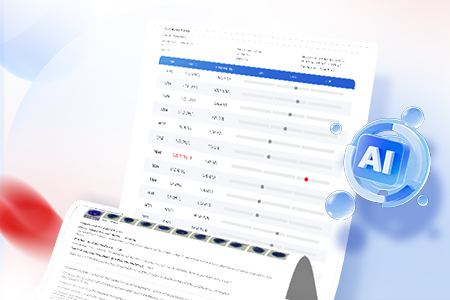
One of the clearest technical shifts in hematology is the move from count‑focused CBC systems toward analyzers that incorporate image‑based review and AI‑assisted morphology classification. Traditional cbc analyzer machine designs remain essential for generating core white blood cell, red blood cell, hemoglobin, hemoglobin, and platelet parameters, but newer analyzers increasingly add image capture and algorithmic identification of cell subpopulations such as NST, NSG, NSH, ALY, and RET.
This direction is particularly relevant in Southeast Asia, where laboratory capacity and access to experienced morphology review remain uneven across countries and facility types. AI‑supported image review is therefore being examined as a way to support more standardized preliminary classification, preserve traceable visual evidence, and support more structured review workflows.
From single‑discipline analyzers to integrated testing
A second trend is the rise of compact systems that combine hematology with immunoassay and, in some cases, dry biochemistry. In markets where laboratory footprints are often limited and test demand varies significantly by institution, integrated analyzers are being considered as a means of consolidating basic diagnostic capability within a smaller instrument environment.
This design direction reflects the practical needs of facilities that require broad test availability without building separate operational tracks for each discipline. In Southeast Asia, that issue is especially relevant for community hospitals, outpatient centers, and smaller independent laboratories that must balance space, staffing, and menu breadth.
From isolated instruments to connected laboratory nodes
Connectivity is also becoming a more important factor in hematology system evaluation. Features such as LIS/HIS integration, auto‑calibration, and structured QC support are increasingly treated as elements of routine laboratory infrastructure rather than optional upgrades.
This reflects the fact that hematology analyzers are now expected to function inside wider information and quality systems. In hospital groups and multi‑site laboratory networks, CBC data must support reporting consistency, accreditation processes, and integration with broader digital workflows.
Operational and procurement implications
Total cost of ownership
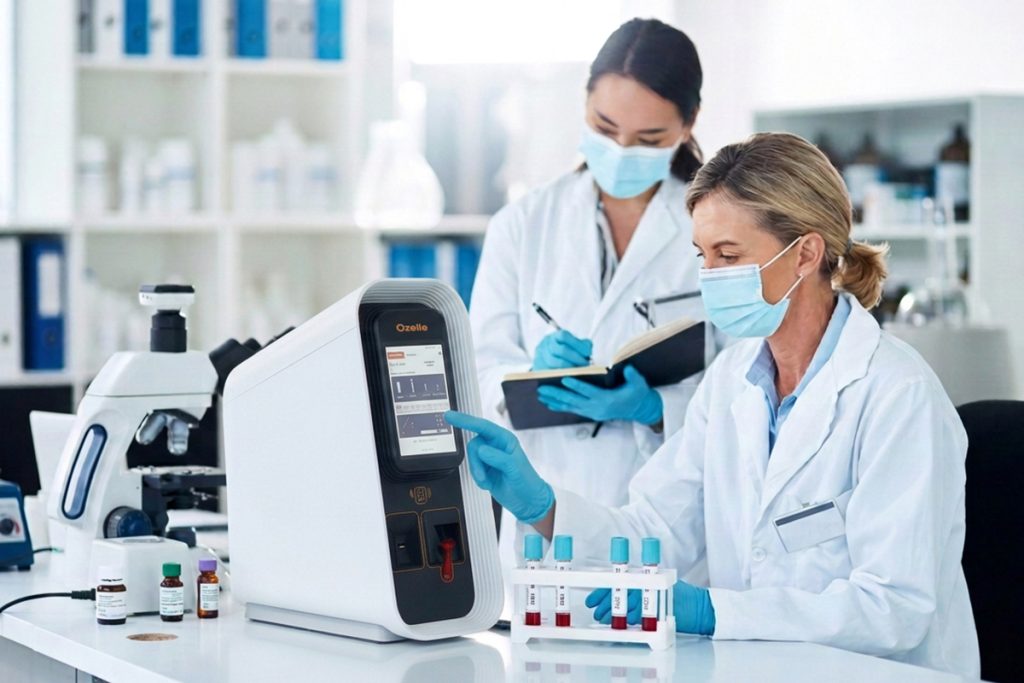
In Southeast Asia, analyzer adoption is shaped by pricing sensitivity, import dependence, reagent supply conditions, and service logistics. For that reason, procurement decisions are increasingly influenced by total cost of ownership rather than capital price alone. Relevant considerations include reagent stability, maintenance frequency, parts availability, training requirements, and the predictability of long‑term operating costs.
This is one reason why regional conferences and exhibitions increasingly feature discussion around service models and lifecycle management. Leasing, reagent‑rental structures, framework agreements, and pay‑per‑test arrangements all reflect a broader shift toward financially managed analyzer deployment.
Distributed deployment and remote oversight
A parallel development is the move from isolated analyzer installations to distributed fleets that can be monitored across multiple sites. Remote visibility into uptime, quality control status, maintenance indicators, and usage patterns is becoming more relevant in geographically dispersed healthcare systems where centralized service teams support multiple institutions.
For Southeast Asia, this matters because laboratory networks often span capital cities, provincial centers, islands, and rural facilities. In that context, serviceability and digital visibility become part of the larger question of laboratory resilience and continuity.
Likely development pattern in Southeast Asia
The likely direction of hematology in Southeast Asia is not the replacement of all systems by one advanced platform, but the continued development of tiered equipment structures aligned with institutional complexity. Entry‑level CBC analyzers are likely to remain relevant in primary care and smaller facilities, while 5‑part and 7‑part differential systems continue to serve district and regional hospitals. AI‑assisted morphology capabilities are more likely to expand in tertiary centers and central laboratories, particularly where image review and structured morphology support are becoming more important. Integrated multi‑disciplinary formats are also likely to remain relevant in facilities that require broader test coverage within compact operational settings.
At the same time, regulation, accreditation, and data governance are likely to exert greater influence on analyzer selection. Systems that support traceable QC processes, structured reporting, and reliable interoperability with hospital information systems are more closely aligned with the direction implied by regional discussions on healthcare quality and performance.
Product design responses to regional trends
Current product development in hematology reflects several of the pressures visible across Southeast Asia, including the need for integrated testing, compact analyzer footprints, reduced routine maintenance, and closer workflow integration with laboratory information systems. These design priorities are increasingly visible in analyzers intended for hospitals and laboratories that need to extend menu breadth while keeping daily operation manageable.
Ozelle as an Example of Trend‑Aligned Analyzer Design
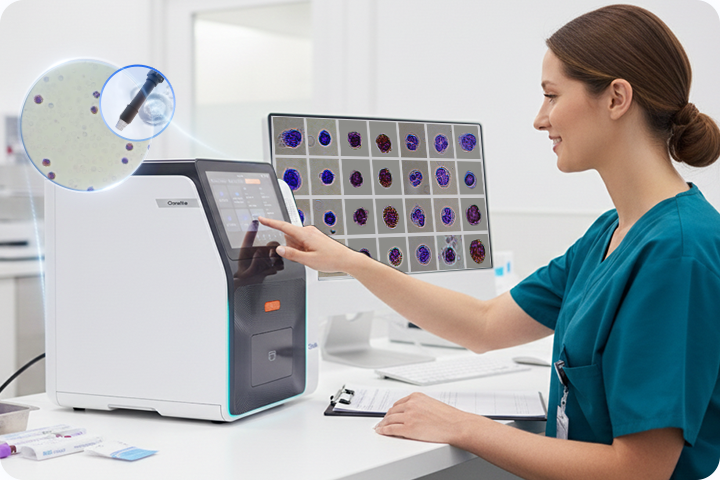
Ozelle’s hematology product portfolio illustrates how analyzer design can align with emerging requirements in Southeast Asia around integrated testing, compact form factors, and simplified day‑to‑day operation.
Die EHBT‑50 Minilab is a multi‑functional analyzer that combines 7‑part differential hematology, immunoassay, and dry biochemistry within a compact system. According to product documentation, its hematology module provides 41 CBC/CBM‑related parameters, including extended indices such as NST, NSG, NSH, ALY, PAg, RET and related ratios, while the immunoassay and biochemistry channels cover markers for endocrine function, cardiac status, inflammation, and basic metabolic assessment.
Die EHBT‑75 is a 7‑part hematology analyzer focused on complete blood count and morphology (CBC/CBM) and morphology‑related information, designed for laboratories that require detailed blood analysis in a compact analyzer. Available materials highlight its ability to generate high‑resolution cell images and multiple CBC/CBM parameters, including subpopulations such as NST, NSG, NSH, RET, ETG, and SPH, supporting both visual and quantitative evaluation on the same platform.
Schlussfolgerung
The Southeast Asian hematology market is developing along several connected lines: broader demand for CBC testing, greater interest in AI‑assisted morphology, continued uptake of integrated testing formats, and stronger expectations around connectivity, quality control, and service infrastructure. WHX Bangkok, WHX Labs Bangkok, and APHM 2026 are relevant because they reflect the priorities currently shaping how hematology technologies and CBC analyzers and hematology platforms are being discussed and evaluated across the region.
In this setting, hematology analyzers are increasingly being judged within a larger operational framework that includes clinical usefulness, deployment flexibility, digital interoperability, and lifecycle management. That framing is likely to remain central to how CBC and related hematology systems are introduced and adopted across Southeast Asia in the coming years.