 Русский
  English
  Français
  Español
  Deutsch
  Português
  العربية
  Italiano
 Introduction: The Evolution of Diagnostic Medicine
The landscape of clinical diagnostics has undergone a fundamental transformation over the past decade. While traditional laboratory testing once required sending blood samples to centralized facilities, waiting hours or days for results, modern point-of-care testing (POCT) devices now deliver comprehensive diagnostic information within minutes at the patient’s bedside, clinic, or emergency department. This revolution represents more than technological convenience—it fundamentally changes how healthcare providers identify diseases, make treatment decisions, and manage patient outcomes.
Point-of-care testing, also referred to as near-patient testing or bedside testing, is defined as medical diagnostic testing performed at or near the location where patient care is provided. The global POCT market, valued at approximately $43.2 billion in 2022, is projected to expand significantly, reaching an estimated $72 billion by 2027 at a compound annual growth rate of 10.8%. This unprecedented growth reflects the industry’s recognition that decentralized diagnostics fundamentally improve patient care economics and clinical outcomes.
What Are POCT Devices? Core Definitions and Scope
POCT devices are analytical instruments designed to deliver rapid diagnostic results at the point of patient care. Unlike centralized laboratory testing, which involves multiple processing steps—sample collection, transportation, batch processing, and result reporting—POCT consolidates these functions into portable, operator-friendly devices that can be deployed across diverse healthcare settings.
The fundamental principle driving POCT adoption is elegantly simple: bring the laboratory to the patient, rather than sending the patient to the laboratory. This paradigm shift eliminates transportation delays, streamlines clinical workflows, and enables healthcare providers to make informed treatment decisions during the patient encounter rather than scheduling follow-up visits based on later-arriving results.
Key Characteristics of Modern POCT Devices
Contemporary POCT instruments share several defining characteristics that distinguish them from traditional laboratory analyzers:
Rapid Turnaround Time: Results available within 6-10 minutes, compared to traditional laboratory delays of 2-6 hours, enabling same-day clinical decision-making.
Portability and Compact Design: POCT devices occupy minimal physical space, fitting seamlessly into clinic examination rooms, emergency departments, and even mobile healthcare settings such as ambulances and remote clinics.
Ease of Operation: Most POCT devices require minimal operator training and employ intuitive graphical interfaces, enabling non-technical healthcare workers to execute testing protocols reliably.
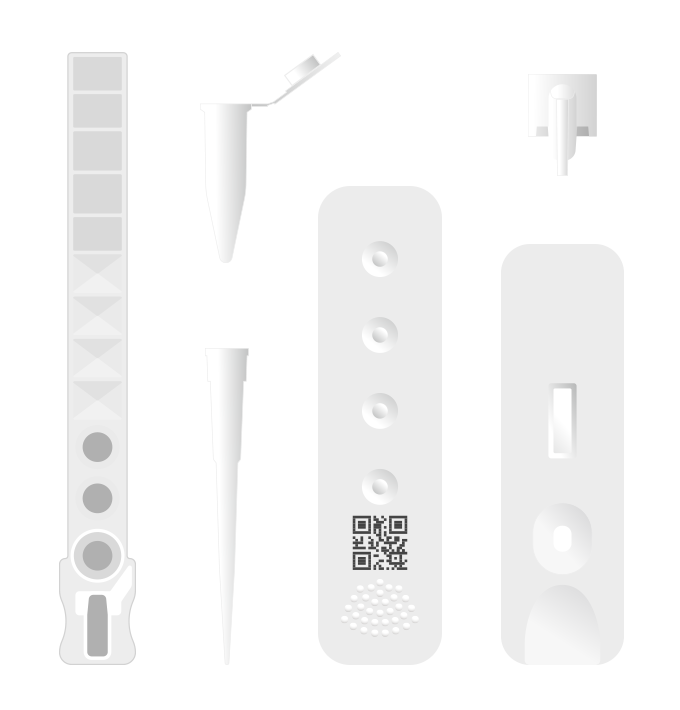
Sealed, Single-Use Cartridges: Disposable test cartridges containing all reagents eliminate the complexity of manual sample preparation, reduce contamination risk, and prevent cross-sample interference.
Room-Temperature Storage: Test reagents and consumables maintain stability at ambient temperature, eliminating expensive cold-chain logistics that plague traditional laboratory workflows.
Multi-Functional Capability: Advanced POCT platforms now integrate hematology, immunoassay, biochemical analysis, and even urine/fecal testing into single devices, replacing multiple separate analyzers.
Market Dynamics: Where POCT Growth Is Accelerating
Regional Market Leadership and Emerging Opportunities
North America currently dominates the POCT landscape with approximately 41% of global market share in 2024, benefiting from advanced healthcare infrastructure, strong reimbursement mechanisms, and the presence of established diagnostic manufacturers. However, Asia-Pacific has emerged as the fastest-growing region, expanding at 8.2% compound annual growth rate, driven by healthcare infrastructure modernization, government investment in diagnostic capabilities, and the emergence of middle-income populations demanding accessible diagnostics.
Within Asia-Pacific, China represents the largest opportunity with 7.2% projected growth, followed by India at 6.7% and Southeast Asian nations (Thailand, Vietnam, Philippines) experiencing rapid expansion driven by urbanization and facility development.
Segment-Specific Growth Trajectories
The POCT market demonstrates heterogeneous growth patterns across different testing categories and application settings:
Point-of-Care Testing Segment (15-18% CAGR): The pure POCT category—compact, entry-level analyzers deployed in clinics, pharmacies, and emergency departments—represents the fastest-growing subsegment, significantly outpacing overall market growth.
Veterinary Diagnostics (8-11% CAGR): Specialized veterinary analyzers addressing canine, feline, and other species diagnostics constitute a $3+ billion market opportunity, with dedicated POCT platforms enabling in-house blood analysis at animal hospitals and veterinary clinics.
Pharmacy Testing (10-14% CAGR): Progressive regulatory frameworks in Brazil, France, USA, Australia, and other nations now permit pharmacies to conduct medical testing, creating entirely new distribution channels and clinical touchpoints for POCT deployment.
Hospital Laboratory Integration: While centralized laboratory diagnostics remain essential for high-volume processing, hospitals increasingly deploy satellite POCT devices in emergency departments, operating rooms, and intensive care units where rapid turnaround directly impacts mortality outcomes.
Core Technologies Enabling Modern POCT Devices
Complete Blood Morphology (CBM) and Artificial Intelligence Integration
The most significant recent advancement in POCT technology combines complete blood morphology (CBM)—comprehensive analysis of individual blood cell morphology—with artificial intelligence algorithms trained on tens of millions of clinical samples. This integration represents a qualitative leap beyond traditional complete blood count (CBC) methodology.
Traditional CBC methodology, based on impedance counting or flow cytometry techniques developed in the 1950s-1970s, counts cell populations but provides limited morphological detail. Modern AI-powered POCT devices now capture high-resolution microscopic images of individual blood cells, employing machine learning algorithms to recognize morphological variations that indicate disease. A system trained on 40+ million annotated blood cell images achieves classification accuracy approaching that of expert pathologists, enabling detection of rare cell populations, immature cell fractions, and morphological abnormalities that traditional methods miss.
Optical and Mechanical Innovation
Advanced POCT platforms employ several complementary optical and mechanical technologies:
Swiss-manufactured custom optical lenses deliver 4-megapixel resolution at 50 frames-per-second capture rates, enabling detailed cell morphology visualization at oil-immersion resolution levels previously achievable only with manual microscopy.
Patented Z-stack technology captures three-dimensional images of individual cells, moving beyond traditional two-dimensional analysis and enabling more nuanced morphological classification.
High-speed full-field scanning processes entire sample chambers in fractions of a second, capturing statistically significant cell populations and ensuring reliable parameter estimation.
Fully automated mechanical positioning systems with sub-micrometer repeatability accuracy (< 1 μm) ensure consistent sample positioning across thousands of sequential testing runs, eliminating operator-dependent variation inherent in manual microscopy.
Multimodal Imaging and Signal Detection
Contemporary POCT devices employ multiple simultaneous imaging modalities:
- Visible spectrum imaging provides conventional brightfield microscopy information
- Narrowband multispectral imaging captures wavelength-specific optical signatures enabling fluorophore detection and enhanced stain differentiation
- Photoelectric signal detection captures light transmission and scattering characteristics that correlate with cell size and internal structure
- AI-powered image enhancement applies convolutional neural networks to achieve super-resolution imaging beyond theoretical diffraction limits
This multimodal approach generates a comprehensive information profile for each analyzed cell, enabling sophisticated machine learning algorithms to make nuanced classifications based on integrated morphological, optical, and structural data.
Clinical Applications: How POCT Devices Reshape Patient Care
Infection Detection, Typing, and Severity Assessment
POCT devices excel at rapid infection assessment, a critical clinical need where treatment decisions cannot await centralized laboratory processing. Complete blood cell analysis enables differentiation between bacterial and viral etiologies through characteristic white cell patterns:
Bacterial infections characteristically produce elevated mature neutrophils (NSG) with left-shift patterns indicating immature neutrophil mobilization (elevated NST), reflecting bone marrow stress response to acute infectious challenge.
Viral infections typically generate lymphocytosis with relative neutrophil depression, reflecting the immune system’s antiviral response pattern.
When integrated with inflammatory markers such as C-reactive protein (CRP), serum amyloid A (SAA), and procalcitonin (PCT), POCT CBC analysis enables clinicians to classify infection severity and bacterial versus viral probability with sufficient confidence to guide antibiotic stewardship—a critical public health consideration in an era of antimicrobial resistance.
Diabetes and Metabolic Disease Screening
Multi-functional POCT devices now combine complete blood cell analysis with HbA1c measurement (reflecting long-term glucose control), fasting glucose, lipid panels, and urinalysis—enabling comprehensive diabetes risk assessment and metabolic profiling in a single testing encounter. This integrated approach supports screening, diagnosis confirmation, and treatment monitoring across the continuum of metabolic disease management.
Cardiovascular Risk Stratification
POCT integration of CBC analysis with cardiac biomarkers (NT-proBNP for heart failure risk, troponin for myocardial injury) and lipid panels enables primary care clinicians to identify patients at elevated cardiovascular risk and facilitate timely cardiology referral and intervention.
Renal and Hepatic Function Assessment
Complete metabolic panel integration within POCT platforms enables assessment of renal function (creatinine, BUN, cystatin C) and hepatic function (ALT, AST, albumin, bilirubin), supporting medication safety evaluation and detection of organ dysfunction in patients with chronic diseases.
Multi-Application Deployment Across Healthcare Settings
POCT devices demonstrate remarkable versatility across diverse clinical environments:
Emergency Departments: Six-minute turnaround enables rapid triage assessment, critical in trauma, sepsis, and acute infection evaluation where each hour delay increases mortality risk by 4-9%.
Hospital Laboratories: Satellite POCT devices augment centralized laboratories, enabling decentralized testing in operating rooms, intensive care units, and specialty care units where rapid results provide clinical advantage.
Primary Care Clinics: POCT analyzers enable family medicine practices and occupational health centers to provide reference-laboratory-equivalent diagnostics without specialized laboratory infrastructure, supporting same-day clinical decision-making and reducing patient follow-up visits.
Pharmacies and Retail Healthcare: In jurisdictions permitting pharmacy-based medical testing (Brazil, Italy, France, USA, Australia, Ireland, Kenya), POCT devices enable pharmacy clinicians to offer comprehensive screening services, improving diagnostic accessibility for underserved populations.
Mobile Clinics and Ambulances: Compact POCT devices with room-temperature storage enable deployment in ambulances, visiting nurse programs, and remote clinic settings where centralized laboratory access is impractical.
Veterinary Clinics: Specialized POCT platforms enable in-house blood, urine, and fecal analysis at animal hospitals, supporting rapid diagnostic decisions in veterinary medicine.
The AI-Powered Mini-Lab: Integrated Multi-Functional Diagnostics
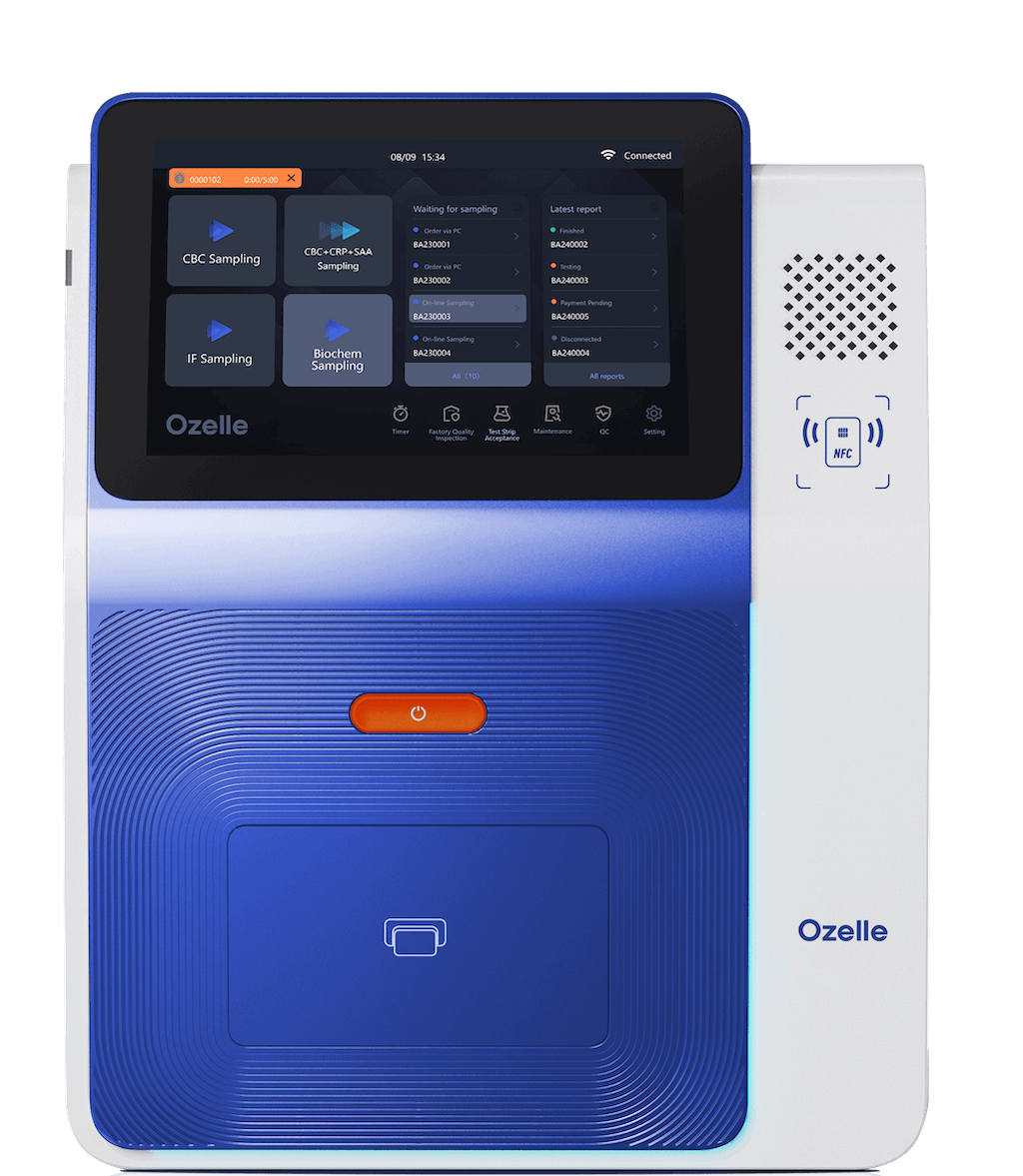
Recent innovations have produced integrated POCT platforms that consolidate multiple laboratory functions into single devices. The AI-powered mini-lab represents the current technological frontier, combining:
- Hematology (CBC with 37+ parameters and complete blood cell morphology)
- Immunoassay (fluorescence immunoassay detection of biomarkers including CRP, SAA, cardiac markers, thyroid function, hormone panels)
- Biochemical Analysis (dry chemistry methods for glucose, lipids, electrolytes, kidney and liver function)
- Urinalysis (automated particle detection including cells, casts, crystals, microorganisms)
- Fecal Analysis (primarily for veterinary applications)
These integrated platforms eliminate the need for separate hematology, chemistry, and immunoassay analyzers, recovering 60% of traditional laboratory equipment footprint while reducing staffing requirements and simplifying maintenance protocols.
Operational Advantages of Consolidated Platforms
Consolidation generates tangible operational benefits:
Reduced Capital Investment: Single device replaces 3-4 separate analyzers, reducing upfront equipment costs.
Simplified Supply Chain Management: Single-use cartridges containing all reagents eliminate complex reagent inventory management, cold-chain logistics, and reagent deterioration.
Lower Operating Costs: Maintenance-free operation eliminates daily calibration, quality control protocols, and servicing requirements that consume laboratory technician time.
Improved Clinical Workflow: Comprehensive multi-parameter analysis in a single run provides integrated clinical insight, enabling more sophisticated diagnostic reasoning than sequential testing modalities.
Cost Efficiency: Studies document 30-40% reduction in total operating costs when POCT consolidation eliminates reference laboratory send-outs and reduces laboratory staffing requirements.
Comparative Advantage: POCT Versus Traditional Laboratory Testing
The economic and clinical case for POCT adoption rests on several fundamental advantages over centralized laboratory models:
| Фактор | POCT Devices | Traditional Laboratory |
| Время выполнения заказа | 6-10 минут | 2-6 hours (or longer) |
| Sample Transportation | Немедленный анализ | Requires transport (time, cost) |
| Equipment Footprint | Compact (350-400mm width) | Large central facility required |
| Operator Training | Minimal (hours) | Extensive (weeks/months) |
| Требования к обслуживанию | Maintenance-free | Complex daily protocols |
| Reagent Storage | Room temperature | Cold chain required |
| Per-Test Cost | Lower consumable cost | Higher overhead allocation |
| Same-Day Decision-Making | Enabled | Requires follow-up visits |
| Patient Satisfaction | Higher (immediate results) | Lower (delayed results) |
| Infrastructure Requirements | Минимум | Significant |
This comparative profile explains POCT’s rapid adoption across diverse healthcare systems. The combination of rapid results, operational simplicity, lower infrastructure burden, and improved patient satisfaction creates compelling incentives for decentralization.
Overcoming Adoption Barriers: Implementation Considerations
Despite POCT’s evident advantages, successful deployment requires attention to several implementation domains:
Device Selection Criteria
Healthcare facilities must evaluate POCT platforms against facility-specific requirements:
- Volume Requirements: Clinic-based settings (5-10 patients daily) benefit from compact entry-level POCT devices, while hospital laboratories (100-500 samples daily) require higher-throughput platforms.
- Testing Scope: Primary care clinics may require comprehensive multi-functional integration, while emergency departments prioritize rapid hematology and critical care markers.
- Regulatory Certifications: Facilities should verify CE, ISO 13485, and relevant national regulatory certifications ensuring quality management compliance.
- Integration Capabilities: Laboratory information system (LIS) and hospital information system (HIS) connectivity enables automated result reporting and quality control tracking.
Quality Assurance and Proficiency Testing
Successful POCT programs require robust quality assurance frameworks:
- Operator Training and Competency: Even simplified devices require standardized training protocols ensuring consistent testing technique.
- Quality Control Programs: Regular QC testing with validated control materials maintains analytical reliability.
- Proficiency Testing: Participation in external proficiency testing programs validates accuracy across multiple testing episodes.
Data Management and Connectivity
Modern POCT devices increasingly integrate with smart IoT platforms enabling:
- Automated Result Reporting: Test results transmit directly to electronic medical records without manual transcription, reducing errors.
- Equipment and Consumables Tracking: Centralized systems monitor device inventory, consumable batch numbers, expiration dates, and serial numbers.
- AI-Powered Diagnostic Support: Advanced platforms provide AI-assisted clinical interpretation, offering probabilistic diagnoses and recommended clinical actions based on integrated test results and case-based reasoning.
The Smart IoT Platform: Beyond the Device
Contemporary POCT solutions extend far beyond individual devices to integrated digital ecosystems. Smart IoT platforms enable:
Operations Management: Centralized backend systems managing device data, clinic networks, testing volumes, and operational metrics across distributed POCT installations.
Remote Consultation: Telehealth integration enables clinical consultation with specialist physicians when local clinicians require expert guidance on complex cases.
Regional Health Analytics: When thousands of POCT devices operate across healthcare networks, they generate unprecedented regional epidemiological data enabling:
- Surveillance of infectious disease burden and transmission patterns
- Early detection of outbreaks before clinical presentation
- Assessment of antibiotic resistance patterns guiding stewardship initiatives
- Identification of underdiagnosed chronic diseases supporting prevention programs
Continuous Algorithm Refinement: Large-scale POCT deployment generates massive datasets enabling continuous machine learning model improvement, progressively enhancing diagnostic accuracy over time.
Market Projections and Growth Drivers: The Future of POCT
Growth Catalysts Accelerating POCT Expansion
Several secular trends will accelerate POCT adoption through the 2030s:
Aging Global Population: Rising prevalence of chronic diseases (diabetes, hypertension, cardiovascular disease) requires intensive monitoring and management. POCT enables frequent testing without centralized laboratory infrastructure burden.
Healthcare Worker Shortages: Laboratory technician shortages in developed nations create staffing bottlenecks at centralized facilities. POCT’s maintenance-free operation and minimal training requirements address labor constraints.
Infectious Disease Risk: Pandemic experience and ongoing emergence of novel pathogens demand rapid diagnostic capability at distributed healthcare touchpoints. POCT enables surge testing capacity without centralized facility expansion.
Chronic Disease Burden in Emerging Markets: Rapid urbanization and lifestyle changes in developing economies create surging demand for diagnostic services. POCT’s low infrastructure burden makes it ideal for resource-constrained healthcare systems.
AI Integration and Clinical Intelligence: Advancing artificial intelligence algorithms progressively enhance POCT diagnostic accuracy, enabling detection of rare conditions and subtle pathophysiology previously requiring expert pathologist review.
Projected Market Expansion by Segment
The POCT market is expected to exhibit heterogeneous growth:
- Pure POCT Segment (15-18% CAGR): Fastest growth among all analyzer categories
- Hospital Laboratory Systems (5-7% CAGR): Moderate growth driven by consolidation and automation
- Veterinary Diagnostics (8-11% CAGR): Rapid growth reflecting professionalization of veterinary medicine
- Pharmacy Testing (10-14% CAGR): Accelerating as regulatory frameworks expand
Conclusion: POCT as the Future of Diagnostic Medicine
Point-of-care testing represents a fundamental restructuring of diagnostic medicine infrastructure. By consolidating laboratory functions into accessible, operator-friendly devices deployable across diverse healthcare settings, POCT democratizes access to sophisticated diagnostic capability. The integration of artificial intelligence, multimodal imaging, and comprehensive testing panels transforms POCT from basic screening to reference-laboratory-equivalent sophistication.
The convergence of clinical, economic, and regulatory factors will continue driving POCT adoption through the 2030s. Healthcare facilities and diagnostics manufacturers that invest strategically in POCT capabilities—coupled with robust quality assurance and integrated digital platforms—will position themselves at the forefront of diagnostic medicine innovation.
For primary care clinicians, hospital laboratory directors, emergency medicine specialists, and healthcare administrators, the fundamental question is no longer whether to adopt POCT, but how to implement it strategically to optimize clinical outcomes, operational efficiency, and patient satisfaction. The evidence overwhelmingly demonstrates that point-of-care testing delivers superior results across all three dimensions—making it not merely a convenience, but an essential component of modern medical practice.
About Ozelle and AI-Powered POCT Solutions
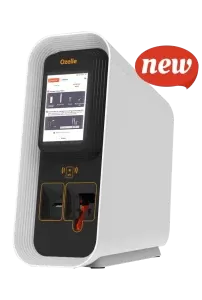
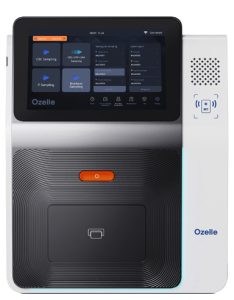
For healthcare facilities seeking to implement comprehensive POCT platforms, Ozelle’s AI-Powered Mini-Lab represents a comprehensive solution integrating hematology, immunoassay, biochemistry, and multi-system analysis capabilities. Founded in 2014 from a laboratory in Silicon Valley, Ozelle specializes in AI-powered diagnostic solutions combining complete blood morphology technology with machine learning algorithms trained on 40+ million clinical samples. The company’s POCT platforms deliver 6-minute turnaround times, maintenance-free operation, room-temperature storage, and integrated clinical decision support—exemplifying the technological capabilities reshaping point-of-care diagnostics globally.
Learn more about how AI-powered POCT platforms can transform diagnostic delivery at your healthcare facility by visiting Ozelle’s official website.