
 Español
  English
  Français
  Русский
  Deutsch
  Português
  العربية
  Italiano
In the rapidly evolving field of regenerative therapies, precision and consistency are everything. For a leading U.S. medical device company specializing in autologous platelet and stem cell concentration systems, platelet-rich plasma (PRP) therapy represents both a science and a promise — accelerating recovery by harnessing the body’s innate regenerative power. Yet its success hinges on one critical factor: accurately measuring platelet concentration at every stage of treatment.
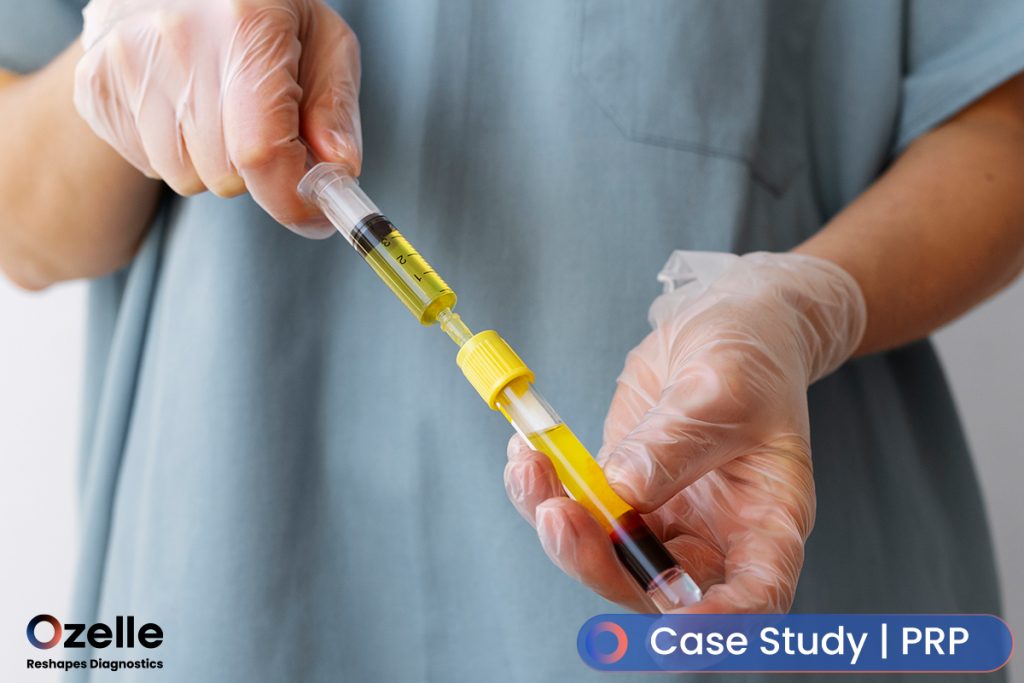
Ensuring Precise Platelet Dosing - Quality Control in Every PRP Session
To ensure quality control and consistency in PRP therapy, best practices recommend evaluating platelet concentrations before each injection.
This involves two key measurements:
- The patient’s baseline platelet count.
- The final platelet concentration in the prepared PRP product.
Comparing these two values allows clinicians to confirm that a therapeutic platelet dose has been achieved for effective tissue repair.
Traditional analyzers were difficult to maintain, required large workspace, and lacked the morphological detail needed for advanced research. The team needed a solution that could deliver reliable, repeatable platelet counts directly within their clinical network — fast, easy, and maintenance-free.
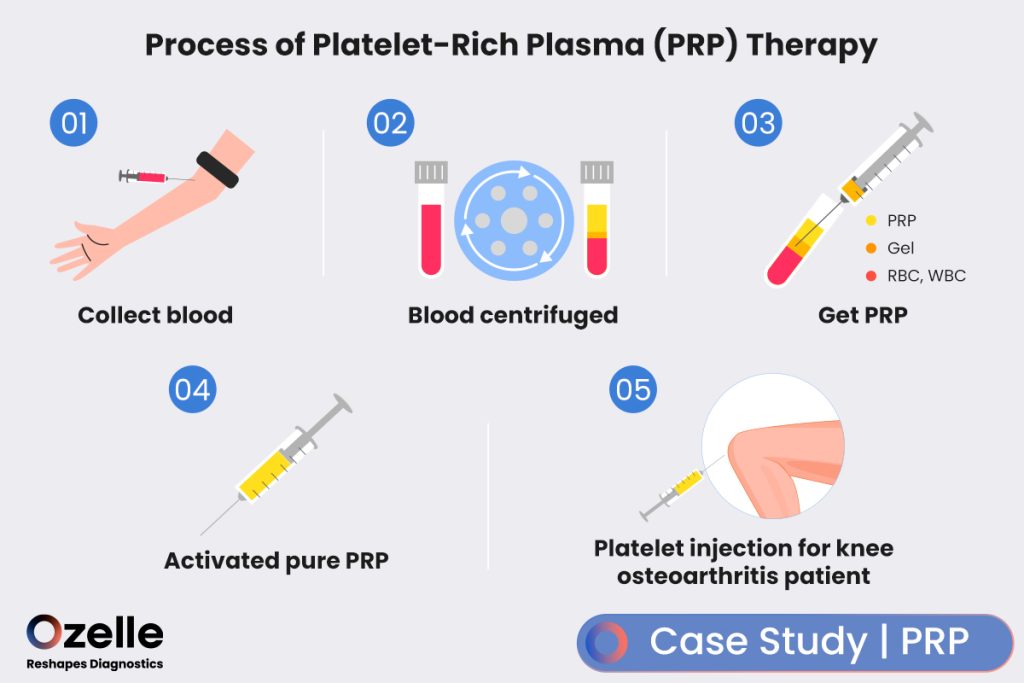
AI-Powered Hematology — Streamlined PRP Lab Workflows
The turning point came when the team discovered Ozelle’s EHBT-75 Hematology Analyzer. “For our PRP workflows, it was a perfect fit,” said a senior scientist from the U.S. team. “It’s small, intelligent, and doesn’t require daily maintenance — our clinicians can run it multiple times for each patient, every session, with complete confidence.”
Within days, their lab team ran validation tests and was impressed by how easily Ozelle’s device integrated into their existing software and quality systems. No complex installation, no months of calibration — just plug, test, and trust. By the end of that same month, the two companies were already discussing customization for an upcoming regenerative therapy program.
Compact Diagnostics Across Clinics - Flexible Solutions for Clinical Workflows
This partnership represents more than a single product — it marks a broader shift in how diagnostics empower regenerative therapies.
By embedding intelligent, compact analyzers into everyday clinical workflows, Ozelle helps regenerative technology leaders bridge the gap between R&D precision and real-world treatment consistency.
Beyond PRP, similar workflows can extend into stem cell preparation, sports medicine, wound healing, and other point-of-care regenerative applications — wherever blood morphology defines therapeutic success.
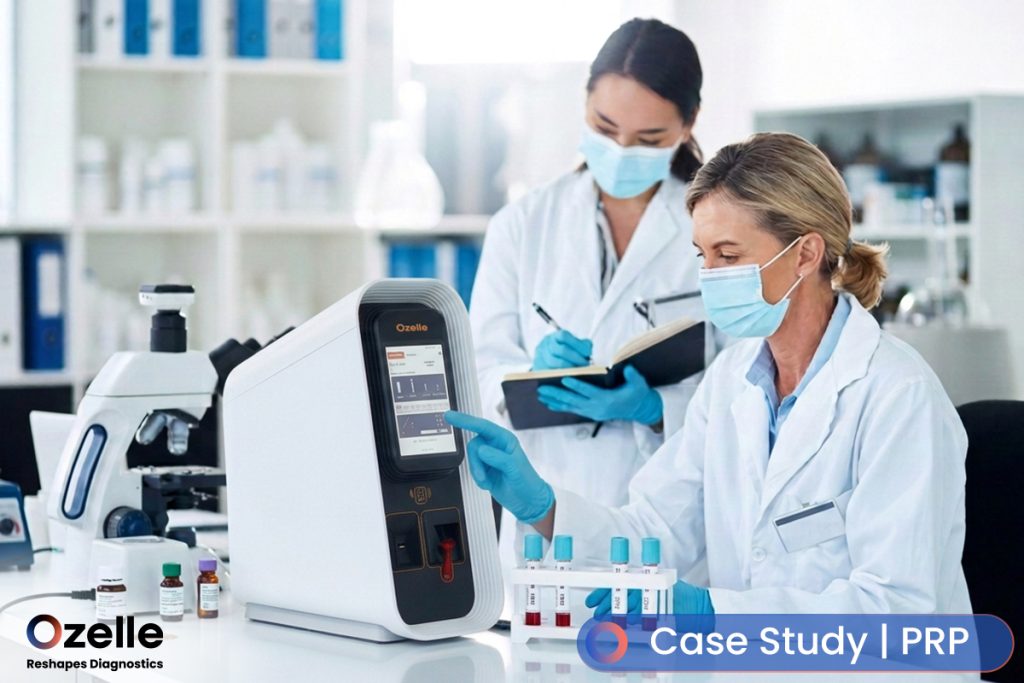
Why PRP Innovators Choose Ozelle - Smarter, Faster, and Ready for Every Lab
For many biotech innovators across the U.S., Ozelle represents a new kind of diagnostic partner — agile, intelligent, and deeply aligned with their needs.
- AI-Enhanced Insight: Beyond counts and ratios, Ozelle’s platform provides deep morphological analysis essential for blood and cell-based research.
- Always Ready, Zero Maintenance: One-click, fully automatic operation with single-use reagent kits, no sample pre-treatment, and room-temperature reagent storage.
- Compact Integration: Ideal for satellite labs, mobile clinics, and POC environments, bridging research and clinical practice.
- ODM Collaboration: From design customization to data system integration, Ozelle supports partners in creating solutions that fit seamlessly into their ecosystem.

Advancing Together — Transforming Clinical Workflows
This collaboration is more than just a supply agreement — it reflects a shared vision of bringing diagnostic intelligence closer to where therapies begin.
As regenerative therapies continue to expand across the U.S., many biotech and PRP companies face similar needs: advanced hematology or morphology analysis that complements their existing systems without requiring heavy infrastructure.
For them, this story is a signal — that the future of diagnostics lies in smart integration, open collaboration, and technology that empowers the next generation of clinical innovation.