
 Español
  English
  Français
  Русский
  Deutsch
  Português
  العربية
  Italiano
Las filtraciones de datos sanitarios costaron una media de $7,42 millones en 2025, y las de Estados Unidos una media de $10,22 millones, 67% más que la media mundial. Resulta alarmante que 1,2 millones de dispositivos sanitarios conectados a Internet sean de acceso público en línea, incluidos los sistemas de análisis de sangre. Muchas organizaciones sanitarias informan de que gestionan dispositivos IoT con vulnerabilidades conocidas.
Analizadores de hematología compactos se integran cada vez más con los sistemas de información de laboratorio (SIL), los sistemas de información hospitalaria (HIS) y las plataformas de telemedicina basadas en la nube, lo que crea nuevas superficies de ataque para los ciberdelincuentes. Los equipos de compras del sector sanitario se esfuerzan por evaluar las características de ciberseguridad a la hora de seleccionar los dispositivos médicos, mientras se intensifica la presión normativa a través de las actualizaciones de la HIPAA de 2025, las directrices de la Sección 524B de la FDA, la Ley de Ciberresiliencia de la UE y el cumplimiento de la Directiva NIS2.
A medida que los analizadores de hematología compactos evolucionan y se convierten en dispositivos de diagnóstico inteligentes y conectados, la ciberseguridad y la privacidad de los datos han pasado de ser características opcionales a criterios de decisión centrales para la adquisición. Este artículo ofrece a los directores de TI, responsables de cumplimiento y responsables de compras de los hospitales marcos prácticos para seleccionar, implementar y gestionar analizadores de diagnóstico conectados seguros.
LA CONVERGENCIA: POR QUÉ LOS ANALIZADORES HEMATOLÓGICOS COMPACTOS SON AHORA OBJETIVOS DE CIBERSEGURIDAD
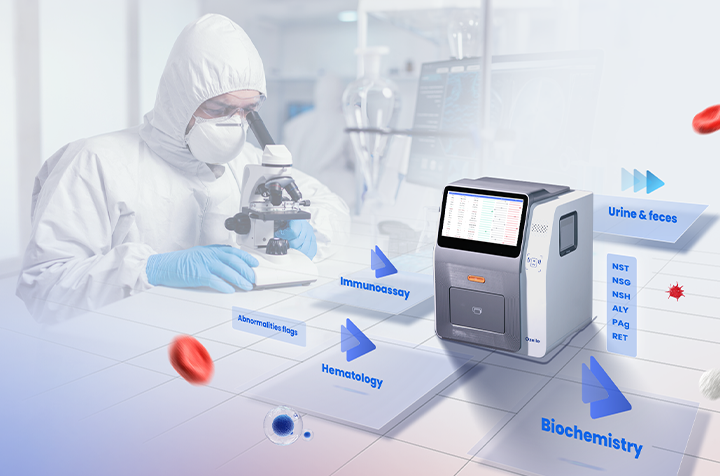
La transformación digital de los equipos de diagnóstico
Los analizadores autónomos tradicionales se han transformado en dispositivos IoT conectados que transmiten datos en tiempo real a plataformas EHR/LIS/nube. Los analizadores de hematología compactos modernos ofrecen funciones de monitorización remota y mantenimiento predictivo. Muchos analizadores modernos integran capacidades de red para la transmisión de datos y análisis opcionales basados en la nube.
La ampliación de la superficie de ataque
Las estadísticas son aleccionadoras: 93% de las organizaciones confirmaron KEV y conexiones a Internet inseguras para los dispositivos IoT. Aunque 75% de las organizaciones sanitarias aumentaron los presupuestos de seguridad de IoMT, solo 17% se sienten seguras detectando y conteniendo los ataques. Uno de cada cinco dispositivos médicos conectados funciona con sistemas operativos no compatibles; solo 13% admiten agentes de protección de puntos finales. Lo más alarmante es que 21% de los dispositivos médicos utilizan credenciales débiles o predeterminadas.
Consecuencias en el mundo real
Los analizadores conectados se enfrentan a múltiples vectores de amenaza. Las amenazas teóricas a la ciberseguridad, como el envenenamiento de datos, podrían comprometer la integridad del sistema. El ransomware -ejemplificado por el ataque a Ascension Health en mayo de 2024- tiene como objetivo los sistemas de diagnóstico como infraestructura crítica. En junio de 2025, una base de datos MongoDB mal configurada expuso 8 millones de registros de pacientes. Tiempo medio de permanencia de una brecha sanitaria: 279 días, lo que proporciona a los agresores meses para manipular los datos.
La seguridad del paciente, directamente en peligro
Las amenazas a la ciberseguridad podrían afectar a la disponibilidad o integridad del flujo de datos, lo que a su vez podría afectar a los flujos de trabajo clínicos, pero el impacto real en la precisión de los resultados analíticos requiere una investigación específica.
PANORAMA NORMATIVO: EL MANDATO DE CUMPLIMIENTO QUE RECONFIGURA LA CONTRATACIÓN PÚBLICA

Actualizaciones de la norma de seguridad HIPAA de 2025
La norma de seguridad de la HIPAA exige que las entidades cubiertas apliquen controles de acceso razonablemente adecuados (que a menudo incluyen la AMF basada en la evaluación de riesgos).
Se recomiendan pruebas de penetración y evaluaciones de vulnerabilidad periódicas como parte de un sólido programa de gestión de riesgos de seguridad según las directrices de la HIPAA. Las organizaciones sanitarias son responsables de probar los dispositivos que adquieren; los proveedores deben proporcionar documentación sobre las pruebas de penetración y los plazos de corrección de vulnerabilidades.
La Oficina de Derechos Civiles (OCR) del HHS espera la documentación completa de cumplimiento en un plazo de 10 días laborables a partir de la notificación. No documentar las actividades puede dar lugar a sanciones más severas. Los productos sanitarios se incluyen explícitamente en el ámbito de la evaluación de riesgos.
Guía de ciberseguridad de la FDA (Sección 524B)
Las directrices de ciberseguridad de la FDA fomentan la aplicación del SPDF y el modelado de amenazas como parte de las presentaciones previas a la comercialización.
Convergencia normativa internacional
La Ley de Ciberresiliencia de la UE impone requisitos obligatorios de ciberseguridad a los productos conectados. La Directiva NIS2 se dirige explícitamente a los fabricantes de productos sanitarios. La norma ISO 81001-5-1 armoniza ahora la evaluación de la ciberseguridad de los dispositivos en Japón, Singapur y la UE. Los requisitos de marcado CE incluyen ahora el cumplimiento de la Ley de IA para los sistemas de IA de alto riesgo.
De manera significativa, 73% de las organizaciones sanitarias afirman que las nuevas normativas de la FDA y la UE ya influyen en las decisiones de adquisición de dispositivos.
LA PILA DE LA CIBERSEGURIDAD: NORMAS TÉCNICAS PARA ANALIZADORES CONECTADOS
Estándares de integración de datos: HL7 v2 frente a FHIR
La versión 2 de HL7 representa el estándar heredado con mensajería basada en segmentos para la integración de HCE/LIS/RIS. Sin embargo, carece de seguridad moderna integrada y requiere capas adicionales de cifrado y validación.
HL7 FHIR representa el estándar moderno con arquitectura de API RESTful, autenticación OAuth2, intercambio de datos cifrados e interoperabilidad semántica integrada para soluciones de IA. La tendencia del sector muestra una aceleración de la adopción de FHIR para nuevas implementaciones de analizadores de hematología compactos.
Normas para dispositivos de punto de atención (IEEE 11073)
Este protocolo de comunicación normalizado admite la comunicación segura entre dispositivos y sistemas mediante una arquitectura orientada a objetos. La variante Service-Oriented Device Connectivity (SDC) permite la coordinación clínica en tiempo real.
Normas de cifrado y autenticación
La seguridad de la capa de transporte (TLS 1.2+) es obligatoria para la transmisión de ePHI según las normas del NIST. El cifrado de extremo a extremo protege los datos en reposo y en tránsito. El control de acceso basado en roles (RBAC) diferencia los niveles de acceso de los usuarios. La MFA es ahora obligatoria para el acceso remoto según los requisitos de la HIPAA de 2025. La seguridad de la API se basa en OAuth2/OpenID Connect para las integraciones de terceros.
MARCO DE EVALUACIÓN DE LA CONTRATACIÓN PÚBLICA: SELECCIÓN DE ANALIZADORES SEGUROS
Solicitud de propuesta (RFP) Requisitos de ciberseguridad
Las organizaciones sanitarias deberían exigir criterios explícitos de ciberseguridad: Cumplimiento de la norma ISO 81001-5-1 con documentación de modelado de amenazas, marcado 510(k) o CE de la FDA que incluya presentaciones previas a la comercialización sobre ciberseguridad, evaluación del cumplimiento de la norma de seguridad HIPAA y resultados de pruebas de penetración de evaluadores externos cualificados.
La documentación del Marco de Desarrollo Seguro de Software debe incluir controles de diseño que integren la seguridad desde el principio, modelos de amenazas que identifiquen los vectores de ataque, protocolos de pruebas de seguridad y procesos de gestión de vulnerabilidades.
La seguridad de la integración de datos debe especificar la metodología de integración LIS/HIS (HL7 v2 con cifrado TLS 1.2+ o API FHIR/REST modernas), la capacidad MFA para el acceso remoto, la documentación API que detalle la autenticación y la autorización, y los protocolos de seguridad de integración de terceros.
Matriz de evaluación de riesgos de proveedores
Crear marcos de puntuación ponderada asignando pesos porcentuales: Cumplimiento normativo (25%), Diseño seguro (20%), Integración de datos (20%), Gestión de parches (15%), Respuesta a incidentes (10%) y Soporte operativo (10%).
Acuerdos de nivel de servicio (SLA) con disposiciones de ciberseguridad
Los componentes críticos de los SLA incluyen plazos de respuesta a vulnerabilidades (30-90 días, basados en el riesgo), SLA de disponibilidad (99,5%+ de tiempo de actividad con exclusiones explícitas de incidentes de seguridad), acceso a soporte 24/7, notificación al proveedor en 24-72 horas desde el descubrimiento de la brecha, requisitos de seguro de responsabilidad cibernética y protocolos de devolución/eliminación de datos a la finalización del contrato.
DESPLIEGUE Y SEGURIDAD OPERATIVA
Arquitectura y segmentación de redes
Segregar los analizadores de hematología compactos en segmentos de red aislados, no en la WiFi general del hospital. Implemente una arquitectura de confianza cero que verifique todas las conexiones. Despliegue cortafuegos y detección de intrusos para la supervisión de la red. Utilice VPN/túneles seguros para el acceso de asistencia remota.
Aplicación del control de acceso
Los controles administrativos incluyen políticas de seguridad escritas, administradores de sistemas designados con formación en HIPAA y revisiones periódicas del acceso. Los controles físicos restringen el acceso mediante una colocación segura y precintos a prueba de manipulaciones. Los controles técnicos obligan a cambiar las credenciales por defecto, a diferenciar el acceso en función de las funciones, a llevar un registro de auditoría exhaustivo y a limitar el tiempo de espera de las sesiones (se recomiendan entre 15 y 30 minutos).
Supervisión continua y detección de amenazas
Realice un seguimiento de las versiones de software del analizador, el estado de los parches y los índices de error. Mantener registros detallados de los intentos de inicio de sesión, las autenticaciones fallidas y los cambios de configuración. Realizar análisis trimestrales de vulnerabilidad según los requisitos de la HIPAA de 2025. Supervisar patrones inusuales de transmisión de datos que indiquen una posible filtración.
ACUERDOS DE ASOCIACIÓN EMPRESARIAL Y RESPONSABILIDAD DE LOS PROVEEDORES
Si su proveedor de analizadores tiene acceso a la PHI, es obligatorio firmar un acuerdo de asociación empresarial (BAA). El BAA debe definir explícitamente el uso permitido, restringir la divulgación, imponer las salvaguardias de la norma de seguridad de la HIPAA, abordar los subprocesadores, conceder derechos de auditoría, establecer la notificación de infracciones en un plazo de 24 horas y especificar los protocolos de devolución/destrucción de datos.
El seguro de responsabilidad cibernética, las cláusulas de indemnización, las disposiciones de penalización por incumplimiento del SLA y la claridad sobre la responsabilidad de las sanciones de la OCR garantizan la responsabilidad financiera. Las auditorías anuales, las revisiones de divulgación de vulnerabilidades, las notificaciones de actualización normativa y el cumplimiento de la ciberseguridad como criterios de renovación mantienen el cumplimiento continuo.
ESTUDIOS DE CASO: IMPACTO EN EL MUNDO REAL
El ataque de ransomware a Ascension Health (mayo de 2024) interrumpió los sistemas de laboratorio en varios estados, suspendiendo las pruebas de diagnóstico. La configuración errónea de MongoDB en junio de 2025 expuso 8 millones de registros de pacientes. El ataque a Change Healthcare de febrero de 2024, aunque no fue específico de un dispositivo, interrumpió la facturación de los laboratorios en todo el país, lo que demuestra la existencia de riesgos de filtración en cascada en sistemas integrados.
PREPARARSE PARA EL FUTURO: AMENAZAS EMERGENTES
Las amenazas derivadas de la IA incluyen el envenenamiento de modelos que manipulan algoritmos de diagnóstico, los ataques de inferencia que aplican ingeniería inversa a algoritmos patentados y el envenenamiento de datos que corrompen los datos de formación. La evolución de la normativa hasta 2026 traerá consigo actualizaciones de las directrices sobre IA de la FDA, la ampliación de la norma de privacidad HIPAA y la armonización mundial/UE.
Las tendencias tecnológicas incluyen la adopción de la arquitectura de confianza cero, los módulos de seguridad de hardware para el almacenamiento de claves cifradas, los registros de auditoría basados en blockchain y el cifrado preparado para la cuántica. Las organizaciones sanitarias deben invertir en competencias de seguridad especializadas, realizar simulacros de respuesta a incidentes, mantener una capacidad de diagnóstico de copias de seguridad y considerar la consolidación de proveedores.
CONCLUSIÓN: GENERAR CONFIANZA EN LOS DIAGNÓSTICOS CONECTADOS
La ciberseguridad ya no es opcional: los mandatos normativos hacen que la seguridad sea un factor decisivo para acceder al mercado. La decisión de compra es fundamentalmente una decisión de seguridad. Evalúe a los proveedores con criterios claros: El cumplimiento de la norma ISO 81001-5-1, un modelo de amenazas documentado y unos acuerdos de nivel de servicio de seguridad explícitos distinguen a los proveedores seguros de los vulnerables.
La seguridad de la integración es fundamental, ya que la integración de LIS/HIS crea la mayor superficie de ataque. Asuma que se producirán violaciones; céntrese en la velocidad de detección y en la verificación de la integridad de los datos. La privacidad de los datos protege directamente la seguridad de los pacientes: a diferencia de otros sectores, los analizadores de diagnóstico comprometidos amenazan los resultados de los pacientes debido a los resultados falsos.
Para los equipos de compras: incluir las normas de ciberseguridad ISO 81001-5-1 y FDA en los requisitos de las RFP. Para los directores de TI: segmentar los analizadores conectados en redes aisladas; implantar una supervisión continua. Para los responsables de cumplimiento: incluir la ciberseguridad en las BAA; establecer calendarios de pruebas de penetración. Para los directivos: reconocer que la inversión en ciberseguridad protege la seguridad de los pacientes y la reputación reguladora.
El analizador hematológico compacto conectado representa el futuro del diagnóstico: rápido, accesible e inteligente. Solo cuando la seguridad se integra desde el diseño hasta la implantación, estos dispositivos pueden desarrollar todo su potencial sin exponer a los pacientes y las organizaciones a riesgos inaceptables.
Más información sobre soluciones seguras para dispositivos médicos: https://ozellemed.com/en/
Fuentes de referencia
| Tema | Enlaces oficiales del caso |
| Norma de seguridad de la HIPAA | https://www.hhs.gov/hipaa/for-professionals/security/index.html |
| Guía sobre ciberseguridad de la FDA | https://www.fda.gov/medical-devices/digital-health-center-excellence/medical-device-cybersecurity |
| IVDR (UE) | https://eur-lex.europa.eu/eli/reg/2017/746/oj |
| Ley de Ciberresiliencia de la UE | https://commission.europa.eu/plug-and-play-digital/secure/cyber-resilience-act_en |
| Directiva NIS2 | https://eur-lex.europa.eu/eli/dir/2022/2555/oj |
| Normas HL7 | https://www.hl7.org/implement/standards/ |
| Serie ISO 81001 | https://www.iso.org/standard/73040.html |
| Guía TLS del NIST | https://www.nist.gov/publications/digital-identity-guidelines |