Blogs

What Hematology Analyzer Importers Should Watch Ahead of MEDICA 2026

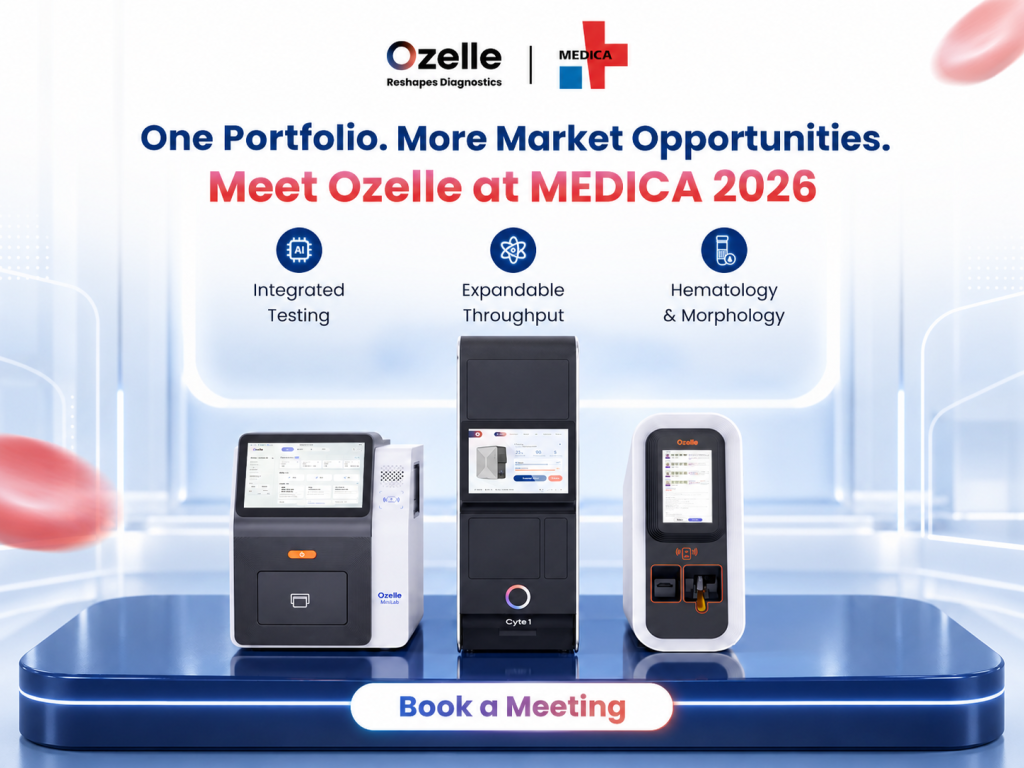
European laboratories operate across different healthcare settings, from compact clinic laboratories to hospital departments and regional diagnostic networks. Their hematology requirements vary in testing volume, reporting needs, automation, and service support. For importers and distribution partners, understanding these differences is essential when evaluating new analyzer technologies and supplier portfolios. Ahead of MEDICA 2026, three announced […]

What Hematology Analyzer Importers Should Watch Ahead of MEDICA 2026 Read More »
Point of Care CBC Machine: Matching Test Capabilities to Clinic Needs

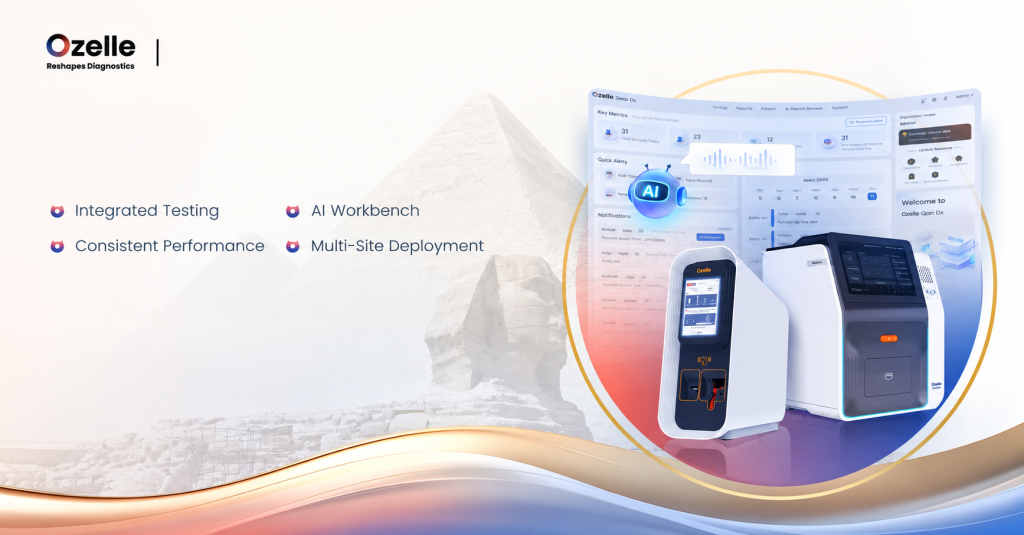
Choosing a point of care CBC machine starts with a practical question: what testing capabilities does the clinic actually need? Some facilities require routine CBC testing, while others may benefit from extended differential and morphology information or a broader menu combining hematology with selected chemistry and immunoassays. The right configuration depends on clinical requirements, testing

Point of Care CBC Machine: Matching Test Capabilities to Clinic Needs Read More »

How to Choose a POCT Device OEM Partner: Product Fit, Compliance, and Customization

Selecting a POCT device OEM partner involves more than matching an analyzer to a list of required tests. For diagnostic brands, importers, and regional partners, the first step is to define the intended application and the type of manufacturing relationship required—whether sourcing an existing platform, adapting a configuration, or developing a customized solution. These options

How to Choose a POCT Device OEM Partner: Product Fit, Compliance, and Customization Read More »

Veterinary Diagnostics in the Middle East: 3 Priorities for In-Clinic Testing

Bringing laboratory testing into a veterinary clinic involves more than selecting an instrument. The practical questions are which test results are needed during the consultation, which tests can be performed within the same workflow, and whether the equipment can be supported reliably after installation. A veterinary blood analyzer should be evaluated within that wider operating

Veterinary Diagnostics in the Middle East: 3 Priorities for In-Clinic Testing Read More »

dog blood testing device for pharmacy clinics

Dog Blood Testing Devices for Pharmacy Clinics: A Practical Buying Guide

As pet healthcare services expand, clinics serving pet owners need practical ways to support timely canine health assessments. For veterinary clinics and pharmacy-based facilities authorized to provide veterinary diagnostic services, an in-house dog blood testing device can help simplify selected testing workflows and reduce reliance on external laboratories. Choosing the right equipment requires more than

Dog Blood Testing Devices for Pharmacy Clinics: A Practical Buying Guide Read More »

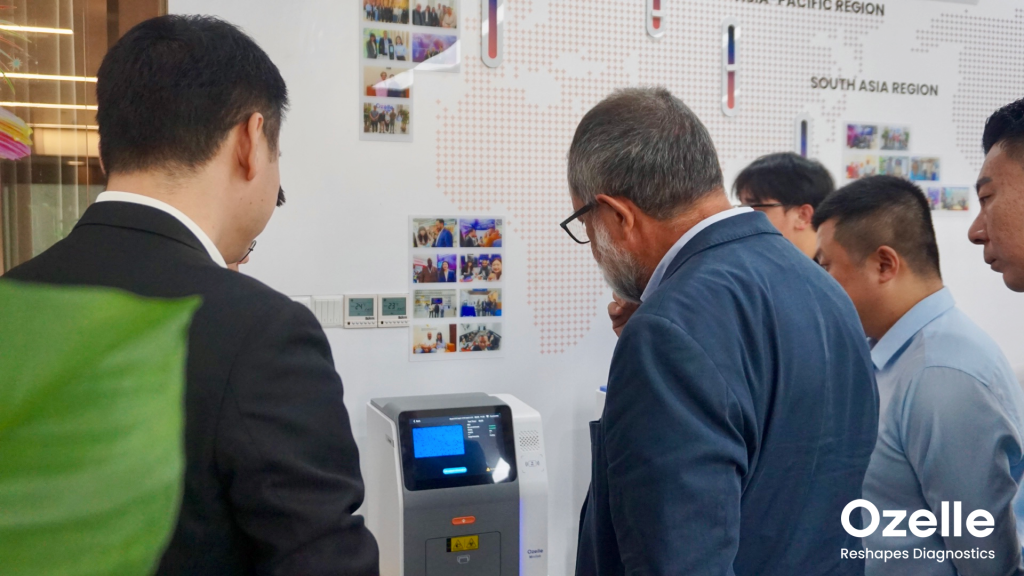
IFCC Secretary Prof. Sergio Bernardini Visits Ozelle 2026

Selecting a Blood Test Analyser: A Guide for Clinics and Laboratories

When clinic and laboratory buyers evaluate a blood test analyser, the decision usually involves more than selecting a test menu or comparing an initial quotation. The analyser needs to fit the tests performed each day, the information required from each sample, the way staff manage the workflow, and the resources available to operate and support

Selecting a Blood Test Analyser: A Guide for Clinics and Laboratories Read More »

AI-Assisted Morphology Analysis in Hematology: From Cell Images to Structured Hematology Review

AI-assisted morphology analysis combines image-based cell evaluation, automated image acquisition, algorithm-supported recognition, and structured result presentation in hematology workflows. It brings cell-level visual information into automated hematology testing alongside CBC parameters, leukocyte differentials, flags, histograms, and other analyzer outputs. In integrated image-based systems, this can bring cell-level visual information together with CBC parameters, leukocyte differentials,

AI-Assisted Morphology Analysis in Hematology: From Cell Images to Structured Hematology Review Read More »

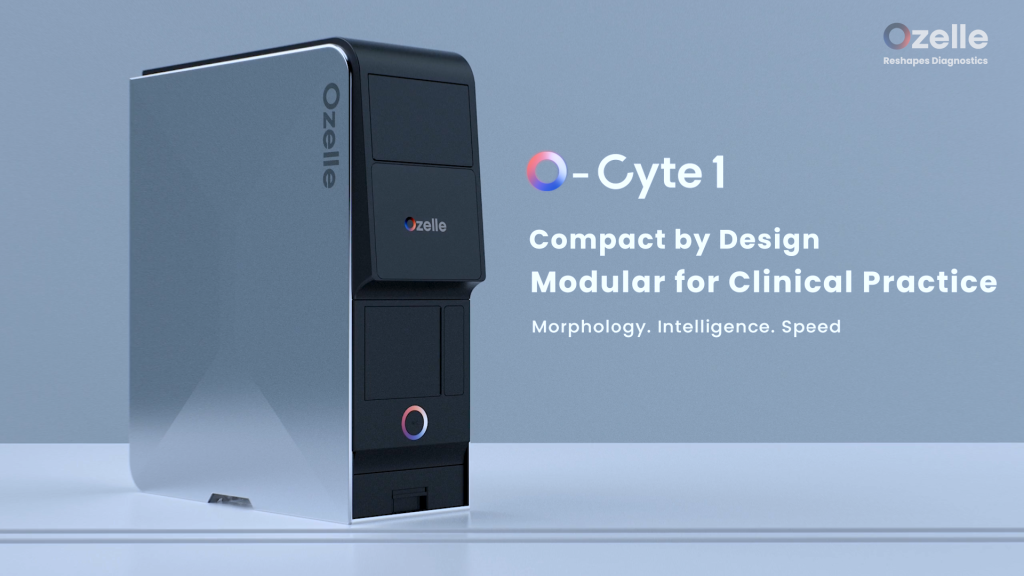
O-Cyte 1 vs. a Representative Standalone Automatic Hematology Analyzer: Workflow, Morphology, and Throughput

In a high-throughput automatic hematology laboratory, the first CBC result is only one part of the workflow. Laboratories also need to decide how differential information is reported, how flagged samples enter further review, when morphology-related information becomes available, and how the system will handle increasing sample volume. In a conventional standalone hematology workflow without integrated

O-Cyte 1 vs. a Representative Standalone Automatic Hematology Analyzer: Workflow, Morphology, and Throughput Read More »

O-Cyte 1 CBC Analyzer Price: What Makes It Worth the Investment?

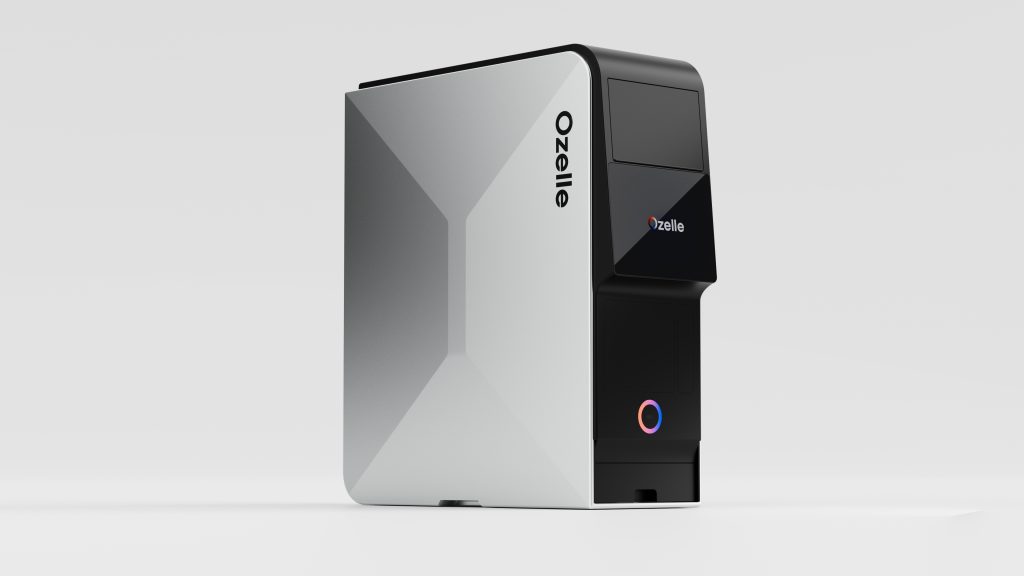
O-Cyte 1 is quoted according to market and configuration rather than presented with a single global public list price. A quotation can vary by market, analyzer configuration, standalone or cascaded deployment, accessories, consumables, service coverage, and local commercial terms. The more useful question is therefore not only the initial equipment price, but what is included

O-Cyte 1 CBC Analyzer Price: What Makes It Worth the Investment? Read More »

How to Choose CBC Machine Distributors for High-Throughput Hematology

Hospital laboratories, independent diagnostic laboratories, and centralized testing networks may face substantial CBC workflow pressure when morning outpatient collections, inpatient rounds, referral samples, and urgent requests arrive within the same limited time window. Average daily volume alone does not show whether a laboratory can manage these peaks, as delays may arise across sample receiving, barcode

How to Choose CBC Machine Distributors for High-Throughput Hematology Read More »

Login

Enter your email address and we'll send you a verification code to reset your password.

Scroll to Top
Info Us
Whats App