
 Deutsch
  English
  Français
  Русский
  Español
  Português
  العربية
  Italiano
Veterinärmedizinische Blutbildanalysatoren haben an Bedeutung gewonnen, da Tierkliniken immer mehr Untersuchungen intern durchführen und während des Patientenbesuchs schnellere Ergebnisse anstreben. Anstatt nur ein einfaches Blutbildgerät anzuschaffen, prüfen viele Kliniken nun, ob eine einzige Plattform Blutbild-, Immunoassay-, Urin- und Stuhluntersuchungen auf kompakter Fläche unterstützen kann, die sich in die täglichen Arbeitsabläufe einfügt.
Für Hersteller von Veterinärgeräten, Großhändler, Wiederverkäufer und andere Vertriebspartner ergibt sich daraus eine wertvolle Produktkategorie, die sowohl Einnahmen aus dem Geräteverkauf als auch eine kontinuierliche Nachfrage nach Verbrauchsmaterialien bietet. Ein System wie das EHVT-50 ist in diesem Zusammenhang von Bedeutung, da es 7-Diff-Hämatologie, Immunoassay, Urinanalyse und Kotanalyse für die Diagnostik bei Hunden und Katzen auf einer Plattform vereint.
Um zu verstehen, wie sich diese Art von Lösung in ein umfassenderes Angebot an veterinärmedizinischen Diagnostiklösungen einfügt, ist es sinnvoll, sich näher mit folgenden Aspekten zu befassen: Ozelle AI – Veterinärdiagnostik.
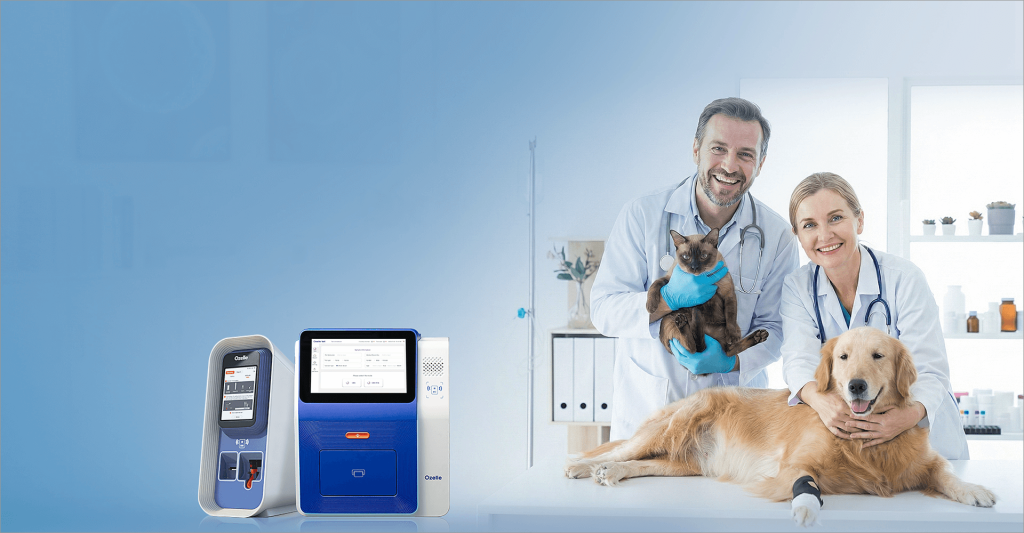
Warum sind CBC-Analysegeräte für die Tiermedizin gerade jetzt so wichtig?
In vielen Märkten für Haustiere werden immer mehr diagnostische Untersuchungen von externen Labors in die Tierarztpraxen verlagert, damit Tierärzte eine schnellere klinische Beurteilung ermöglichen und mehr Leistungen vor Ort anbieten können. Dieser Trend zeigt sich besonders deutlich in dichten Netzwerken von Kleintierpraxen, in denen Tierhalter zunehmend erwarten, dass sie bei häufig auftretenden Beschwerden wie Lethargie, Erbrechen, Durchfall, Anämie und Harnwegsproblemen noch während des ersten Besuchs eine Antwort erhalten.
Diese Entwicklung verändert die Erwartungen, die Tierarztpraxen und Tierkliniken an ein veterinärmedizinisches CBC-Analysegerät stellen. Praxen vergleichen die Geräte nicht mehr nur anhand ihrer Leistungsfähigkeit bei der Blutbildbestimmung, sondern berücksichtigen auch die Breite des Testspektrums, den Wartungsaufwand, die Personalschulung, die Konnektivität sowie die Frage, wie gut ein System einen modernen diagnostischen Arbeitsablauf in der Praxis unterstützt.
Was Tierkliniken von einem Veterinär-CBC-Analysegerät erwarten
Ein modernes veterinärmedizinisches Blutbildgerät wird in der Regel anhand mehrerer Anwendungsbereiche und nicht nur anhand einer einzigen Spezifikation bewertet. Deshalb ist die Produktpositionierung am erfolgreichsten, wenn sie die Funktionen mit dem klinischen Alltag in Verbindung bringt.
Wichtige Kaufkriterien
- Ein breiteres diagnostisches Spektrum. Viele Kliniken wünschen sich mehr als nur ein großes Blutbild und Thrombozytenzahlen; sie legen auch Wert darauf, Entzündungsmarker, Urinsediment und Stuhluntersuchungen innerhalb desselben Systems durchführen zu können.
- Artenbezogene Unterstützung. Untersuchungen an Hunden und Katzen sind nach wie vor die zentrale Anforderung in der Kleintierpraxis, und es wird erwartet, dass die Systeme artspezifische Arbeitsabläufe widerspiegeln.
- Einfache Bedienung. Touchscreen-Arbeitsabläufe, automatisierte Verarbeitung und weniger manuelle Schritte sind für stark ausgelastete Teams und wechselndes Personal von großer Bedeutung.
- Planbare Wartung. Kliniken bevorzugen Analysegeräte, die das Verstopfungsrisiko verringern, die Qualitätskontrolle vereinfachen und aufwendige tägliche Reinigungsarbeiten überflüssig machen.
- Datenverbindung. Die Unterstützung von LIS, LAN und USB ist wichtig, da Kliniken sich eine einfachere Verwaltung der Ergebnisse und eine Integration in bestehende Systeme wünschen.
Diese Kriterien erklären, warum KI-gestützte veterinärmedizinische Minilabore im Vergleich zu Einzweck-Analysegeräten zunehmend an Bedeutung gewinnen.
EHVT-50 als KI-gestütztes Mini-Labor für die Veterinärmedizin
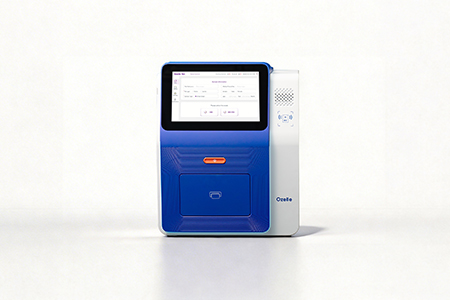
Bei der Bewertung des EHVT-50 geht es nicht nur darum, dass das Gerät Blutbilduntersuchungen durchführt. Viel aussagekräftiger ist, dass es Kliniken ein KI-gestütztes Minilabor bietet, das Hämatologie-, Immunoassay-, Urin- und Stuhluntersuchungen für Hunde und Katzen auf einer Plattform vereint. Dies erleichtert die Diskussion über Workflow-Effizienz, den Ausbau der hauseigenen Diagnostik und einen umfassenderen diagnostischen Nutzen, anstatt sich nur auf einfache Blutbilduntersuchungen zu konzentrieren.
Der EHVT-50 Hämatologie-Analysegerät für Tiere vereint diese Testmöglichkeiten in einem kompakten Format, das sich für Kliniken eignet, die eine umfassendere interne Diagnostik anstreben, ohne mehrere separate Systeme anschaffen zu müssen.
Wichtigste Funktionen
Das EHVT-50 vereint mehrere Diagnosebereiche in einem System für Hunde und Katzen.
| Modul | Was ist im Lieferumfang enthalten? |
| Hämatologie | 7-faches CBC mit vollständiger Blutmorphologie und 42 Parametern. |
| Immunoassay | cCRP, fSAA, cPL, fPL, cT4, fT4, cProg, cNT-proBNP. |
| Urinanalyse | 29 Parameter, die Abgüsse, Zellen, Kristalle, Mikroorganismen und damit zusammenhängende Elemente abdecken. |
| Analyse der Fäkalien | 29 Parameter, darunter Parasiteneier, Verdauungsmarker, Zellen, Mikroorganismen und Protozoen. |
In vielen Tierkliniken trägt diese kombinierte Lösung dazu bei, die Abhängigkeit von mehreren eigenständigen Analysegeräten und separaten Tischgeräten zu verringern. Sie macht zwar nicht jedes andere Gerät in jeder Einrichtung überflüssig, ermöglicht es jedoch, einen Großteil der Routineuntersuchungen auf einer Plattform zu bündeln und die Einarbeitung des klinischen Teams zu vereinfachen.
Technische Spezifikationen zur Unterstützung der Positionsbestimmung
Technische Daten sind nicht nur deshalb von Bedeutung, weil sie sich auf den klinischen Einsatz auswirken, sondern auch, weil sie die Installationsplanung, die Mitarbeiterschulung, die Logistik und den Kundendienst beeinflussen. Für Kliniken, die einen kompakten, multifunktionalen Veterinäranalysator suchen, um ihre hauseigenen Untersuchungen auszuweiten, ohne ein vollwertiges Labor einrichten zu müssen, sind einige Eigenschaften des EHVT-50 besonders relevant.
Kompakte Bauweise und Probenabdeckung
Das EHVT-50 hat Abmessungen von etwa 400 × 350 × 450 mm und ein Gewicht von rund 15 kg, sodass es auf einem vorhandenen Labortisch Platz findet und keinen eigenen Laborraum benötigt. Dadurch eignet es sich für Kliniken, die nur über begrenzten Platz verfügen, aber dennoch ein breites Spektrum an internen Untersuchungen anbieten möchten. Gleichzeitig verarbeitet das Analysegerät Blut-, Urin- und Stuhlproben, sodass Ärzte im täglichen Arbeitsablauf keine separaten Geräte für Hämatologie, Urinsediment und Stuhlmikroskopie verwalten müssen.
Integrierte Testmodule
Das Hämatologie-Modul bietet ein 7-teiliges großes Blutbild mit 42 Parametern zur vollständigen Blutmorphologie und liefert damit mehr Informationen als herkömmliche 3- oder 5-teilige Zähler, wenn Entzündungsmuster, Anämietypen oder Veränderungen der Thrombozyten eine eingehendere Auswertung erfordern. Die Urin- und Stuhlmodule bieten jeweils 29 Parameter, die Zylinder, Kristalle, Zellen, Mikroorganismen, Parasiten und Verdauungsmarker abdecken, die routinemäßig bei gastrointestinalen und urologischen Fällen relevant sind.
Konnektivität und Datenmanagement
Dank LIS-, USB- und LAN-Anschlussmöglichkeiten sowie einer Speicherkapazität für bis zu 10.000 Ergebnisse lässt sich das EHVT-50 problemlos in bestehende Informationssysteme integrieren und historische Daten für Nachuntersuchungen abrufen. Dies ist sowohl für Praxen mit einem Standort als auch für Praxisgruppen mit mehreren Standorten von Bedeutung, die auf einheitliche digitale Aufzeichnungen und eine zentralisierte Qualitätsüberwachung setzen.
Wartung und Qualitätskontrolle
Trocken-QC-Karten und die automatische Kalibrierung reduzieren den Zeitaufwand des Personals für routinemäßige Qualitätskontrollen, während das insgesamt wartungsarme Design einen zuverlässigen Betrieb in Kliniken gewährleistet, in denen Techniker und Pflegekräfte bereits zahlreiche Aufgaben bewältigen müssen. Dies hilft den Teams, das Analysegerät als Teil der täglichen Arbeitsabläufe im Betrieb zu halten, anstatt es als separates, zeitaufwändiges Gerät zu betrachten.
Insgesamt erklären diese Eigenschaften, warum sich das EHVT-50 gut in die Diskussion über kompakte, multifunktionale Veterinäranalysegeräte für Kliniken einfügt, die statt eines vollwertigen Zentrallabors ein praktisches hauseigenes “Minilabor” aufbauen möchten.
Wie lässt sich dieser Analysator auf dem Markt positionieren?
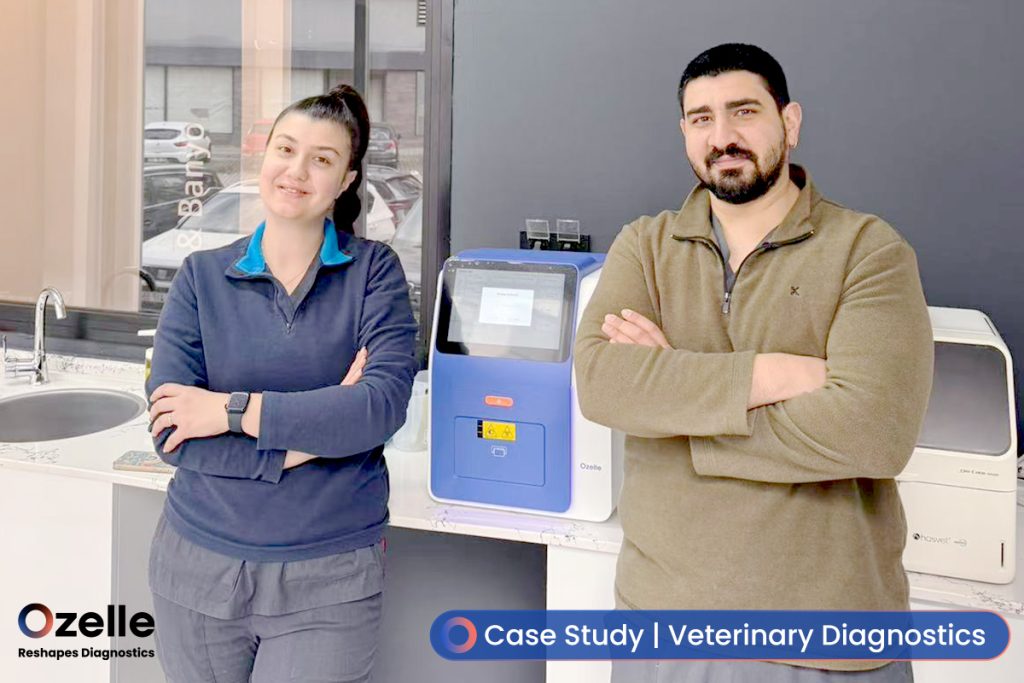
Bei einer optimalen Vermarktungsstrategie sollte ein veterinärmedizinisches Blutbildgerät in der Regel nicht nur als reine Hardware-Aufrüstung verkauft werden. Es ist sinnvoller, es als Möglichkeit für Tierarztpraxen zu präsentieren, ihre hauseigene Diagnostik zu erweitern, Arbeitsabläufe zu optimieren und eine gleichmäßigere Verfügbarkeit von Untersuchungen sowohl bei Routine- als auch bei Notfallfällen zu gewährleisten.
Wichtige Aspekte, die in Gesprächen mit Kliniken eine Rolle spielen
- Mehr Tests aus einem Arbeitsablauf heraus. Das große Blutbild (CBC), ausgewählte Immunoassays, die Urinsedimentuntersuchung und die Stuhlmikroskopie können auf derselben Plattform durchgeführt werden.
- Schnellere klinische Entscheidungen. Tests, die noch während des gleichen Arztbesuchs durchgeführt werden, ermöglichen eine schnellere Beurteilung häufiger Beschwerden wie Anämie, Erbrechen, Durchfall, Entzündungen und Harnwegsstörungen.
- Wartungsfreundlicher Aufbau. Einweg-Nassfärbekits, Trocken-QC-Karten und das wartungsarme Design tragen dazu bei, den täglichen Wartungsaufwand zu reduzieren.
- KI-gestützte Morphologie. Die vollständige Blutmorphologie hilft Ärzten dabei, abnormale Zellen zu untersuchen und Veränderungen im großen Blutbild in einem breiteren Kontext zu interpretieren.
Dieses Wertversprechen ist nicht nur für unabhängige Kliniken von Nutzen, sondern auch für Gruppen, Wiederverkäufer und Unternehmen im Gesundheitswesen, die ein stärker differenziertes Portfolio an veterinärmedizinischen Diagnostikprodukten aufbauen möchten.
Klinische Fallbeispiele
Vielbeschäftigte Tierklinik im Großraum Manchester
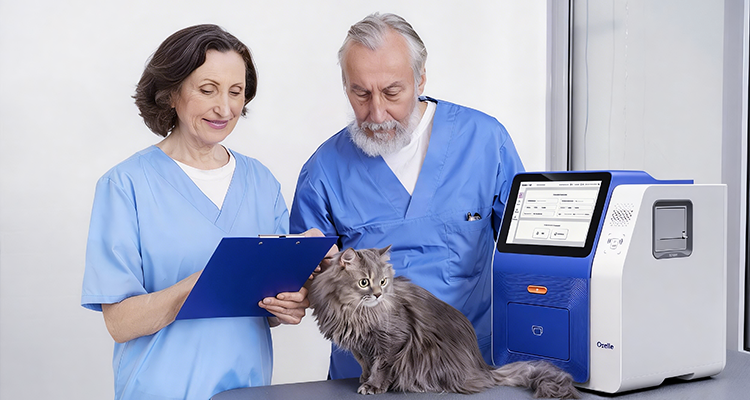
In einer stark frequentierten Kleintierklinik im Großraum Manchester behandelt das Team an einem Tag möglicherweise mehrere Hunde und Katzen mit vagen Symptomen wie Gewichtsverlust, Lethargie, Appetitlosigkeit, Erbrechen oder Durchfall. Zusätzlich zu diesen Routinefällen muss es sich auch um gelegentliche Notfälle kümmern, wie zum Beispiel einen zusammengebrochenen Hund mit blassen Schleimhäuten, Schwäche und Verdacht auf eine innere Erkrankung, der spät in der Nacht eingeliefert wird.
Mit einem EHVT-50 vor Ort kann der Tierarzt unmittelbar nach der Aufnahme des Tieres ein 7-diff-CBC mit vollständiger Blutmorphologie, Entzündungsmarkern und, falls angezeigt, eine Urinsediment- und Stuhlmikroskopie über dieselbe Plattform anordnen. Innerhalb einer einzigen Konsultation kann das Team von einem unspezifischen Beschwerdebild zu einer strukturierten Differentialdiagnose übergehen, die auf objektiven Befunden wie der Art der Anämie, dem Leukozytenbild, dem Thrombozytenstatus und Anzeichen einer Beteiligung des Magen-Darm-Trakts oder der Harnwege basiert.
Bei einem kollabierten Hund helfen schnelle Blutbild- und Thrombozytenparameter dabei, den Schweregrad der Anämie und das potenzielle Blutungsrisiko einzuschätzen, während cCRP oder fSAA die Beurteilung einer systemischen Entzündung unterstützen und Urin- oder Stuhlbefunde Begleiterkrankungen aufdecken können, die den Behandlungsplan beeinflussen könnten. Dies ermöglicht es dem Tierarzt, noch während desselben Termins schnell zu entscheiden, ob der Patient ambulant stabilisiert werden kann, sofort stationär aufgenommen und mit Sauerstoff versorgt werden muss oder zur Intensivbehandlung überwiesen werden sollte – ohne auf externe Laborberichte warten zu müssen.
FAQs
Warum setzen Kliniken zunehmend auf multifunktionale Veterinäranalysegeräte?
Viele Kliniken wünschen sich schnellere Ergebnisse während des Patientenbesuchs und ziehen es vor, routinemäßige Diagnostikmaßnahmen intern durchzuführen, anstatt jede Probe an ein externes Labor zu schicken. Multifunktionale Systeme unterstützen dieses Ziel, indem sie das große Blutbild (CBC) mit anderen relevanten Tests in einem Arbeitsablauf kombinieren.
Wodurch unterscheidet sich der EHVT-50 von einem einfachen CBC-Zähler?
Das EHVT-50 vereint ein 7-Differenz-Blutbild mit vollständiger Blutmorphologie, Immunoassays, Urin- und Stuhluntersuchungen für die Diagnostik bei Hunden und Katzen auf einer einzigen Plattform. Diese umfassenderen Funktionen bieten Tierarztpraxen mehr Flexibilität als ein Gerät, das ausschließlich auf die Blutbildbestimmung ausgerichtet ist.
Was sollten Tierarztpraxen und Tierkliniken beachten, bevor sie sich für ein veterinärmedizinisches CBC-Analysegerät entscheiden?
Zu den wichtigen Aspekten zählen die unterstützten Probenarten, die Breite des Testangebots, das Wartungsmodell, die Einfachheit der Arbeitsabläufe, die Konnektivität, der Durchsatz sowie die Frage, inwieweit das System zum Fallmix der Klinik passt. Diese Faktoren spielen in der täglichen Praxis oft eine größere Rolle als der isolierte Vergleich einzelner Spezifikationen.
Schlussfolgerung
Veterinärmedizinische CBC-Analysegeräte spielen eine immer zentralere Rolle in der modernen Diagnostik in Tierarztpraxen, da diese ein breiteres Spektrum an Untersuchungen, schnellere Entscheidungen und mehr Kontrolle über die Routineabläufe anstreben. KI-gestützte Systeme wie das EHVT-50 zeichnen sich dadurch aus, dass sie eine 7-Differenz-Hämatologie, Immunoassays, Urin- und Kotanalysen in einer kompakten Plattform vereinen, die speziell für den Einsatz bei Hunden und Katzen entwickelt wurde.
Für Unternehmen, die ein Portfolio im Bereich der Veterinärdiagnostik aufbauen oder weiterentwickeln, besteht die Chance nicht nur darin, ein weiteres Analysegerät anzubieten, sondern Tierkliniken mit einem umfassenderen Modell für die Laboruntersuchungen vor Ort zu unterstützen. Um herauszufinden, wie sich dieser Ansatz in Ihre Produktpalette oder Kundenstrategie einfügen könnte, sehen Sie sich die EHVT-50 – Veterinär-Hämatologie-Analysegerät und darüber hinaus Ozelle AI – Veterinärdiagnostik Angebot und ermitteln Sie anschließend, wo ein KI-basiertes Mini-Labor für die Tiermedizin in Ihrem Markt den größten Mehrwert bieten kann.