
 English
  Français
  Русский
  Español
  Deutsch
  Português
  العربية
  Italiano
CBC machine pricing in 2026 is no longer just a matter of buying a blood counter. For a procurement manager comparing options for a hospital, clinic, laboratory, or veterinary practice, the real question is which system can deliver reliable results, manageable operating costs, dependable compliance standards, and stronger in-house testing value over the next five to ten years.
That decision rarely comes down to hardware alone. It usually involves balancing test menu, workflow efficiency, maintenance burden, installation conditions, service support, and regulatory clearances and quality certifications such as CE marking, FDA clearance (where applicable), ISO 9001, and ISO 13485 when evaluating long-term suitability and supplier credibility. A practical starting point is the broader Ozelle diagnostics analyzer, followed by the product path that best matches the required workload and testing scope.

What Does a CBC Machine Really Cost in 2026?
A CBC machine should be evaluated by total cost of ownership, not by hardware price alone. The full investment usually includes the analyzer, consumables, quality control, training, connectivity, maintenance, and the operational effect of downtime or outsourced testing.
Ozelle product positioning by workflow type
Ozelle’s CBC lineup is easier to understand by workflow type than by a simple entry-mid-premium ladder.
| Model | Workflow position | Best-fit setting | Main functions and features |
| EHBT-25 | Compact routine CBC analyzer | Community clinics, GP practices, pharmacies, small labs, emergency and decentralized testing sites | 3-diff CBC, 21 parameters, AI-supported cell morphology, 4-step workflow, fingertip blood support, 40 μL sample volume, maintenance-free individual test kits, no cold-chain requirement, visual cell images, compact 8.1 kg form factor. |
| EHBT-50 | All-in-one human mini-lab | Private clinics, outpatient departments, small laboratories, decentralized sites that want CBC plus adjacent assays | 7-diff CBC, 42 parameters, AI cell morphology, reticulocyte and abnormal neutrophil-related parameters, immunoassay and dry chemistry integration, 6-minute results, capillary and venous blood support, disposable cartridge workflow, room-temperature consumables, 15 kg compact mini-lab design. |
| EHBT-75 | Standalone human CBC analyzer | Sites that want 7-diff CBC capability without the all-in-one menu structure of EHBT-50 | 7-diff auto hematology, 37 parameters, AI morphology for WBC/RBC/PLT review, abnormal cell flags such as NST, NSG, NSH and RET, high-resolution imaging, 6-minute testing, capillary and whole blood support, maintenance-free reagent card, compact 15 kg footprint. |
| EHVT-50 | All-in-one veterinary analyzer | Veterinary hospitals, companion animal clinics, veterinary lab networks | 7-diff veterinary CBC, urine analysis, fecal analysis, immunoassay, canine and feline support, 38 CBC parameters, visual morphology review, dry-type QC card, auto calibration, built-in printer, 8 tests/hour throughput, compact 15 kg analyzer. |
This structure makes product comparison much easier because each tier solves a different operational problem. EHBT-25 lowers the entry barrier for routine CBC, EHBT-50 reduces the need for multiple analyzers in human care, EHBT-75 adds deeper morphology and advanced hematology insight, and EHVT-50 expands veterinary practices from basic CBC into a fuller in-house diagnostic menu.
Cost drivers beyond the analyzer
The analyzer is only one part of the budget. Consumables, controls, operator training, software connectivity, and after-sales support all shape the real cost per reportable result over time.
Systems built around maintenance-free cartridges and room-temperature storage can reduce hidden costs tied to fluid management, cold-chain logistics, frequent servicing, and reagent waste. That matters even more in smaller clinics and satellite sites where technical support resources are limited.
Human and Veterinary Product Analysis
The right model depends less on brand category and more on clinical workload, test menu requirements, and how much testing should stay in-house. A small clinic may need simple and economical CBC access, while a larger site may benefit more from analyzer consolidation and higher diagnostic depth.
EHBT-25 for routine CBC access
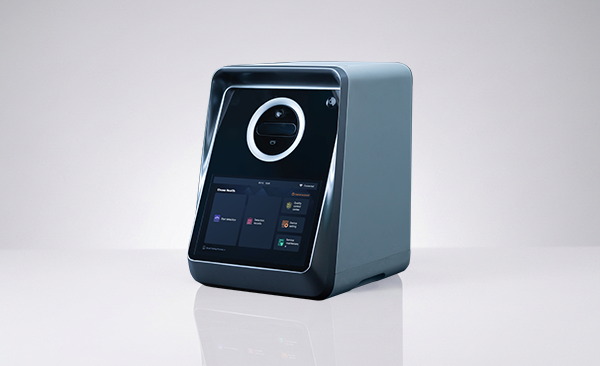
EHBT-25 is designed for fast, straightforward CBC testing in primary care and decentralized settings. Its strengths are simple operation, low sample volume, individual test kits, no wastewater handling, no cold-chain dependence, and visual image support that provides additional review context.
This makes it a strong fit for small medical sites that want to move routine CBC testing in-house without taking on the complexity of larger fluid-based analyzers. Teams evaluating smaller-scale human CBC setups can review the wider human hematology solutions range before comparing specific systems.
EHBT-50 for Multi-Scenario Point-of-Care Testing
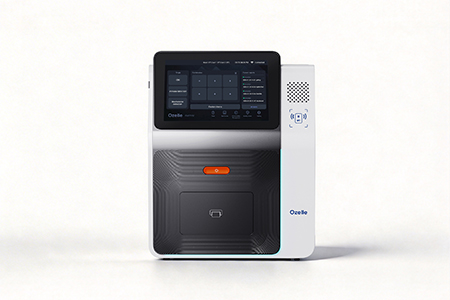
EHBT-50 is built for facilities that need more than a standalone hematology analyzer. It combines 7-diff CBC with immunoassay and dry chemistry capability in one compact analyzer, while also delivering visual morphology, automated sample handling, and long-shelf-life consumables stored at room temperature.
Its main advantage is consolidation. Instead of purchasing and servicing multiple separate devices, hospitals and laboratories can use the EHBT-50 analyzer to centralize routine CBC and selected adjacent assays on one instrument, which helps save bench space, simplify training, and reduce operational fragmentation.
EHBT-75 for advanced hematology
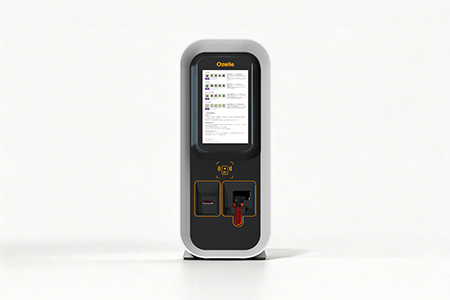
EHBT-75 is a dedicated human CBC analyzer for sites that want 7-diff CBC capability in a standalone format. It combines 7-diff CBC, high-resolution image-based morphology, automated processing, and expanded abnormal cell indicators such as immature and hypersegmented neutrophil-related parameters, along with reticulocyte analysis.
This model fits laboratories that need stronger morphology insight without stepping back into labor-intensive manual review. It is especially relevant when advanced cell classification, abnormal flagging, and faster review of morphology-related findings are part of the routine workload rather than occasional add-ons.
EHVT-50 for veterinary in-house expansion
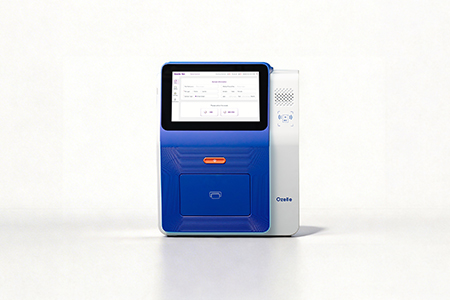
EHVT-50 is designed for veterinary practices that want to do more than run a CBC panel. In one compact analyzer, it combines 7-diff hematology with urine sediment analysis, fecal analysis, and immunoassay, with support for canine and feline testing and an expanding species roadmap.
That combination helps veterinary sites keep more diagnostics on-site and reduce dependence on multiple standalone instruments. Practices exploring integrated veterinary testing can review the veterinary hematology solutions section and then compare the workflow detail on the EHVT-50 analyzer page.
Why Choose Ozelle
A strong analyzer purchase is not only about test output. It also depends on whether the analyzer can support day-to-day workflow, reduce maintenance pressure, meet quality expectations, and come from a supplier with recognized international compliance standards.
Across the product range, the practical advantages are the combination of image-based AI morphology, compact hardware, and maintenance-free consumables in a workflow that is easier to deploy than many traditional reagent-heavy systems. Recognized certifications including CE, FDA, ISO 9001, and ISO 13485 also strengthen procurement confidence by showing that the brand has established quality and compliance foundations behind its products.
Key strengths across the lineup include:
- AI-supported cell morphology with visual images rather than count-only output.
- Maintenance-free or low-maintenance consumable design that reduces frequent cleaning and fluid handling.
- Compact footprints suited to hospitals, outpatient clinics, small labs, pharmacies, and veterinary sites.
- Room-temperature reagent or cartridge storage that simplifies transport and inventory management.
- Multi-functional expansion in EHBT-50 and EHVT-50, allowing one system to support more than hematology alone.
- International quality and compliance credentials that support procurement review, distributor cooperation, and cross-market deployment planning.
For human healthcare settings, this means a clearer route to efficient in-house CBC and adjacent testing. For veterinary sites, it means a stronger opportunity to increase same-visit diagnostics and revenue capture without adding a fragmented mix of separate analyzers.
Purchase Options and Pricing Models

The final quotation depends on more than model name alone. The most important variables are test volume, product configuration, service scope, installation needs, training depth, and whether the site requires additional connectivity or workflow customization.
Common buying structures include:
- Direct purchase with analyzer, installation, starter consumables, and baseline training bundled together.
- Multi-unit or group pricing for hospital groups, lab networks, or veterinary chains placing broader orders.
- Distributor-led regional supply models where local support, compliance, and logistics shape the final commercial package.
- Customized quotation based on additional modules, assay mix, IT integration, or after-sales service requirements.
Because the commercial fit depends on the intended workflow, the most useful next step is usually a tailored discussion rather than a generic inquiry. Procurement managers comparing deployment options are better served by contacting Ozelle through the contact page to get model-specific pricing, regional availability, and configuration recommendations.
What Affects the Final Quote?
The same analyzer can lead to very different quotations depending on how and where it will be used. Sample volume, menu requirements, installation environment, and support expectations all influence the final number.
The main pricing factors are:
- Monthly test volume and expected throughput.
- Whether the site needs hematology only or a broader multi-functional analyzer.
- Geographic market, delivery conditions, and local service coverage.
- Connectivity requirements such as LIS integration or digital workflow tools.
- Training, warranty, and technical support commitments after installation.
That is why the most meaningful comparison is not machine price alone, but the five-year cost of producing usable, reportable results under the site’s actual operating conditions.
ROI Examples After Purchase
Return on investment becomes visible after the analyzer is in daily use. The strongest gains usually come from bringing routine testing in-house, avoiding send-out delays, lowering maintenance burden, and capturing more value from each patient visit.
Human hospital ROI example
For smaller clinics, the ROI model is often easier to understand at the single-device level. A simple reference case can start with an equipment investment of 10,000 USD, a net profit of 1.5 USD per CBC test, 22 working days per month, and 264 working days per year.
Under that model, payback depends directly on how many CBC tests are completed each working day. At 20 CBC tests per day, annual gross profit from CBC testing would be about 7,920 USD; at 30 tests per day, about 11,880 USD; and at 40 tests per day, about 15,840 USD, which means the payback period can shorten significantly once routine testing volume is stable. Payback period varies depending on test volume, reimbursement structure, and local operating costs.
Veterinary clinic ROI example
A veterinary clinic or small animal hospital processing about 300 to 800 tests per month gains value differently. The return comes from combining CBC, urine, fecal, and immunoassay work on one analyzer, which supports more complete same-visit diagnostics and keeps routine cases inside the practice.
That model improves both workflow and revenue capture. Instead of treating the analyzer as a cost center, the clinic can use it as a broader in-house diagnostic analyzer that shortens decision time, increases test utilization, and reduces reliance on external labs.
Closing Perspective
A useful CBC price guide should do more than compare entry prices. It should help narrow the decision to the analyzer tier that best matches daily workload, test menu needs, space limitations, maintenance expectations, compliance requirements, and the financial value of bringing more diagnostics in-house.
For smaller medical sites, that may mean choosing a compact system that makes routine CBC testing simple and affordable. For hospitals, laboratories, and veterinary groups with broader service goals, the better choice may be a analyzer that supports analyzer consolidation, reduces outsourcing, and creates stronger long-term returns through faster turnaround and higher in-house test capture.
The strongest buying decisions usually come from matching the instrument not only to current needs, but also to the next stage of service growth. A clinic planning to expand into more in-house diagnostics, a hospital trying to streamline hematology workflow, or a veterinary network looking to standardize testing across sites will benefit more from a system that improves both operations and future scalability while also meeting internal review standards for certification, quality systems, and supplier reliability.
That is why the next step should be practical rather than theoretical. Start by reviewing the full Ozelle homepage to compare the overall diagnostic ecosystem, then move into the most relevant product path for your setting, and request a tailored quotation once the expected test volume, menu requirements, deployment model, and compliance expectations are clear.
FAQ
Which Ozelle CBC analyzer is the best fit for a first in-house deployment?
For a first in-house human CBC deployment, the best fit depends on whether the priority is simple routine CBC access or a broader all-in-one workflow. EHBT-25 is the better match for sites focused on compact, lower-complexity CBC testing, while EHBT-50 is more suitable when the facility also wants immunoassay and dry chemistry capability on the same platform.
How should CBC machine quotes be compared fairly?
The fairest comparison is to look beyond hardware price and calculate total cost of ownership across consumables, maintenance, training, connectivity, and expected test volume. That makes it easier to compare a lower-cost entry analyzer with a broader analyzer that may generate better long-term value through workflow savings and higher in-house utilization.
Can a multi-functional analyzer improve ROI faster than a CBC-only system?
In many settings, yes. A multi-functional analyzer can improve return by replacing separate instruments, reducing bench-space demands, lowering workflow complexity, and capturing more tests on-site during the same patient visit.
What information should be prepared before requesting a quote?
The most useful quote requests include monthly sample volume, target test menu, preferred sample type, installation environment, integration needs, and service expectations. Preparing those points in advance makes it easier to receive a configuration and pricing model that fits the real operating scenario rather than a generic device quotation.